The Rise of Mahishasura and the Crisis of the Gods
The legend of Durga and Mahishasura is one of the most powerful narratives in Hindu mythology, symbolizing the eternal victory of good over evil. Mahishasura was a mighty demon born with the ability to change his form, often appearing as a buffalo. Through intense penance, he pleased Lord Brahma and received a boon that no man or god could defeat him. Blinded by arrogance, Mahishasura believed himself invincible and began spreading terror across heaven and earth. Empowered by the boon, he attacked the celestial realm and defeated the gods, forcing them to flee from their own heavenly kingdom.
The defeated gods, including Indra, were devastated and humiliated. Mahishasura’s tyranny knew no limits as he disrupted sacred rituals and destroyed righteousness. The balance of the universe was shaken, and chaos reigned supreme under the demon’s cruel rule. The gods realized that no male deity could destroy him due to the boon he had received. In their despair, they turned to the supreme trinity—Brahma, Vishnu, and Shiva—for guidance and protection.
It was then that a divine solution emerged. From the combined anger and energy of the gods burst forth a radiant light. This light symbolized collective divine power uniting to restore cosmic balance. The energy took the magnificent form of Goddess Durga, a warrior goddess embodying strength, wisdom, and compassion. Her creation marked a turning point in the cosmic battle between dharma (righteousness) and adharma (evil). The rise of Durga was not merely a response to tyranny but a divine affirmation that injustice will always be challenged by higher power.
The Divine Creation of Goddess Durga
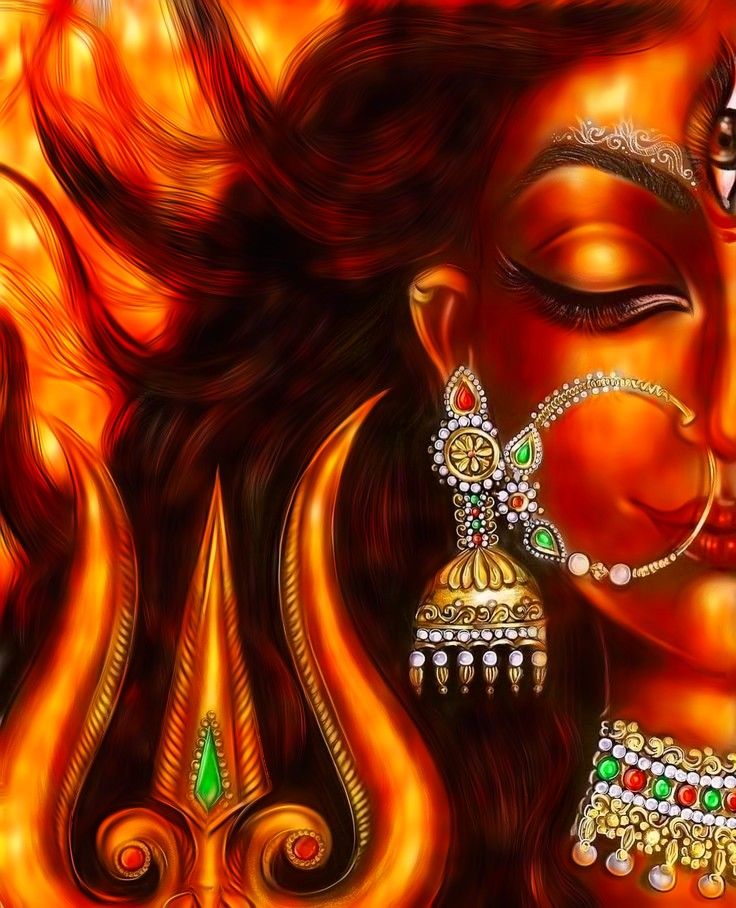
When the gods united their energies, their combined radiance formed Goddess Durga, resplendent and powerful. Each deity contributed their divine strength to her being. Lord Shiva gave her his trident, Vishnu offered his Sudarshan Chakra, and Indra presented his thunderbolt. Every weapon symbolized not only power but also the trust and faith of the gods in the feminine divine. Durga’s ten arms carried these celestial weapons, signifying her ability to protect from all directions. Her lion mount represented courage and determination.
Her beauty was dazzling, yet her presence was fierce and commanding. Durga embodied both nurturing motherhood and unstoppable warrior spirit. The gods bowed before her, recognizing her as the ultimate manifestation of Shakti—the primordial cosmic energy. The creation of Durga signifies a profound truth in Hindu philosophy: that the feminine principle holds immense transformative power. Without Shakti, even the gods are powerless.
This moment of divine creation carries symbolic depth. It teaches that unity among righteous forces generates unstoppable strength. Durga’s birth reminds humanity that collective positive energy can overcome even the darkest oppression. She was not born out of hatred but out of necessity to restore harmony. Her purpose was clear—to defeat Mahishasura and reestablish balance in the universe. Thus began one of the most legendary battles in mythological history.
The Epic Battle Between Durga and Mahishasura
When Mahishasura heard of Durga’s arrival, he underestimated her power, mocking the idea that a woman could challenge him. His arrogance blinded him to the divine strength standing before him. The battlefield trembled as Durga roared atop her lion, challenging the demon’s army. For nine days and nights, an intense battle unfolded between Durga and Mahishasura’s forces. The sky thundered with celestial weapons, and the earth shook with every strike.
Mahishasura constantly changed forms—from buffalo to lion to elephant—attempting to confuse and overpower the goddess. Yet Durga remained calm and focused. Her composure symbolized unwavering determination in the face of chaos. With precision and grace, she destroyed the demon’s generals and soldiers. The battle represented more than physical combat; it was a spiritual clash between ignorance and wisdom.
On the tenth day, Mahishasura returned to his buffalo form, charging fiercely at Durga. With immense strength, she pinned him down with her foot and struck him with her trident. This decisive moment marked the triumph of divine justice over unchecked ego. As Mahishasura fell, the heavens erupted in celebration. The tenth day, known as Vijayadashami or Dussehra, commemorates this victory. Durga earned the title “Mahishasura Mardini,” meaning the slayer of Mahishasura. Her victory became a timeless symbol of courage and righteousness.
The Symbolism and Spiritual Meaning of the Victory
The story of Durga defeating Mahishasura holds profound spiritual symbolism beyond its mythological narrative. Mahishasura represents ego, ignorance, and uncontrolled desire that can overpower the mind. Durga symbolizes inner strength, wisdom, and divine energy that can conquer negativity. The buffalo form of Mahishasura signifies stubbornness and brute force, traits that lead to downfall when unchecked.
Durga’s ten arms represent multifaceted abilities required to overcome life’s challenges. Her lion symbolizes courage, while her weapons represent discipline and spiritual tools. The battle reminds us that inner demons must be confronted with patience, focus, and faith. The nine days of Navratri celebrate different forms of Durga, honoring her power and grace. Devotees fast, pray, and perform rituals to invoke her blessings during this sacred period.
The tenth day, Vijayadashami, symbolizes victory not only in myth but in personal life. It teaches that no matter how powerful negativity seems, righteousness ultimately prevails. The immersion of Durga idols at the end of Navratri reflects the cyclical nature of life and the temporary manifestation of divine forms. The story encourages self-reflection and spiritual growth. Durga’s triumph inspires individuals to conquer fear, doubt, and injustice within themselves.
The Relevance of Durga’s Victory in Modern Times
In contemporary times, the story of Durga defeating Mahishasura continues to inspire millions. Festivals like Navratri and Durga Puja celebrate her victory with devotion and cultural vibrancy. Durga has become a symbol of women’s empowerment, representing strength, independence, and resilience. Her story reminds society that courage and determination can overcome oppression and injustice.
Durga’s narrative also emphasizes unity and collective strength. Just as the gods combined their energies, communities today unite to celebrate faith and culture. The legend encourages standing against wrongdoing with confidence and moral clarity. It teaches that power is not defined by gender but by inner strength and righteousness. In a world facing social and personal struggles, Durga’s example remains deeply relevant.
Her victory also serves as a spiritual metaphor for personal transformation. Each individual faces inner battles, and Durga’s story assures us that divine strength resides within. By embracing discipline, compassion, and courage, one can overcome life’s challenges. The story of Durga and Mahishasura is not just an ancient myth but an eternal message of hope and empowerment. It reminds humanity that when darkness rises, divine light emerges stronger than ever.
Conclusion: The Eternal Triumph of Divine Power
The story of Goddess Durga defeating Mahishasura is a timeless saga of courage, unity, and spiritual awakening. It reveals how divine energy rises to protect righteousness and restore harmony. Durga’s victory is a reminder that no force of evil can withstand the power of truth and faith. Her tale continues to inspire devotion, strength, and moral responsibility across generations.
As devotees celebrate her during Navratri and Vijayadashami, they honor not only a mythological event but a profound spiritual truth. The story teaches that inner strength, when awakened, can defeat even the mightiest obstacles. Durga’s triumph is eternal, echoing through time as a beacon of hope and divine justice.
Leave a Reply