Author: United Times

  • USA Shopping Guide: From Luxury Streets to Crazy Outlet Deals You Can’t Miss!

    USA Shopping Guide: From Luxury Streets to Crazy Outlet Deals You Can’t Miss!

    Introduction: The Ultimate Retail Adventure in the United States

    Shopping in the United States is not just an activity—it is an experience that blends luxury, variety, and unbeatable deals into one thrilling journey. From glamorous designer streets to massive outlet malls offering jaw-dropping discounts, the USA is a paradise for every kind of shopper. Whether you are chasing high-end fashion or hunting for budget-friendly bargains, the country offers something that feels both exciting and overwhelming in the best possible way.

    What makes shopping in the USA truly unique is its unmatched diversity. Each city brings its own style, personality, and shopping culture, creating a retail landscape that is as dynamic as the country itself. You can explore elite boutiques in one city and score unbelievable deals in another—all within the same trip.

    The scale of shopping destinations in the USA is simply mind-blowing. विशाल malls, iconic streets, and endless outlet centers redefine the meaning of retail therapy. Every destination is designed to provide not just products but memorable experiences.

    For tourists, shopping becomes a major highlight of visiting the USA. With tax benefits in some states, seasonal sales, and exclusive collections, it offers opportunities that are hard to find anywhere else in the world.


    Fifth Avenue: The Epitome of Luxury

    Fifth Avenue in New York City is synonymous with luxury and sophistication. It is one of the most famous shopping streets in the world, attracting fashion enthusiasts and celebrities alike. Walking down this iconic avenue feels like stepping into a world where elegance and exclusivity reign supreme.

    Luxury brands like Louis Vuitton, Tiffany & Co., and Gucci dominate the landscape, offering products that define style and status. Every storefront is designed to impress, creating an atmosphere that feels both glamorous and aspirational.

    Shopping on Fifth Avenue is not just about buying—it is about experiencing luxury. Personalized services, exclusive collections, and premium ambiance elevate the entire experience.

    Even window shopping here feels extraordinary. The stunning displays and iconic architecture make it a must-visit destination, even for those who are simply exploring.


    Rodeo Drive: Hollywood Glam Meets High Fashion

    Rodeo Drive in Beverly Hills is another legendary shopping destination that defines luxury in the USA. Known for its connection to Hollywood, it offers a shopping experience that feels straight out of a movie.

    This street is a hub for elite fashion brands. Stores like Chanel and Prada showcase their finest collections, attracting celebrities and high-profile shoppers.

    Rodeo Drive is all about exclusivity and glamour. The atmosphere is refined, the service is impeccable, and every detail reflects a high-end lifestyle.

    Walking here feels like entering a world of fame and fortune. It is not just a shopping destination—it is an experience that captures the essence of Hollywood luxury.


    Mall of America: The Giant of All Malls

    The Mall of America is one of the largest shopping centers in the world, offering an experience that goes far beyond traditional retail. Located in Minnesota, it is a destination that combines shopping, entertainment, and adventure.

    What makes this mall extraordinary is its विशाल size and variety. With hundreds of stores, it caters to every taste and budget, ensuring that visitors have endless options to explore.

    The mall also features unique attractions. From indoor theme parks to aquariums, it offers experiences that make shopping more exciting and engaging.

    It is a place where families, tourists, and shoppers all find something to enjoy. The combination of retail and entertainment makes it a must-visit destination.


    Woodbury Common Premium Outlets: The Deal Hunter’s Paradise

    For those who love discounts, Woodbury Common Premium Outlets is a dream come true. Located near New York City, it is one of the most popular outlet destinations in the USA.

    This outlet mall offers massive discounts on luxury brands. Shoppers can find products from top labels at significantly reduced prices, making it a hotspot for bargain hunters.

    The variety is impressive. From fashion and accessories to home goods, the outlet covers a wide range of categories.

    Shopping here feels like a treasure hunt. Every store offers deals that make the experience both exciting and rewarding.


    The Grove: Shopping Meets Entertainment

    The Grove in Los Angeles offers a unique shopping experience that combines retail with entertainment. It is a beautifully designed outdoor complex that attracts visitors with its charm and vibrancy.

    The atmosphere is lively and welcoming. With fountains, music, and street performances, it creates an environment that feels festive and enjoyable.

    The retail options are diverse. From popular brands to boutique stores, it caters to a wide audience.

    Dining and entertainment add to the appeal. Visitors can enjoy great food and live performances, making it more than just a shopping destination.


    Outlet Shopping Across the USA: Crazy Deals You Can’t Miss

    Outlet malls are a major highlight of shopping in the USA. They offer incredible discounts that attract both locals and tourists.

    What makes outlet shopping special is the value it provides. High-quality products are available at prices that are often significantly lower than retail stores.

    Seasonal sales make the deals even better. Events like Black Friday and holiday sales offer additional discounts, making it the best time to shop.

    Outlet malls are designed for convenience. With organized layouts and a wide range of stores, they provide a seamless shopping experience.


    Shopping Tips for Tourists

    Shopping in the USA can be overwhelming, but a few tips can make the experience smoother and more enjoyable.

    Planning ahead is essential. Knowing where to shop and what to buy can save time and money.

    Taking advantage of sales and discounts is crucial. Timing your visit during major sales events can lead to significant savings.

    Understanding tax policies can help you budget better. Some states offer tax-free shopping, which can be beneficial for tourists.


    Conclusion: A Shopper’s Dream Destination

    The United States offers a shopping experience that is both diverse and exciting. From the luxury of Fifth Avenue to the unbeatable deals of outlet malls, it provides something for everyone.

    What makes the USA unique is its ability to cater to all kinds of shoppers. Whether you are looking for high-end fashion or budget-friendly deals, you will find it here.

    Every shopping destination tells a different story. Each city and mall offers a unique experience that adds to the overall journey.

    In the end, shopping in the USA is not just about buying products—it is about creating memories. And that is what makes it a destination you simply cannot miss.

  • Malaysia’s Hidden Shopping Paradise: What Tourists Don’t Want You to Know!

    Malaysia’s Hidden Shopping Paradise: What Tourists Don’t Want You to Know!

    Introduction: The Secret Side of Malaysia’s Shopping Scene

    When people think of Malaysia, they imagine pristine beaches, tropical rainforests, and iconic skyscrapers like the Petronas Twin Towers. But beyond the postcards and Instagram reels lies a retail universe that many tourists barely scratch the surface of. Malaysia is not just a travel destination — it is a shopping powerhouse hiding in plain sight.

    From sprawling luxury malls to vibrant street markets, Malaysia offers an experience that blends culture, value, and variety. Yet, most visitors limit themselves to a few well-known spots, missing out on deeper treasures. What many tourists don’t realize is that Malaysia offers tax advantages, unbeatable bargains, and exclusive local brands that rival global fashion hubs.

    Shopping here is not merely transactional — it is immersive. You are stepping into a world where Malay batik fabrics sit next to Korean beauty products, and artisanal handicrafts share shelves with global designer labels. This diversity makes Malaysia a shopping paradise that caters to every budget and taste.

    In this detailed guide, we uncover what makes Malaysia’s shopping landscape so powerful, why it remains underrated globally, and what secrets seasoned travelers quietly keep to themselves.


    Kuala Lumpur: The Luxury Playground Few Fully Explore

    The capital city, Kuala Lumpur, is often the first stop for tourists. While many visit its iconic malls, few explore them strategically. Kuala Lumpur is home to some of Southeast Asia’s most impressive retail complexes, offering both high-end luxury and affordable fashion under one roof.

    Suria KLCC, Pavilion Kuala Lumpur, and Mid Valley Megamall are popular, but what most tourists don’t know is how to maximize value during mega sales seasons. Malaysia hosts massive annual sale festivals where discounts can reach up to 70 percent. Shopping during these periods can rival Dubai and Singapore in terms of savings.

    Luxury brands often price items more competitively here due to favorable tax policies. This means you could buy premium designer goods at significantly lower prices compared to Western markets.

    Beyond luxury, there are hidden outlets and factory stores just outside the city center. These places offer branded goods at clearance rates that seasoned shoppers quietly take advantage of. Knowing where to go can turn Kuala Lumpur into your personal fashion jackpot.


    Penang: Where Culture Meets Commerce

    Penang is known for food and heritage, but its shopping scene is equally compelling. George Town’s streets are lined with traditional shophouses selling handcrafted jewelry, antiques, and locally designed apparel. Here, shopping becomes a cultural journey rather than a mall experience.

    Unlike mass-produced souvenirs, Penang offers authentic artisanal products. Handmade batik prints, Peranakan crafts, and heritage snacks dominate the scene. These items carry cultural value that makes them far more meaningful than generic tourist trinkets.

    Night markets in Penang are another hidden gem. They operate with vibrant energy, offering everything from street fashion to electronic gadgets at negotiable prices. Bargaining is part of the culture, and confident negotiation can lead to unbelievable deals.

    Shopping in Penang blends history with affordability. It is where tradition and modern consumerism coexist beautifully, creating a unique retail adventure.


    Langkawi: The Duty-Free Secret

    If there is one place that tourists often underestimate, it is Langkawi. This island paradise is not just about beaches — it is a duty-free shopping haven. Langkawi’s tax-free status allows shoppers to purchase chocolates, alcohol, cosmetics, and kitchenware at dramatically reduced prices.

    Unlike airport duty-free stores, Langkawi offers these deals across multiple retail outlets throughout the island. This means you don’t have to wait until departure to save money.

    Imported chocolates and premium liquor brands are especially popular purchases. Many travelers stock up here before returning home. Savvy tourists know that buying in Langkawi can save them a significant amount compared to mainland prices.

    The island’s relaxed vibe also means less crowded shopping environments. You can browse leisurely without the overwhelming rush seen in major cities.


    Local Brands: The Hidden Champions

    While international brands dominate malls, Malaysia’s local designers and entrepreneurs are quietly building world-class labels. From modest fashion to streetwear, local brands offer high quality at reasonable prices. Supporting local brands not only saves money but also introduces you to unique styles unavailable elsewhere.

    Malaysian skincare and beauty products are gaining popularity across Asia. Many use tropical ingredients like pandan, coconut, and hibiscus. These natural-based products often outperform expensive global brands in terms of quality and price.

    Homegrown footwear and handbag labels also offer craftsmanship that rivals European brands. The secret is knowing which boutiques to explore beyond the flashy storefronts.

    Tourists who venture into lesser-known sections of malls often discover these hidden gems. This is where Malaysia’s shopping scene truly shines — originality at accessible prices.


    Night Markets: Bargain Hunter’s Paradise

    Malaysia’s night markets, or “pasar malam,” are where real shopping adventures begin. These markets operate weekly in different neighborhoods, offering clothes, gadgets, food, and accessories at unbeatable prices.

    Prices here are often far lower than mall rates, and negotiation can further reduce costs. Vendors expect bargaining, making it part of the fun.

    Beyond products, night markets offer cultural immersion. Street food aromas fill the air, and live music often adds to the atmosphere. Shopping becomes a sensory experience rather than a simple purchase.

    For tourists willing to step outside tourist-heavy zones, these markets provide authentic local interaction. They reveal Malaysia’s retail soul — lively, affordable, and community-driven.


    Electronics and Gadgets: Smart Buying Strategies

    Malaysia is also a strong destination for electronics. From smartphones to gaming consoles, prices are competitive compared to many Western countries.

    Authorized retailers often provide international warranties, ensuring safe purchases.

    Shopping malls like Low Yat Plaza in Kuala Lumpur are famous for tech deals. However, tourists must compare prices carefully. Smart shoppers research beforehand to avoid overpaying and maximize savings.

    Buying during promotional periods can yield exceptional discounts. Timing your purchase is just as important as choosing the right store.


    The Mega Sale Phenomenon

    Malaysia’s Mega Sale Carnival is one of the biggest retail events in the region. Held annually, it transforms the entire country into a discount zone.

    Massive markdowns across fashion, electronics, and lifestyle products create unmatched shopping excitement.

    Tourists who plan their trips around these sales can save significantly. Even luxury brands participate in promotional events. This is the insider secret that frequent visitors swear by.

    The energy during sale season is electric. Shopping malls extend hours, and promotional campaigns flood social media. It is retail therapy on a national scale.


    Conclusion: Why Malaysia Deserves the Crown

    Malaysia’s shopping landscape is diverse, affordable, and surprisingly sophisticated. From luxury malls to night markets and duty-free islands, the country offers retail experiences that rival global hubs.

    What tourists don’t always realize is that Malaysia rewards informed shoppers generously. Knowing where to go, when to shop, and what to buy makes all the difference.

    Beyond the discounts, shopping here reflects Malaysia’s multicultural identity. Every purchase tells a story — whether it’s handcrafted batik or cutting-edge electronics.

    Malaysia is not just a hidden shopping paradise — it is an underrated retail empire waiting to be fully explored.

    For those willing to dig deeper, the rewards are extraordinary

  • This Malaysian Market Will Make You Forget Every Mall You’ve Seen!

    This Malaysian Market Will Make You Forget Every Mall You’ve Seen!

    Introduction: Where Markets Beat Malls

    In a world dominated by air-conditioned shopping malls, polished floors, and global brand chains, there exists a completely different retail universe that feels more alive, more authentic, and infinitely more exciting. Welcome to Malaysia’s vibrant street market culture — a place where shopping is not just about buying things but about experiencing life itself.

    This Malaysian market is not just a place to shop — it’s an explosion of culture, flavor, energy, and human connection that no mall can replicate. While malls offer comfort and predictability, markets offer surprise, spontaneity, and soul.

    Imagine walking through rows of colorful stalls, hearing vendors call out deals, smelling freshly cooked street food, and discovering items you never knew you needed. This is where the real Malaysia exists — raw, unfiltered, and unforgettable.

    For travelers who seek more than just branded stores, this market becomes a revelation. It proves that sometimes the best shopping experiences are found not under chandeliers, but under open skies and glowing streetlights.


    The Heart of the Experience: Petaling Street Market, Kuala Lumpur

    At the center of this unforgettable experience lies Petaling Street Market, located in the heart of Chinatown in Kuala Lumpur.

    This market is a sensory overload in the best possible way — vibrant colors, bustling crowds, and endless rows of goods create an atmosphere that feels electric.

    Unlike malls that feel similar across countries, Petaling Street has its own identity. Here, tradition meets commerce in a way that feels deeply rooted in culture. Every stall tells a story, every vendor has a personality, and every purchase feels personal.

    The market operates both during the day and night, but it truly comes alive after sunset. Under glowing lanterns, the entire street transforms into a lively bazaar that feels almost magical.

    Walking through Petaling Street is not just shopping — it’s stepping into a living, breathing marketplace that refuses to be replaced by modern retail.


    What You’ll Find: A Treasure Trove of Everything

    One of the most exciting aspects of this market is the sheer variety of items available. From fashion and accessories to electronics and souvenirs, the options are endless.

    You can find trendy clothes, imitation designer bags, watches, sunglasses, and handcrafted items — all within a few steps.

    Unlike malls where everything is neatly categorized, this market thrives on chaos. That chaos is what makes it exciting — you never know what hidden gem you might stumble upon.

    There are also stalls selling traditional Malaysian items like batik fabrics and handmade crafts. These products carry cultural value, making them far more meaningful than mass-produced goods.

    For shoppers who love discovery, this market feels like a treasure hunt where every turn reveals something new and unexpected.


    The Art of Bargaining: Where Shopping Becomes a Game

    One thing that sets this market apart from malls is the art of bargaining. Prices are rarely fixed, and negotiation is expected.

    Bargaining is not just about saving money — it’s part of the experience, a playful interaction between buyer and seller.

    Vendors often quote higher prices initially, leaving room for negotiation. Confident shoppers who negotiate politely can often secure deals at half the original price.

    This interaction adds a human element to shopping that malls completely lack. You are not just a customer; you are part of a conversation, a moment, a cultural exchange.

    For many visitors, bargaining becomes one of the most memorable parts of their trip. It turns shopping into an engaging and rewarding experience rather than a routine transaction.


    Street Food: The Flavor That Completes the Experience

    No visit to this market is complete without indulging in its incredible street food. The aroma of freshly cooked dishes fills the air, drawing you toward countless food stalls.

    From sizzling noodles and satay skewers to fresh juices and desserts, the variety is both overwhelming and irresistible.

    Food here is not just delicious — it is authentic. These recipes have been passed down through generations, offering flavors that no restaurant chain can replicate.

    Eating at the market adds another layer to the experience. You are not just shopping; you are tasting the culture of Malaysia.

    For food lovers, this market becomes a paradise where every bite tells a story.


    Why It Beats Malls: The Emotional Difference

    Malls are designed for efficiency and comfort, but they often lack character. This market, on the other hand, is full of life and unpredictability.

    Here, every visit feels different — new stalls, new deals, new experiences.

    In malls, interactions are minimal and transactional. In this market, interactions are personal, lively, and memorable.

    The environment itself is dynamic. Music, chatter, and movement create an energy that cannot be replicated in a controlled indoor space.

    This is why many travelers leave feeling that this market experience is far more fulfilling than any mall visit.


    Hidden Tips Only Smart Travelers Know

    To truly enjoy this market, timing and strategy are key. Visiting in the evening provides the best atmosphere, while weekdays are less crowded.

    Carrying cash is essential, as many vendors do not accept cards.

    Dressing comfortably and staying alert helps you navigate the crowd easily. Being confident while bargaining increases your chances of getting better deals.

    Exploring side lanes often leads to discovering unique items at lower prices. These hidden corners are where the real treasures lie.

    Smart travelers know that the secret to enjoying this market is not rushing — it’s exploring, interacting, and soaking in every moment.


    Cultural Significance: More Than Just a Market

    This market is not just a shopping destination — it is a cultural landmark. It reflects Malaysia’s diversity, blending Chinese, Malay, and Indian influences.

    Every product, every dish, and every interaction carries a piece of Malaysia’s identity.

    Markets like this have existed for generations, long before modern malls were built. They represent tradition, community, and the spirit of local commerce.

    Visiting such a market is like stepping into history. It offers a glimpse into how people lived, traded, and connected long before digital shopping existed.

    This cultural depth makes the experience far more meaningful than a typical mall visit.


    Conclusion: A Shopping Experience You’ll Never Forget

    Petaling Street Market is more than just a place to buy things — it is an experience that stays with you long after you leave.

    It challenges the idea that malls are the ultimate shopping destinations and proves that authenticity always wins over artificial perfection.

    From bargaining and street food to cultural immersion and hidden treasures, this market offers something that malls simply cannot replicate.

    It is chaotic, colorful, and completely unforgettable — a place where shopping becomes an adventure rather than a chore.

    If you ever find yourself in Malaysia, skip the mall for a day and step into this vibrant world. You may just discover that this market is everything you never knew you were missing.

  • From Street Food Heaven to Island Beauty: Thailand Travel Guide 🇹🇭

    From Street Food Heaven to Island Beauty: Thailand Travel Guide 🇹🇭

    Thailand is a destination that effortlessly blends vibrant street life, rich cultural heritage, and breathtaking natural beauty. From the bustling markets of Bangkok to the serene beaches of Phuket, this Southeast Asian gem offers experiences that cater to every kind of traveler. Whether you’re a foodie, a culture enthusiast, or a beach lover, Thailand promises an unforgettable journey filled with flavors, colors, and adventures.


    Bangkok: The Beating Heart of Thailand

    Bangkok, the capital city, is a whirlwind of energy where modern skyscrapers stand beside ancient temples, and street vendors serve some of the world’s best food right on the sidewalks. The city is often the first stop for travelers, and it immediately immerses visitors in Thailand’s dynamic culture. From the golden spires of Grand Palace to the bustling lanes of Chatuchak Market, every corner tells a story.

    Walking through Bangkok feels like stepping into a living, breathing mosaic of tradition and innovation. The aroma of sizzling street food fills the air, while tuk-tuks zip through traffic, adding to the city’s charm. One of the most unforgettable aspects of Bangkok is its street food culture, where authenticity meets affordability. Vendors serve dishes like Pad Thai, Som Tam, and Mango Sticky Rice that rival those found in high-end restaurants.

    The city is also a hub for nightlife and shopping. From luxury malls like Siam Paragon to vibrant night markets, Bangkok caters to every budget. What makes Bangkok truly special is its ability to balance chaos with charm, offering travelers an experience that is both overwhelming and deeply rewarding. Whether you’re exploring temples or cruising along the Chao Phraya River, Bangkok leaves a lasting impression.


    Thai Street Food: A Culinary Paradise

    Thailand is often called the street food capital of the world, and for good reason. From roadside stalls to floating markets, food is an integral part of daily life here. Cities like Bangkok and Chiang Mai are famous for their vibrant food scenes, where every dish is packed with bold flavors and fresh ingredients.

    Street food in Thailand is not just about eating—it’s an experience. Watching vendors expertly prepare dishes right in front of you adds to the excitement. The balance of sweet, sour, spicy, and salty flavors is what makes Thai cuisine truly unique and unforgettable. Popular dishes include Tom Yum Soup, Green Curry, and Khao Pad, each offering a burst of flavor in every bite.

    Night markets are a must-visit for food lovers. These bustling hubs offer everything from grilled seafood to exotic fruits. One of the highlights of Thai street food is its accessibility—delicious meals are available at incredibly affordable prices, making it a paradise for budget travelers. Whether you’re trying spicy noodles or indulging in desserts, every bite tells a story of Thailand’s rich culinary heritage.


    Phuket: Island Luxury and Natural Beauty

    Phuket, Thailand’s largest island, is synonymous with luxury, relaxation, and stunning landscapes. Known for its pristine beaches and vibrant nightlife, Phuket attracts millions of visitors each year. Areas like Patong Beach are famous for their lively atmosphere, while quieter spots like Kata and Karon offer tranquility.

    The island is a perfect blend of natural beauty and modern amenities. Crystal-clear waters, white sandy beaches, and lush greenery create a picture-perfect setting. Phuket is not just about beaches—it’s also a gateway to nearby islands like Phi Phi, which are among the most beautiful in the world. Activities such as snorkeling, scuba diving, and island hopping make Phuket a haven for adventure seekers.

    Phuket also boasts a rich cultural side. The Old Town area features colorful Sino-Portuguese architecture and charming cafes. What makes Phuket truly unique is its ability to offer both relaxation and excitement, making it ideal for all types of travelers. Whether you’re lounging by the beach or exploring local markets, Phuket delivers an unforgettable experience.


    Chiang Mai: Culture, Mountains, and Serenity

    Nestled in the mountains of northern Thailand, Chiang Mai offers a completely different vibe compared to Bangkok and Phuket. Known for its temples, natural beauty, and laid-back atmosphere, Chiang Mai is a favorite among travelers seeking peace and cultural immersion.

    The city is home to over 300 temples, including the iconic Wat Phra That Doi Suthep, which offers breathtaking views of the city. Walking through Chiang Mai’s old town feels like stepping back in time, with ancient walls and moats adding to its charm. Chiang Mai is a place where tradition and tranquility come together, offering a deeply spiritual experience.

    Nature lovers will find plenty to explore in Chiang Mai. From trekking in the mountains to visiting elephant sanctuaries, the region offers unique experiences. The slower pace of life in Chiang Mai allows travelers to truly connect with nature and local culture. Whether you’re attending a traditional festival or enjoying a quiet evening at a local café, Chiang Mai provides a refreshing escape.


    Krabi & Phi Phi Islands: Nature at Its Best

    For those seeking breathtaking natural beauty, Krabi and the Phi Phi Islands are must-visit destinations. Known for their dramatic limestone cliffs, turquoise waters, and hidden lagoons, these locations are often considered some of the most beautiful in the world. The famous Phi Phi Islands gained global recognition after being featured in movies.

    Krabi offers a more relaxed atmosphere compared to Phuket, making it ideal for travelers looking to unwind. Railay Beach, accessible only by boat, is a highlight with its stunning scenery. The natural beauty of Krabi and Phi Phi is so surreal that it often feels like stepping into a postcard.

    Activities such as kayaking, rock climbing, and snorkeling are popular here. The clear waters and vibrant marine life make it a paradise for underwater exploration. What sets these destinations apart is their untouched beauty, offering a perfect escape from the hustle and bustle of city life. Whether you’re exploring caves or relaxing on the beach, Krabi and Phi Phi promise unforgettable memories.


    Thai Culture & Traditions: A Rich Heritage

    Thailand’s culture is deeply rooted in traditions, religion, and community values. Buddhism plays a significant role in daily life, influencing everything from architecture to festivals. Visitors often find themselves captivated by the country’s spiritual atmosphere and warm hospitality.

    Festivals like Songkran (Thai New Year) and Loy Krathong showcase the country’s vibrant traditions. These celebrations offer a unique opportunity to experience Thailand’s cultural richness firsthand. From water fights during Songkran to floating lanterns during Loy Krathong, each festival is a visual and emotional spectacle.

    Thai people are known for their friendliness and respect for traditions. The concept of “Sanuk” (fun) is central to Thai culture, emphasizing enjoyment in every aspect of life. Understanding and respecting local customs enhances the travel experience, allowing visitors to connect more deeply with the culture. Whether it’s greeting with a “wai” or visiting temples, every interaction adds to the journey.


    Travel Tips for Thailand

    Planning a trip to Thailand requires some preparation to make the most of your experience. The best time to visit is between November and February when the weather is cooler and more comfortable. However, each season offers its own unique charm.

    Transportation in Thailand is convenient and affordable. From tuk-tuks to domestic flights, getting around is relatively easy. One important tip is to always carry cash, as many street vendors and small shops do not accept cards. Bargaining is also common in markets, so don’t hesitate to negotiate prices.

    Safety and etiquette are also important. Dress modestly when visiting temples and always remove your shoes before entering. Respecting local customs and traditions ensures a smooth and enjoyable यात्रा experience. With proper planning, Thailand can be one of the most rewarding travel destinations in the world.


    Conclusion: A Journey Like No Other

    Thailand is more than just a travel destination—it’s an experience that stays with you long after your journey ends. From the vibrant streets of Bangkok to the serene beaches of Phuket and the cultural richness of Chiang Mai, every corner of Thailand offers something unique.

    What makes Thailand truly special is its diversity—where food, culture, and nature come together to create unforgettable memories. Whether you’re exploring bustling markets, relaxing on pristine beaches, or immersing yourself in local traditions, Thailand promises a journey filled with discovery and delight.

    If you’re looking for a destination that offers adventure, relaxation, and cultural depth all in one, Thailand should be at the top of your list. It’s not just a place you visit—it’s a place you feel, experience, and fall in love with.

  • Suhana Khan: The Untold Story Behind Bollywood’s Most Talked-About Star Kid

    Suhana Khan: The Untold Story Behind Bollywood’s Most Talked-About Star Kid


    Introduction: The Obsession Around Suhana Khan

    Bollywood has always been fascinated with star kids, but very few have generated the level of curiosity and anticipation that Suhana Khan has. Even before officially stepping into the industry, she was already trending across social media, featured in magazines, and followed by millions.

    As the daughter of Shah Rukh Khan and Gauri Khan, Suhana was born into a legacy that is almost impossible to match. But what truly sets her apart is her conscious effort to build her own path rather than simply inheriting fame.

    Her journey is not just about privilege—it’s about pressure, preparation, and proving herself in an unforgiving industry. In an era where audiences are quick to judge and social media amplifies every move, Suhana’s rise is both exciting and risky.

    Is she Bollywood’s next big superstar, or will she struggle under the weight of expectations? This question keeps fans, critics, and the media constantly engaged. And perhaps, that’s what makes her story so compelling—it’s still unfolding.


    Early Life & Family Background: Growing Up in the Shadow of Greatness

    Suhana Khan was born on May 22, 2000, in Mumbai, into one of the most powerful and influential families in Indian cinema. Her home, Mannat, is not just a residence—it’s a landmark visited by fans from all over the world.

    Growing up in such an environment meant that Suhana was exposed to fame, media attention, and public scrutiny from a very young age. While most children grow up away from the spotlight, Suhana grew up inside it. Every birthday, every appearance, every casual outing had the potential to become news.

    Her father, Shah Rukh Khan, is not just a superstar but a global icon, while her mother, Gauri Khan, has built her own successful career as a designer and entrepreneur. Together, they created a household that balanced glamour with discipline.

    Despite the luxury and fame, Suhana’s upbringing was rooted in values, education, and individuality. Her parents ensured that she understood the importance of hard work and self-reliance.

    Her bond with her siblings, Aryan Khan and AbRam Khan, has always been strong and supportive. This close-knit family dynamic played a crucial role in keeping her grounded despite the overwhelming attention.

    But make no mistake—being born into such a legacy is not just a privilege; it’s a constant challenge to live up to it.


    Education & Academic Journey: The Making of a Serious Actor

    One of the most underrated aspects of Suhana Khan’s journey is her educational background. Unlike the stereotype that star kids skip formal training, Suhana invested heavily in her education and skill development.

    She began her academic journey at the prestigious Dhirubhai Ambani International School in Mumbai. Known for its high standards and elite environment, the school played a significant role in shaping her early personality. She actively participated in sports, academics, and performing arts.

    Even during her school years, Suhana showed a strong inclination toward acting, often participating in stage performances and dramatics. These early experiences helped her overcome stage fear and develop confidence.

    Her next step took her to the UK, where she studied at Ardingly College. This phase was transformative. Living away from home gave her independence and exposure to a different culture. She became actively involved in theatre and performed in several productions.

    It was here that her passion for acting turned into a serious career goal. She began to understand the nuances of performance, character building, and storytelling.

    To further refine her skills, Suhana enrolled at the prestigious New York University Tisch School of the Arts. This institution is known for producing some of the finest talents in the entertainment industry.

    At NYU, she studied acting, filmmaking, and storytelling techniques. She worked on student films, participated in workshops, and gained hands-on experience in front of and behind the camera.

    This phase marked her transformation from a celebrity child into a trained artist ready to face the real world of cinema.

    Her educational journey proves one important point—Suhana Khan didn’t just inherit a dream; she worked to deserve it.


    Passion for Acting: More Than Just a Famous Surname

    For Suhana Khan, acting is not just a career choice—it’s a passion that has been nurtured over years. From school plays to college theatre, she consistently explored her love for performance.

    She didn’t jump into films immediately despite having opportunities. Instead, she chose to learn, experiment, and grow. This patience reflects her commitment to mastering the craft rather than chasing quick fame.

    Her performances in theatre were widely appreciated, with many noting her natural screen presence and emotional depth. Acting became her medium of expression—a way to tell stories and connect with audiences.

    Unlike many who enter Bollywood for glamour, Suhana’s approach to acting is rooted in creativity and storytelling.

    This passion is what gives her an edge. Because in an industry where competition is fierce, talent backed by genuine passion always stands out.


    Bollywood Debut: The Archies & The Pressure of Expectations

    Suhana Khan’s debut with The Archies, directed by Zoya Akhtar, was one of the most anticipated launches in recent Bollywood history.

    The film, inspired by the popular Archie Comics, introduced her as Veronica Lodge—a character known for her confidence and charm. The announcement itself created a massive buzz across social media platforms.

    But with hype comes pressure—and Suhana faced it at an unprecedented level. Every frame, every dialogue, every expression was analyzed and debated online.

    While the film received mixed reactions, Suhana’s screen presence was widely noticed. She demonstrated confidence, elegance, and a willingness to learn.

    Her debut was not perfect—but it was powerful enough to announce her arrival.

    And in Bollywood, sometimes that’s all it takes—to be noticed, to be remembered, and to promise more.


    Fashion & Glam Game: The Rise of a Style Icon

    Suhana Khan is not just an aspiring actress—she is already a fashion phenomenon. Her style is a perfect mix of modern trends and timeless elegance.

    From red carpet events to casual outings, she consistently delivers looks that capture attention. Her fashion choices reflect confidence, individuality, and a strong sense of identity.

    She has been featured in top magazines and associated with luxury brands, establishing herself as a trendsetter for Gen-Z.

    In today’s visual-driven world, style is a powerful tool—and Suhana Khan knows exactly how to use it.

    Personal Life: Beyond Fame & Cameras

    Behind the glamour, Suhana Khan is also a young woman with simple joys and personal passions. She enjoys traveling, dancing, and spending time with her family and friends.

    Her close bond with her parents and siblings keeps her grounded despite the chaos of fame. This balance between personal life and public image is what makes her relatable to fans.

    She also focuses on fitness and self-care, maintaining a healthy lifestyle. These small aspects of her life reveal a side that goes beyond the celebrity persona.

    Because at the end of the day—Suhana Khan is not just a star; she’s a person navigating fame, dreams, and expectations all at once.

    Suhana Khan’s Cars, Homes & Royal Lifestyle

    When your father is none other than Shah Rukh Khan, luxury isn’t just a lifestyle—it’s a legacy. Suhana Khan grew up in one of India’s most iconic residences, Mannat, located in Mumbai’s Bandra. This sea-facing mansion isn’t just a home; it’s a symbol of Bollywood royalty, attracting fans from all over the country who gather outside just to catch a glimpse.

    Mannat is not just a bungalow—it is a dream turned into reality, representing power, success, and global stardom. Every corner of the house reflects elegance, from grand chandeliers to artistic interiors designed by her mother, Gauri Khan. The house blends modern luxury with royal aesthetics, making it one of the most talked-about celebrity homes in India.

    During her education in New York, Suhana also lived in a luxury apartment in Manhattan, giving her a taste of independent living in one of the world’s most expensive cities. This dual lifestyle—Mumbai royalty and New York independence—shaped her personality into a perfect blend of tradition and modernity.

    Rumors and reports often suggest that the Khan family also owns multiple international properties, reflecting their global status. Suhana’s exposure to such luxurious environments from a young age has naturally influenced her taste, lifestyle, and public image.


    From Glam to Speed: Suhana Khan’s Stylish Car Collection

    While Suhana Khan is still building her own empire, she already enjoys access to a fleet of ultra-luxurious cars owned by the Khan family. These include high-end brands like BMW, Audi, and other premium vehicles often spotted outside Mannat.

    Luxury cars in Suhana’s life are not just about transportation—they symbolize status, power, and an elite lifestyle. She is frequently seen stepping out of stylish vehicles during public appearances, instantly grabbing paparazzi attention.

    Being part of one of Bollywood’s richest families, Suhana has grown up surrounded by some of the finest automobiles in India. This exposure has naturally cultivated her taste for sophistication, speed, and comfort.

    Although she has not officially showcased a personal car collection yet, it is widely expected that as her career grows, she will soon own signature luxury vehicles that reflect her personality. And knowing the Khan legacy, her future garage will likely be nothing short of extraordinary.


    A Lifestyle That Screams Royalty

    Suhana Khan’s life is a perfect example of modern celebrity luxury blended with grounded upbringing. From attending elite schools abroad to living in multi-crore properties and traveling in premium cars, her life is nothing less than aspirational.

    Her lifestyle is not just inherited—it is evolving into something uniquely hers. With her Bollywood debut and growing influence, she is gradually stepping out of her father’s shadow and building her own identity.

    Whether it’s her fashion, her homes, or her luxurious surroundings, everything about Suhana reflects next-generation stardom. She represents the future of Bollywood where legacy meets individuality.


    Social Media Power: Building a Digital Empire

    Suhana Khan’s social media presence is a major factor in her popularity. With millions of followers, she has built a strong digital identity that keeps fans engaged.

    Her posts often go viral, generating conversations and trends. She understands the importance of staying connected with her audience in a digital-first world.

    Her content is a mix of glamour, authenticity, and relatability.

    This balance makes her not just a celebrity, but a digital influencer shaping youth culture.


    Nepotism Debate: Privilege vs Talent

    The nepotism debate is an unavoidable part of Suhana Khan’s journey. Being a star kid comes with access—but also intense criticism.

    Many question her opportunities, while others believe she deserves a fair chance. This dual perception makes her journey more challenging than it appears.

    However, Suhana has chosen to focus on her work rather than engage in controversies.

    Her goal is clear—to prove that talent, not just background, defines success.


    Hidden Side of Suhana Khan: What Fans Don’t Know

    Beyond the glamour and fame, there’s a lesser-known side of Suhana Khan that makes her even more interesting.

    She is passionate about sports, especially football, and has played competitively during her school years. She also loves dancing and considers it a form of self-expression.

    She has openly spoken about issues like colorism, showing courage and authenticity.

    These aspects reveal her as a thoughtful and aware individual.

    She is not just building a career—she is building a voice.


    Future: The Making of a Superstar

    Suhana Khan’s journey has just begun, but the potential is undeniable. With proper guidance, strong choices, and continuous improvement, she can become one of Bollywood’s leading actresses.

    Her future depends not on her surname, but on her consistency, performances, and growth.

    The industry is watching, the audience is curious, and the expectations are sky-high.

    And if she succeeds, she won’t just continue a legacy—she will redefine it.


    Conclusion: A Legacy Rewritten?

    Suhana Khan stands at a unique crossroads—between legacy and individuality, privilege and hard work, expectation and ambition.

    Her story is not just about becoming a star—it’s about becoming her own person in a world that already has defined expectations for her.

    Whether she rises to superstardom or faces challenges along the way, one thing is certain—her journey will remain one of the most followed stories in Bollywood.

    Because Suhana Khan is not just entering the industry—she is stepping into history in the making.

  • How Heritage Cities Maintain Timeless Tourism Appeal

    How Heritage Cities Maintain Timeless Tourism Appeal

    Introduction: The Enduring Charm of Heritage Cities

    Heritage cities are living narratives of history, culture, and identity that continue to captivate travelers across generations. These cities preserve centuries-old traditions, architecture, and stories while adapting to modern tourism needs. Their timeless appeal lies in their ability to remain relevant without losing authenticity, offering visitors a journey that blends nostalgia with discovery.

    Heritage cities are not just destinations—they are immersive experiences that connect travelers to the roots of human civilization. Every monument, street, and ritual tells a story that has been passed down through generations, making these cities culturally invaluable.

    The secret to their enduring tourism appeal lies in balancing preservation with progress, ensuring that history remains alive while embracing the future. This delicate balance allows heritage cities to thrive as both cultural treasures and modern travel hotspots.


    Rome: Preservation Through Integration

    Rome exemplifies how heritage cities maintain their charm by integrating historical landmarks into everyday urban life. Ancient structures are not isolated relics but active parts of the city’s identity, coexisting with modern infrastructure and lifestyle.

    The seamless integration of ancient monuments into contemporary life ensures that history remains visible and relevant. Iconic sites like the Colosseum are surrounded by bustling streets, cafes, and modern amenities.

    This coexistence allows visitors to experience history as a living entity rather than a distant memory. Rome’s approach highlights the importance of preserving heritage while making it accessible and engaging for modern travelers.


    Varanasi: Spiritual Continuity as a Cultural Anchor

    Varanasi maintains its timeless appeal through uninterrupted spiritual traditions that have continued for thousands of years. The city’s rituals, ceremonies, and daily practices form the backbone of its cultural identity.

    The continuity of spiritual practices ensures that Varanasi remains a living heritage city rather than a historical artifact. Sites like Kashi Vishwanath Temple continue to attract millions of devotees annually.

    This deep-rooted spiritual connection creates an emotional and transformative experience for visitors, making Varanasi a timeless destination. The city’s authenticity lies in its unchanging essence amidst gradual modernization.


    Kyoto: Protecting Cultural Identity

    Kyoto’s approach to maintaining its tourism appeal lies in preserving its cultural identity with strict regulations and community involvement. The city has successfully retained its traditional architecture and cultural practices.

    Kyoto demonstrates that protecting heritage requires conscious effort and policy-driven preservation. Landmarks such as Kinkaku-ji remain well-preserved and culturally significant.

    By maintaining authenticity and limiting over-commercialization, Kyoto offers a genuine cultural experience that continues to attract global travelers.


    Istanbul: Celebrating Cultural Diversity

    Istanbul’s timeless appeal comes from its rich blend of cultures, religions, and histories. The city has been shaped by multiple empires, each leaving its mark on its architecture and traditions.

    The diversity of cultural influences creates a layered heritage that fascinates visitors. Iconic landmarks like Hagia Sophia symbolize this fusion of histories.

    By embracing its multicultural past, Istanbul offers a unique travel experience that reflects the complexity and richness of human civilization.


    Paris: Balancing Elegance and Innovation

    Paris maintains its heritage appeal by blending classic architecture with modern innovation. The city preserves its iconic landmarks while continuously evolving as a global cultural and artistic hub.

    Paris proves that heritage cities can innovate without compromising their historical charm. Attractions like the Louvre Museum combine historical significance with contemporary relevance.

    This balance ensures that Paris remains both timeless and forward-looking, appealing to diverse generations of travelers.


    Key Strategies That Sustain Heritage Tourism

    Heritage cities across the globe follow certain key strategies to maintain their timeless appeal. These strategies ensure that cultural and historical assets are preserved while enhancing visitor experiences.

    Preservation through restoration and conservation is the foundation of sustainable heritage tourism. Governments and organizations invest heavily in maintaining monuments and cultural sites.

    Cultural festivals, local traditions, and community participation play a crucial role in keeping heritage alive and engaging. These events allow visitors to experience living traditions rather than static displays.

    The integration of technology, such as digital guides and smart tourism solutions, enhances accessibility and understanding for modern travelers.


    Conclusion: The Future of Timeless Tourism

    Heritage cities continue to inspire travelers by offering experiences that transcend time and geography. Their ability to preserve history while embracing change ensures their relevance in an ever-evolving world.

    The enduring appeal of heritage cities lies in their authenticity, cultural richness, and emotional connection with visitors. They remind us of our shared history and the importance of preserving it for future generations.

    As tourism evolves, heritage cities will remain at the forefront, proving that the past and present can coexist to create meaningful and unforgettable journeys.

  • Top Indian and Global Cities for Food and Culinary Tourism

    Top Indian and Global Cities for Food and Culinary Tourism

    Introduction: Exploring the World Through Its Flavors

    Food is more than nourishment—it is culture, identity, memory, and celebration served on a plate. Culinary tourism has become one of the fastest-growing segments in global travel, as travelers increasingly seek authentic food experiences that reflect local traditions and lifestyles. From bustling street markets to Michelin-starred restaurants, cities around the world are redefining tourism through taste.

    Culinary tourism allows travelers to experience a city not just with their eyes, but with their senses—especially taste and aroma. Every dish carries a story of migration, trade, history, and innovation, making food an essential gateway to understanding a destination. Whether it’s savoring street-side chaat in India or indulging in fine dining in Europe, the culinary landscape shapes how travelers connect with a place.

    The world’s top food cities blend heritage recipes with modern creativity, offering experiences that are both authentic and innovative. In this guide, we explore Indian and global cities that have become iconic hubs for food and culinary tourism.


    Delhi: The Street Food Capital of India

    Delhi’s culinary scene is a vibrant tapestry woven with Mughlai richness, Punjabi flavors, and street food brilliance. The city’s food culture reflects centuries of history, influenced by royal kitchens and local traditions alike.

    Delhi is a paradise for street food lovers, where every lane offers bold flavors and unforgettable tastes. Areas like Chandni Chowk are legendary for chaats, parathas, and kebabs that define North Indian cuisine.

    From spicy golgappas to creamy butter chicken, Delhi offers a culinary journey that captures the heart of India’s diverse gastronomy. The city’s dynamic food culture continues to evolve, blending tradition with contemporary dining trends.


    Mumbai: Where Street Meets Sophistication

    Mumbai’s food culture mirrors its cosmopolitan identity. As India’s financial capital, the city brings together regional cuisines from across the country while maintaining its own iconic street food heritage.

    Mumbai’s street food is a cultural symbol, with dishes like vada pav and pav bhaji becoming national favorites. The city’s fast-paced lifestyle is reflected in its quick yet flavorful meals.

    From roadside stalls to high-end rooftop restaurants, Mumbai blends affordability with luxury, offering diverse culinary experiences for every traveler. Its food scene captures the energy and diversity of urban India.


    Kolkata: A City of Sweet and Savory Traditions

    Kolkata’s culinary heritage is deeply rooted in Bengali traditions and colonial influences. Known for its love of sweets and fish, the city offers a refined yet comforting food experience.

    Kolkata is synonymous with iconic sweets like rasgulla and sandesh, representing the city’s sweet legacy. Its street food culture, especially kathi rolls, has gained international fame.

    The blend of nostalgia, flavor, and cultural pride makes Kolkata a must-visit destination for culinary enthusiasts. Every dish reflects the city’s artistic and intellectual heritage.


    Bangkok: Asia’s Street Food Paradise

    0Bangkok is globally recognized as one of the best street food cities in the world. The city’s bustling markets offer a sensory overload of flavors, aromas, and colors.

    Bangkok’s street food culture is a UNESCO-recognized treasure, attracting millions of culinary travelers annually. Dishes like Pad Thai and Tom Yum showcase Thailand’s balance of sweet, sour, spicy, and savory flavors.

    The affordability, authenticity, and variety of Bangkok’s food scene make it a global benchmark for culinary tourism.


    Tokyo: Precision and Perfection in Cuisine

    Tokyo is home to more Michelin-starred restaurants than any other city in the world, making it a premier destination for fine dining. Yet, it also excels in casual comfort foods like ramen and sushi.

    Tokyo’s culinary culture is defined by precision, freshness, and respect for ingredients. From sushi counters to bustling seafood markets, every meal reflects dedication and craftsmanship.

    The city’s ability to elevate simple dishes into art forms makes Tokyo a dream destination for serious food lovers.


    Paris: The Heart of Gourmet Excellence

    Paris has long been associated with culinary excellence and refined dining experiences. The city’s bakeries, patisseries, and gourmet restaurants have influenced global cuisine for centuries.

    Paris represents sophistication in gastronomy, where food is treated as an art and a cultural expression. From croissants to fine wines, every bite carries a legacy of tradition and innovation.

    The city’s café culture and dedication to quality ingredients make it a timeless culinary capital of the world.


    Istanbul: A Fusion of East and West on a Plate

    Istanbul’s cuisine reflects its position as a bridge between Europe and Asia. Influenced by Ottoman heritage and Mediterranean flavors, the city offers a rich and diverse food experience.

    Istanbul’s culinary identity lies in its ability to fuse spices, textures, and traditions from multiple cultures. Dishes like kebabs and baklava showcase this unique blend.

    Exploring Istanbul’s food markets and restaurants offers a flavorful journey through centuries of culinary evolution.


    Conclusion: The Global Rise of Culinary Tourism

    Food has become one of the most powerful reasons to travel, shaping itineraries and influencing destination choices. Cities that prioritize culinary excellence and authenticity are leading the way in lifestyle tourism.

    Culinary tourism connects people across cultures, making food a universal language of experience and discovery. Whether it’s savoring street food in India or dining in Parisian elegance, each city offers its own signature taste of heritage and innovation.

    As travelers continue to seek meaningful and immersive journeys, food will remain at the heart of global tourism, turning every city into a flavorful destination worth exploring.

  • Historic Cities That Are Perfect for Heritage Travel

    Historic Cities That Are Perfect for Heritage Travel

    Introduction: Walking Through Living History

    https://images.trvl-media.com/place/6247843/e382218f-dbd6-45d4-8450-3889dd43a9ba.jpg

    Heritage travel is more than just visiting old monuments—it is about immersing oneself in the stories, traditions, and cultures that have shaped civilizations over centuries. Historic cities across the world offer travelers a chance to step back in time while experiencing the vibrancy of the present. These cities are not frozen in history; instead, they are living, breathing spaces where the past continues to influence modern life.

    For travelers seeking depth, authenticity, and cultural richness, historic cities provide an unparalleled journey through time and tradition. Walking through ancient streets, exploring centuries-old architecture, and witnessing age-old customs allow visitors to connect deeply with the heritage of a place.

    These destinations serve as custodians of human history, preserving art, architecture, and cultural identity for future generations while offering unforgettable travel experiences. From sacred temples to grand palaces, historic cities are gateways to understanding the world’s diverse heritage.


    Rome: The Eternal City of Ancient Glory

    Rome stands as one of the most iconic historic cities in the world, often referred to as the “Eternal City.” Its rich past spans thousands of years, encompassing the rise and fall of the Roman Empire, the Renaissance, and the evolution of modern Italy.

    Rome offers a rare opportunity to experience ancient history integrated seamlessly into everyday urban life. Visitors can explore legendary landmarks such as the Colosseum and the Roman Forum while enjoying the comforts of a modern city.

    Every corner of Rome tells a story, making it a paradise for heritage travelers who seek to explore history beyond textbooks. From grand monuments to hidden alleyways, the city’s timeless charm captivates every visitor.


    Varanasi: India’s Spiritual Heritage Hub

    Varanasi is one of the oldest continuously inhabited cities in the world and holds immense spiritual and cultural significance in India. Located along the banks of the sacred Ganges, it is a city where life, death, and spirituality intertwine seamlessly.

    Varanasi offers a deeply immersive heritage experience rooted in ancient traditions and spiritual practices. Pilgrims gather at ghats like Manikarnika Ghat to perform rituals that have remained unchanged for centuries.

    The city’s timeless aura and sacred atmosphere make it a unique destination for those seeking spiritual and cultural enlightenment. Varanasi is not just a place to visit—it is a journey into the soul of India’s heritage.


    Jerusalem is one of the most historically and spiritually significant cities in the world, revered by Judaism, Christianity, and Islam. Its ancient walls and sacred landmarks make it a focal point for heritage travelers from across the globe.

    The city’s rich religious history and cultural diversity create a deeply meaningful travel experience. Sites like the Western Wall and the Church of the Holy Sepulchre hold immense spiritual importance.

    Jerusalem stands as a testament to the enduring power of faith and history, offering visitors a profound connection to humanity’s spiritual roots.


    Kyoto: Preserving Japan’s Cultural Legacy

    Kyoto is the cultural heart of Japan, known for its well-preserved temples, shrines, and traditional practices. Unlike many modern cities, Kyoto has retained its historical charm while adapting to contemporary life.

    Kyoto exemplifies how a city can preserve its heritage while embracing modernity. Landmarks such as Kinkaku-ji reflect the city’s architectural beauty and cultural depth.

    From traditional tea ceremonies to seasonal festivals, Kyoto offers a rich and immersive heritage experience that captivates travelers.


    Cairo: Gateway to Ancient Civilizations

    Cairo serves as a gateway to one of the world’s oldest civilizations, offering a fascinating blend of ancient wonders and vibrant urban life. The city’s historical significance is unparalleled, with landmarks that date back thousands of years.

    Cairo’s heritage lies in its ability to connect modern travelers with the grandeur of ancient Egypt. The iconic Pyramids of Giza stand as enduring symbols of human achievement and architectural brilliance.

    Exploring Cairo is like stepping into a living history book, where every monument tells a story of a glorious past.


    Istanbul: Where Empires Left Their Mark

    Istanbul’s history spans multiple empires, including the Roman, Byzantine, and Ottoman, making it one of the most culturally rich cities in the world. Its architecture and traditions reflect this diverse heritage.

    Istanbul offers a unique blend of Eastern and Western influences, making it a fascinating destination for heritage travel. The majestic Hagia Sophia stands as a symbol of the city’s layered history.

    From bustling bazaars to grand palaces, Istanbul provides an immersive journey through centuries of cultural evolution.


    Conclusion: The Timeless Appeal of Heritage Travel

    Historic cities hold a special place in the world of travel, offering experiences that go beyond sightseeing. They allow travelers to connect with the past, understand cultural evolution, and appreciate the richness of human history.

    Heritage travel is not just about exploring old places—it is about experiencing the stories, traditions, and identities that define civilizations. These cities serve as bridges between the past and the present, preserving their legacy while continuing to evolve.

    As the world moves forward, historic cities remain timeless destinations that inspire, educate, and transform every traveler who walks their ancient streets.

  • Cities That Blend Tradition and Modernity for Unique Lifestyle Tourism

    Cities That Blend Tradition and Modernity for Unique Lifestyle Tourism

    Introduction: Where Heritage Meets Innovation

    In today’s rapidly evolving world, travelers are no longer satisfied with just sightseeing—they seek immersive experiences that combine culture, history, and modern lifestyle. Cities that blend tradition and modernity offer exactly this unique mix, where ancient heritage coexists seamlessly with cutting-edge innovation. These destinations provide travelers with a rare opportunity to witness the past and future in a single frame.

    Such cities are living museums where traditions are not preserved in isolation but actively integrated into contemporary urban life. Walking through these places, one might encounter centuries-old temples standing beside glass skyscrapers or traditional markets thriving alongside luxury malls. This coexistence creates a dynamic and enriching travel experience that appeals to both cultural enthusiasts and modern explorers.

    Lifestyle tourism in these cities goes beyond visiting landmarks—it becomes a journey into how people live, celebrate, and evolve while staying rooted in their heritage. From food and fashion to festivals and architecture, every aspect reflects a harmonious blend of old and new, making these destinations truly unforgettable.


    Kyoto: The Soul of Japan with a Modern Touch

    Kyoto stands as a perfect example of how a city can preserve its deep-rooted traditions while embracing modern advancements. Known for its ancient temples, shrines, and cultural practices, Kyoto offers a glimpse into Japan’s rich history while maintaining a contemporary lifestyle.

    The city’s ability to protect its cultural identity while adapting to modern living makes it a global model for sustainable heritage tourism. Visitors can explore iconic landmarks like Fushimi Inari Taisha in the morning and enjoy modern cafes and shopping districts in the afternoon.

    Kyoto’s charm lies in its balance—where traditions like tea ceremonies and geisha culture coexist with high-speed trains and advanced infrastructure. This duality creates a unique travel experience that reflects Japan’s respect for its past and vision for the future.


    Istanbul: Bridging Continents and Cultures

    Istanbul is a city that literally and metaphorically bridges two worlds—Europe and Asia. Its rich history as a former capital of empires is reflected in its architecture, culture, and traditions, while its modern side showcases vibrant urban life and innovation.

    The city’s unique geographical and cultural position makes it a melting pot of traditions and modern influences. Landmarks like Hagia Sophia and the Blue Mosque stand alongside bustling streets filled with modern cafes, boutiques, and nightlife.

    Istanbul offers an unparalleled experience where ancient history and contemporary lifestyle merge seamlessly, creating a city that feels both timeless and modern. Whether exploring historic bazaars or enjoying a cruise on the Bosphorus, visitors experience the best of both worlds.


    Dubai: Tradition in a Futuristic Landscape

    Dubai is often associated with luxury and futuristic architecture, but beneath its modern facade lies a deep connection to its cultural roots. The city has successfully transformed into a global hub while preserving its traditions and heritage.

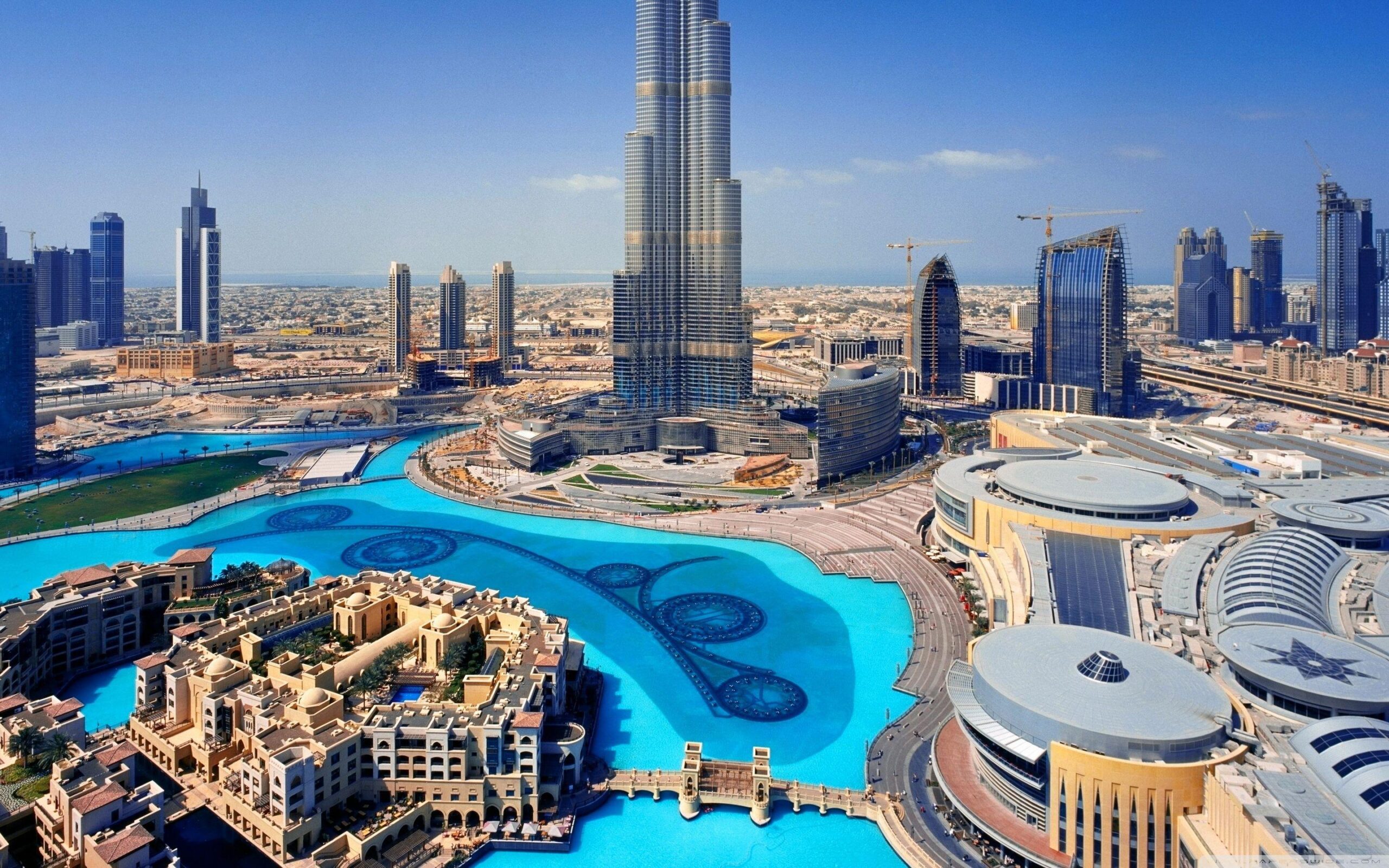
    Dubai’s rapid development showcases how a city can embrace innovation without losing its cultural identity. Visitors can marvel at the Burj Khalifa and then explore traditional areas like Al Fahidi Historical Neighborhood.

    From desert safaris to luxury shopping, Dubai offers a diverse lifestyle experience that blends the old and the new in extraordinary ways. This contrast makes it one of the most fascinating destinations for modern travelers.


    Rome: Ancient History Meets Contemporary Life

    Rome is a city where history is not confined to museums but lives and breathes in everyday life. Ancient ruins, Renaissance art, and modern urban culture coexist, creating a unique blend of past and present.

    The seamless integration of historical landmarks into modern city life makes Rome a living testament to its glorious past. Iconic sites like the Colosseum stand alongside bustling streets filled with cafes, shops, and contemporary lifestyles.

    Rome’s ability to preserve its heritage while embracing modernity offers travelers a deeply enriching and immersive experience. It is a city where every step tells a story of history intertwined with modern living.


    Varanasi: Timeless Spirituality in a Changing World

    Varanasi represents the spiritual essence of India while gradually adapting to modern infrastructure and tourism. As one of the oldest cities in the world, it continues to thrive as a center of faith, culture, and evolving urban life.

    The city’s spiritual depth combined with modern development creates a unique lifestyle experience for visitors. Sacred sites like Kashi Vishwanath Temple now coexist with improved facilities and connectivity.

    Varanasi offers a profound journey where ancient rituals meet contemporary living, making it a destination that touches both the soul and the senses. It stands as a testament to India’s ability to preserve tradition while embracing change.


    Singapore: A Model of Modern Tradition

    Singapore is a shining example of how tradition and modernity can coexist in perfect harmony. Known for its futuristic skyline and efficient urban planning, the city also celebrates its multicultural heritage through neighborhoods like Chinatown and Little India.

    Singapore’s strength lies in its ability to preserve cultural diversity while leading in innovation and urban development. Attractions like Marina Bay Sands showcase modern luxury, while traditional festivals and markets keep cultural traditions alive.

    The city offers a balanced lifestyle experience that combines heritage, technology, and sustainability, making it a global benchmark for urban living.


    Conclusion: The Future of Lifestyle Tourism

    Cities that successfully blend tradition and modernity are redefining the concept of travel and lifestyle tourism. They offer more than just attractions—they provide meaningful experiences that connect travelers with culture, history, and innovation.

    These destinations demonstrate that progress does not require abandoning tradition but rather integrating it into modern life. This balance creates cities that are not only visually stunning but also culturally rich and deeply inspiring.

    As travelers continue to seek authentic and immersive experiences, cities that harmonize the old and the new will remain at the forefront of global tourism. They remind us that the future can be built without forgetting the past, offering a journey that is both enlightening and unforgettable.

  • “Varanasi: Spiritual India, Temples, and the Sacred Ganges Experience”

    “Varanasi: Spiritual India, Temples, and the Sacred Ganges Experience”

    Introduction: The Eternal City of Light

    https://upload.wikimedia.org/wikipedia/commons/0/09/Evening_Ganga_Aarti_at_Dashashwamedh_Ghat.JPG

    Varanasi, also known as Kashi or Banaras, is one of the oldest continuously inhabited cities in the world and stands as a spiritual heart of India. Situated along the banks of the sacred Ganges River, the city radiates a mystical aura that draws millions of pilgrims, seekers, and travelers every year. The essence of Varanasi lies not just in its geography but in its timeless connection to life, death, and liberation.

    Varanasi is not merely a destination; it is a living embodiment of spirituality where every corner whispers stories of devotion, rituals, and ancient traditions. The city thrives on a unique blend of chaos and calm, where bustling streets coexist with moments of deep introspection and peace. From the ringing of temple bells to the chants of mantras echoing through the ghats, Varanasi offers an experience that transcends the ordinary.

    For centuries, Varanasi has been regarded as a gateway to moksha (liberation), making it one of the most sacred pilgrimage sites in Hinduism. Its spiritual magnetism continues to inspire poets, philosophers, and travelers from across the globe, making it a timeless symbol of India’s cultural and religious heritage.


    The Sacred Ghats: Where Life Meets Eternity

    The ghats of Varanasi are perhaps the most iconic aspect of the city, forming a continuous stretch of steps leading down to the Ganges. There are over 80 ghats, each with its own significance, history, and spiritual importance. Among them, Manikarnika Ghat and Assi Ghat stand out for their deep cultural and religious relevance.

    The ghats are not just physical spaces; they are spiritual stages where the cycle of life and death unfolds every day. Pilgrims gather here to take holy dips, believing that the sacred waters cleanse them of sins and bring them closer to salvation. The sight of cremation rituals at Manikarnika Ghat serves as a powerful reminder of life’s impermanence and the eternal nature of the soul.

    From sunrise boat rides to evening prayers, the ghats offer a continuous flow of spiritual experiences that captivate the senses and awaken the soul. Whether it is the serenity of early morning or the vibrancy of evening rituals, the ghats remain the heartbeat of Varanasi’s spiritual identity.


    Kashi Vishwanath Temple: The Spiritual Core

    At the center of Varanasi’s spiritual universe lies the revered Kashi Vishwanath Temple, dedicated to Lord Shiva. This temple is one of the twelve Jyotirlingas, making it one of the most sacred Shiva temples in India. Devotees from across the world visit this holy shrine to seek blessings and experience divine energy.

    The temple symbolizes the cosmic power of Lord Shiva and represents the ultimate truth of existence. The golden spire of the temple glistens under the sun, reflecting the grandeur and sanctity of this ancient shrine. The recently developed Kashi Vishwanath Corridor has further enhanced accessibility and the overall spiritual experience for visitors.

    A visit to Varanasi is considered incomplete without offering prayers at Kashi Vishwanath, as it is believed to grant spiritual liberation and inner peace. The temple stands as a beacon of faith, devotion, and timeless tradition, anchoring the spiritual essence of the city.


    The Ganga Aarti: A Divine Spectacle

    One of the most mesmerizing experiences in Varanasi is the Ganga Aarti held every evening at Dashashwamedh Ghat. This grand ritual is a synchronized performance of devotion, where priests offer prayers to the Ganges using fire lamps, incense, and rhythmic chants.

    The Ganga Aarti is not just a ritual; it is a spiritual celebration that connects humans with the divine. The sight of illuminated lamps reflecting on the river, combined with the sound of bells and mantras, creates an atmosphere of transcendence and awe.

    For many visitors, witnessing the Ganga Aarti becomes a deeply emotional and transformative experience, leaving a lasting impression on the soul. It encapsulates the essence of Varanasi’s spirituality and its deep reverence for the sacred river.


    Culture, Traditions, and Timeless Heritage

    Varanasi is not only a spiritual hub but also a vibrant center of culture and tradition. The city is famous for its Banarasi silk sarees, classical music, and rich culinary heritage. It has been a cradle of art, learning, and philosophy for centuries.

    The cultural fabric of Varanasi is deeply intertwined with its spiritual roots, creating a unique blend of tradition and creativity. Renowned musicians and scholars have emerged from this city, contributing to India’s rich artistic legacy.

    From narrow गलियाँ (lanes) filled with local delicacies to the rhythmic beats of classical music, Varanasi offers a sensory journey through India’s cultural richness. Every aspect of the city reflects its timeless charm and enduring heritage.


    Spiritual Philosophy: Life, Death, and Liberation

    Varanasi holds a unique place in Hindu philosophy as a city where life and death coexist harmoniously. It is believed that dying in Varanasi grants moksha, freeing the soul from the cycle of rebirth. This belief draws countless pilgrims and elderly individuals to spend their final days in the city.

    The presence of cremation ghats and continuous funeral rituals reflects the acceptance of death as a natural part of existence. Unlike many cultures that fear death, Varanasi embraces it as a transition to a higher state of being.

    This profound spiritual philosophy makes Varanasi a place of introspection, where visitors are encouraged to reflect on the deeper meaning of life and existence. The city teaches that life is transient, but the soul is eternal.


    Conclusion: A Journey Beyond the Physical World

    Varanasi is more than just a city; it is an experience that transcends time, space, and physical reality. Its spiritual energy, cultural richness, and historical depth make it one of the most unique destinations in the world.

    The true essence of Varanasi lies in its ability to transform those who visit it, offering not just memories but profound spiritual insights. Whether it is the serenity of the Ganges, the devotion of the temples, or the vibrancy of its culture, Varanasi leaves an indelible mark on the soul.

    In a fast-paced modern world, Varanasi stands as a reminder of timeless values, spiritual awakening, and the eternal journey of the human soul. It is a place where one does not just travel, but truly discovers the deeper essence of life itself.