Category: Spirituality

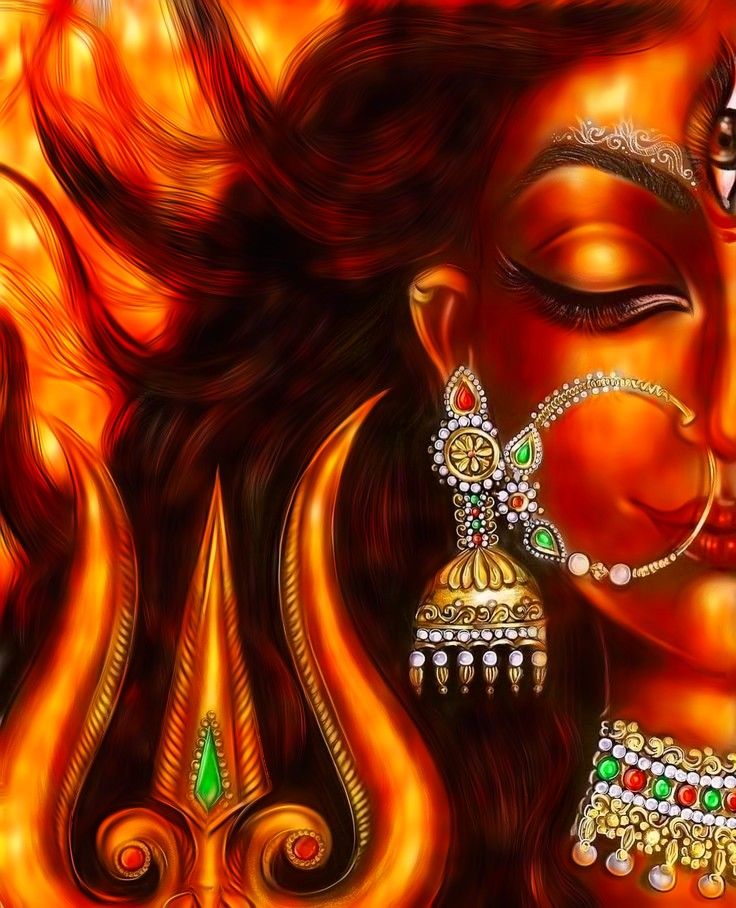
  • The Nine Avatars of Durga and Their Spiritual Meaning

    The Nine Avatars of Durga and Their Spiritual Meaning

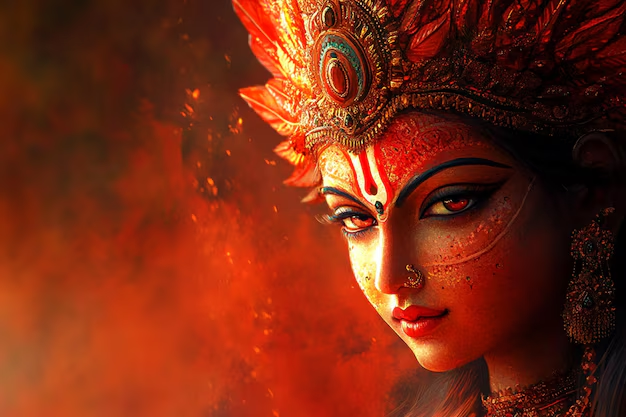
    Introduction: The Divine Power of Navadurga

    In Hindu spirituality, Durga represents the supreme feminine energy—Shakti—the force that sustains, protects, and transforms the universe. During the sacred festival of Navratri, devotees worship her nine divine manifestations, collectively known as Navadurga. Each form symbolizes a distinct spiritual quality and stage of inner awakening. These nine nights are not merely ritual observances but a symbolic journey from ignorance to enlightenment.

    Navadurga embodies courage, compassion, wisdom, discipline, and ultimate liberation. Every day of Navratri is dedicated to one avatar, reflecting the progressive purification of the mind and soul. From grounding oneself in faith to attaining supreme knowledge, the nine forms map a complete spiritual path.

    The worship of these avatars teaches that divine power resides within every individual. By meditating upon each form, devotees align themselves with cosmic energy. The nine manifestations together portray the dynamic balance between nurturing love and fierce protection. Through these sacred forms, Durga reveals that spiritual growth requires strength, surrender, and self-realization.


    1. Shailaputri: The Daughter of the Mountains

    The first form of Navadurga is Shailaputri, whose name means “Daughter of the Mountain.” She is the incarnation of Goddess Parvati and represents purity and grounding energy. Riding a bull and holding a trident and lotus, she symbolizes strength rooted in stability.

    Shailaputri teaches that every spiritual journey begins with a strong foundation. Just as mountains stand firm, devotees must cultivate faith and resilience. She governs the Muladhara (root) chakra, which anchors physical and spiritual balance.

    Her worship signifies the awakening of dormant spiritual energy. By meditating on Shailaputri, devotees strengthen their inner resolve. She reminds us that spiritual ascent begins with humility and devotion.


    2. Brahmacharini: The Embodiment of Penance

    The second form is Brahmacharini, symbolizing austerity and spiritual discipline. Holding a rosary and water pot, she represents determination and unwavering devotion.

    Brahmacharini embodies the power of tapasya (penance) and self-control. Her calm demeanor reflects inner strength born from sacrifice. She governs the Swadhisthana chakra, enhancing emotional balance.

    Her form teaches that perseverance leads to divine realization. Through self-discipline and meditation, one purifies desires. Brahmacharini inspires seekers to remain steadfast on the spiritual path.


    3. Chandraghanta: The Warrior of Peace

    The third avatar, Chandraghanta, is depicted with a crescent moon shaped like a bell on her forehead. She rides a tiger and holds multiple weapons, symbolizing readiness to protect righteousness.

    Chandraghanta represents courage combined with serenity. Though fierce in battle, she radiates peace and grace. She governs the Manipura chakra, enhancing confidence and power.

    Her worship removes fear and instills bravery. She teaches that true strength arises from inner harmony. Devotees seek her blessings to overcome obstacles with dignity.


    4. Kushmanda: The Cosmic Creator

    The fourth form, Kushmanda, is believed to have created the universe with her divine smile. She radiates solar energy and sustains cosmic order.

    Kushmanda symbolizes creative power and divine vitality. She governs the Anahata (heart) chakra, promoting compassion and love.

    Her blessings bring health, radiance, and positivity. Devotees honor her as the source of universal light. She reminds us that joy and creativity are sacred expressions of divinity.


    5. Skandamata: The Nurturing Mother

    The fifth avatar is Skandamata, depicted holding her son Kartikeya. She symbolizes maternal love and protection.

    Skandamata represents unconditional compassion and guidance. She governs the Vishuddha chakra, promoting purity of speech and intention.

    Her worship nurtures wisdom and emotional harmony. She reminds devotees that love and strength coexist. Through her blessings, families experience unity and peace.


    6. Katyayani: The Fierce Protector

    The sixth form, Katyayani, is known for slaying the demon Mahishasura. She embodies righteous anger and divine justice.

    Katyayani symbolizes the destruction of ego and negativity. She governs the Ajna chakra, awakening intuition and clarity.

    Her worship empowers devotees to fight injustice and fear. She inspires moral courage and self-confidence. Her fierce grace protects devotees from harm.


    7. Kalaratri: The Dark Night of Transformation

    The seventh avatar, Kalaratri, is the fiercest form of Durga. Dark in complexion and powerful in appearance, she destroys ignorance and evil.

    Kalaratri represents the fearless confrontation of darkness. She governs the Sahasrara chakra, leading to spiritual awakening.

    Her presence removes fear and grants protection. Though terrifying in form, she is compassionate toward devotees. She teaches that transformation often requires facing inner shadows.


    8. Mahagauri: The Radiance of Purity

    The eighth form is Mahagauri, symbolizing purity and serenity. Clad in white, she radiates peace and forgiveness.

    Mahagauri represents cleansing of past karma and renewal. Her blessings bring harmony and calmness.

    She signifies the soul’s purification after intense transformation. Devotees experience inner peace through her worship. Her gentle grace restores balance and hope.


    9. Siddhidatri: The Giver of Spiritual Powers

    The ninth and final form is Siddhidatri, who grants siddhis (spiritual powers) and ultimate knowledge. She completes the Navadurga cycle.

    Siddhidatri symbolizes spiritual fulfillment and divine realization. She bestows wisdom and enlightenment upon devotees.

    Her worship marks the culmination of the spiritual journey begun on the first day of Navratri. She represents unity with the supreme consciousness. Through her blessings, seekers attain inner completeness.


    Conclusion: The Spiritual Journey of Navadurga

    The nine avatars of Durga represent a progressive spiritual path from grounding faith to ultimate enlightenment. Each form reflects a unique aspect of divine feminine energy. Together, they guide devotees through discipline, courage, compassion, and transformation.

    Navadurga teaches that spiritual growth requires strength, surrender, and wisdom. By meditating on these nine forms, devotees awaken their inner Shakti. The festival of Navratri becomes a sacred journey of self-discovery.

    Ultimately, the Nine Avatars of Durga remind us that divine power resides within. Through devotion and reflection, one can conquer ignorance and attain spiritual freedom. Under Durga’s protective grace, every soul can rise toward light and liberation.*


  • How to Celebrate Makar Sankranti: Kite Flying, Charity, Til-Gud Rituals, and Puja Guide

    How to Celebrate Makar Sankranti: Kite Flying, Charity, Til-Gud Rituals, and Puja Guide

    Introduction: Welcoming the Auspicious Festival of Makar Sankranti

    Makar Sankranti is one of the most vibrant and spiritually uplifting festivals celebrated across India. Marking the Sun’s transition into Capricorn (Makara), this day signifies the beginning of Uttarayana, the Sun’s northward journey. Unlike most Hindu festivals based on the lunar calendar, Makar Sankranti follows the solar cycle, making it astronomically significant. Devotees worship Surya, expressing gratitude for light, warmth, and the harvest season.

    This festival symbolizes renewal, prosperity, and spiritual progress. From kite-filled skies in Gujarat to Pongal feasts in Tamil Nadu, celebrations reflect cultural diversity united by devotion. The day begins with holy baths, followed by Surya puja, charity, and festive meals prepared with sesame and jaggery. Farmers thank nature for abundance, while families gather to share sweets and joy.

    Makar Sankranti is more than a seasonal shift; it is a reminder to move from darkness toward light. The festival encourages generosity, harmony, and inner purification. Whether through kite flying, donating essentials, or offering Arghya to the Sun, each ritual carries deep symbolic meaning. Celebrating Sankranti mindfully brings both spiritual merit and communal happiness.


    Kite Flying: Reaching Toward the Sun

    https://img.artpal.com/019691/29-20-12-7-23-38-25m.jpg

    One of the most iconic traditions of Makar Sankranti is kite flying, especially prominent during Uttarayan in Gujarat. Rooftops fill with laughter as families and friends gather to compete joyfully under bright blue skies. The colorful kites soaring high represent aspirations rising toward the Sun.

    Flying kites symbolizes freedom, positivity, and spiritual elevation. It reflects the human desire to rise above limitations and embrace light. The act of looking up toward the sky also connects participants with Surya’s radiant presence. In cities like Ahmedabad, the International Kite Festival transforms the celebration into a grand spectacle.

    The playful competition of cutting kites teaches resilience and enthusiasm. Shouts of “Kai Po Che!” echo as one kite outmaneuvers another. The sky becomes a canvas of hope and unity. This tradition encourages community bonding and shared joy.

    While enjoying kite flying, it is essential to use eco-friendly threads to protect birds and nature. Celebrating responsibly ensures harmony with the environment, which Surya sustains. Kite flying thus becomes both a cultural delight and a symbolic offering to the Sun.


    Til-Gud Rituals: Sharing Sweetness and Warmth

    Sesame (til) and jaggery (gud) sweets are central to Makar Sankranti celebrations. In Maharashtra, people exchange til-gud ladoos with the phrase, “Tilgul ghya, god god bola,” meaning “Accept this sweet and speak sweetly.” The combination of sesame and jaggery has both seasonal and symbolic significance.

    Til represents warmth and purification, while gud symbolizes sweetness and unity. Consuming these ingredients during winter strengthens the body and balances energy. Sharing sweets encourages forgiveness and harmonious relationships. It is a reminder to let go of bitterness and embrace kindness.

    The ritual of exchanging til-gud teaches that words should be as sweet as the sweets we share. Families visit relatives and neighbors, spreading goodwill. This exchange fosters social cohesion and emotional warmth during the cold season.

    Preparing til laddoos at home can become a joyful family activity. Roasting sesame seeds, melting jaggery, and shaping laddoos together builds bonding. Through simple ingredients, profound cultural values are transmitted across generations.


    Charity and Donations: The Spirit of Giving

    Charity holds immense importance on Makar Sankranti. Scriptures state that acts of donation performed during Uttarayana yield multiplied blessings. Devotees donate food grains, clothes, blankets, sesame seeds, and money to those in need.

    Charity on Sankranti reflects gratitude for abundance received from nature and Surya. Bathing in sacred rivers such as the Ganga and offering alms afterward is considered highly auspicious. Giving without expectation purifies the heart and reduces ego.

    The festival emphasizes that true prosperity lies in sharing. Feeding the poor or offering meals to priests and workers spreads compassion. Many communities organize collective donation drives and food distribution programs.

    This practice reinforces the belief that Surya shines equally on all beings. By sharing our resources, we mirror the Sun’s generosity and impartiality. Charity transforms celebration into a meaningful spiritual act.


    Performing Surya Puja: Step-by-Step Guide

    The day of Makar Sankranti begins with an early morning bath, preferably before sunrise. Wearing clean or new clothes symbolizes purity and renewal. Devotees prepare a small puja setup with a copper vessel filled with water, red flowers, rice grains, and sesame seeds.

    Offering Arghya to Surya at sunrise is the most sacred ritual of the day. Facing east, devotees pour water slowly while chanting mantras such as the Gayatri Mantra. The sunlight filtering through the stream of water creates a spiritually uplifting sight.

    This act signifies surrendering ego and absorbing divine energy. After Arghya, prayers are offered for health, prosperity, and wisdom. Some families read sacred scriptures or perform Surya Aarti together.

    Lighting a diya and offering sweets made of sesame and jaggery completes the puja. Consistency and sincerity in prayer are valued more than elaborate arrangements. Surya Puja aligns devotees with cosmic rhythm and gratitude.


    Regional Celebrations: Diverse Expressions of Devotion

    Makar Sankranti is celebrated under different names across India. In Tamil Nadu, it is Pongal, where freshly harvested rice is cooked as an offering to the Sun. In Punjab, Lohri bonfires light up the night sky with songs and dance. Assam celebrates Magh Bihu with feasts and traditional games.

    Each region expresses gratitude to Surya through unique customs rooted in agricultural heritage. Though rituals vary, the spiritual message remains consistent—thankfulness for abundance and hope for the future.

    These regional celebrations showcase India’s unity in diversity. Families gather, exchange blessings, and rejoice together. Traditional dances and music add vibrancy to the festivities.

    Through diverse expressions, devotion to Surya remains the common thread. The festival unites communities in acknowledging the Sun as the ultimate sustainer of life.


    Conclusion: Embracing Light, Generosity, and Renewal

    Makar Sankranti is a festival that beautifully blends spirituality, agriculture, and community bonding. From kite flying to til-gud exchanges, each ritual carries symbolic meaning. Surya’s transition into Capricorn marks not only a celestial event but also a time for personal growth.

    Celebrating Sankranti encourages us to rise like the Sun—radiant, generous, and steadfast. Through charity, prayer, and joyful gatherings, devotees align themselves with positivity and gratitude. The festival inspires individuals to let go of negativity and embrace light.

    Whether through flying kites, sharing sweets, or performing Surya Puja, every act becomes a step toward harmony and renewal. As the Sun begins its northward journey, hearts too move toward hope and enlightenment.

    Ultimately, Makar Sankranti reminds us that life thrives on balance between nature, faith, and community. Under the golden glow of Surya, we celebrate abundance, compassion, and the eternal promise of new beginnings.

  • Why Surya Is Worshipped on Makar Sankranti: Myth and Meaning

    Why Surya Is Worshipped on Makar Sankranti: Myth and Meaning

    Introduction: The Divine Transition of the Sun

    The festival of Makar Sankranti marks one of the most spiritually significant solar transitions in the Hindu calendar, celebrated when the Sun enters the zodiac sign of Capricorn (Makara). Unlike most Hindu festivals that follow the lunar cycle, Makar Sankranti is based on the solar calendar, making it astronomically unique and spiritually powerful. On this auspicious day, devotees across India rise before dawn to offer prayers to Surya, the radiant Sun God who symbolizes life, energy, and divine consciousness. The movement of the Sun into Makara represents the beginning of Uttarayana, the northward journey of the Sun, considered highly favorable in Vedic tradition. This shift is believed to bring longer days, warmth, prosperity, and spiritual upliftment.

    The worship of Surya on this day is not merely ritualistic but deeply symbolic of enlightenment, renewal, and gratitude. Farmers celebrate the harvest, households prepare sesame and jaggery sweets, and riversides fill with devotees performing sacred baths. The Sun, being the visible source of light and life, is revered as the ultimate witness of all actions. In Vedic scriptures, Surya is described as the soul of the universe (Atman of all beings). Offering water (Arghya) at sunrise signifies surrendering ego and absorbing divine radiance. This festival reminds humanity of the intimate connection between cosmic movement and earthly existence. Makar Sankranti thus becomes a bridge between astronomy and spirituality, science and faith, matter and spirit.


    The Mythological Roots: Surya in the Vedic and Puranic Traditions

    In ancient Vedic hymns, Surya is glorified as the eye of the universe and the dispeller of darkness, both literal and spiritual. The Rigveda contains numerous verses praising his brilliance and life-giving power. Surya is depicted riding a golden chariot driven by seven horses, symbolizing the seven colors of light and the seven days of the week. According to mythology, he is the son of Sage Kashyapa and Aditi, making him one of the Adityas. The seven horses also represent the seven chakras within the human body, aligning physical vitality with spiritual awakening.

    The mythological depiction of Surya emphasizes that light is not only physical illumination but also divine wisdom. Temples dedicated to Surya, such as the magnificent Konark Sun Temple, stand as architectural tributes to this celestial deity. In Puranic stories, Surya is known for his discipline, truthfulness, and unwavering consistency. He never deviates from his path, symbolizing righteousness and duty. This constancy is why devotees seek his blessings for stability, clarity, and strength in life. On Makar Sankranti, when Surya begins his northward journey, scriptures declare it a time when divine energies are especially accessible. The transition represents progress, growth, and spiritual ascension. Thus, myth and astronomy beautifully intertwine in this sacred observance.


    The Significance of Uttarayana: The Sacred Northern Journey

    One of the most profound reasons Surya is worshipped on Makar Sankranti lies in the concept of Uttarayana. In Hindu cosmology, the year is divided into two halves: Dakshinayana (southern movement) and Uttarayana (northern movement). Uttarayana begins with Makar Sankranti and is considered a period of spiritual progress and divine grace. It is believed that during this phase, the doors of higher realms open more readily to devoted souls.

    A powerful reference to Uttarayana appears in the epic Mahabharata, where Bhishma chose to leave his mortal body only after the Sun began its northward journey. He waited for this auspicious transition because it was believed that souls departing during Uttarayana attain liberation more easily. This story illustrates the profound spiritual importance of the Sun’s movement in Hindu philosophy. The transition is not seen merely as a seasonal change but as a gateway to higher consciousness.

    Uttarayana symbolizes the victory of light over darkness and knowledge over ignorance. As days grow longer, hope and vitality increase. Farmers celebrate the harvest, acknowledging Surya’s role in nourishing crops. Spiritual aspirants see this period as ideal for meditation, charity, and sacred rituals. Makar Sankranti thus becomes a celebration of cosmic rhythm aligning with inner awakening. Through Surya’s journey, devotees are reminded to move toward positivity, truth, and enlightenment.


    Surya as the Giver of Life and Karma Witness

    Surya is regarded as the direct source of life on Earth. Without sunlight, crops would not grow, water cycles would not function, and life would cease to exist. This tangible dependence makes Surya one of the few deities visible to the human eye. In daily rituals, devotees offer water while chanting the Gayatri Mantra, acknowledging his sustaining energy. The act of offering Arghya allows sunlight to pass through water, symbolizing purification of mind and body.

    Surya is also believed to be the eternal witness of human actions, the silent observer of karma. Nothing escapes his light, making him a symbol of truth and accountability. Scriptures teach that sincerity in prayer to Surya strengthens willpower and health. Bathing in sacred rivers like the Ganga on Makar Sankranti is considered highly meritorious, as the Sun’s rays are believed to energize the waters.

    This day emphasizes gratitude toward the cosmic force that sustains existence. Farmers thank Surya for a successful harvest, while householders pray for prosperity and vitality. The offering of sesame seeds and jaggery signifies warmth and unity. Through these rituals, devotees acknowledge that human survival depends on harmony with nature. Surya’s worship becomes an act of ecological awareness and spiritual humility.


    The Relationship Between Surya, Shani, and Vishnu

    Another layer of meaning behind Surya’s worship on Makar Sankranti involves celestial relationships described in mythology. Capricorn (Makara) is ruled by Shani, who is considered the son of Surya. According to legend, the relationship between Surya and Shani was once strained due to misunderstandings. However, Makar Sankranti symbolizes reconciliation, as Surya enters the house of his son.

    This transition teaches forgiveness, harmony, and familial unity. Devotees believe that honoring Surya on this day reduces malefic effects associated with planetary positions. The festival also holds significance for Vishnu, as some scriptures state that Lord Vishnu ended the tyranny of demons during this celestial shift. The Sun’s northward journey is thus linked with divine intervention and restoration of dharma.

    These interconnected myths reveal that cosmic events mirror moral and relational lessons. The Sun entering Capricorn becomes a symbol of resolving conflicts and embracing responsibility. Families gather, exchange sweets, and strengthen bonds, reflecting this theme of reconciliation. Surya’s worship thus transcends astrology and enters the realm of ethical living. It reminds devotees that just as planets align harmoniously, human relationships too must align with compassion and understanding.


    Cultural Celebrations Across India: A Tribute to Surya

    Though Makar Sankranti is celebrated nationwide, its regional expressions vary beautifully. In Tamil Nadu, it is observed as Pongal, where rice is cooked under the open sky in gratitude to the Sun. In Gujarat, it becomes Uttarayan, famous for vibrant kite-flying festivals. Punjab celebrates Lohri with bonfires symbolizing warmth and solar energy. Assam marks Magh Bihu with feasting and harvest joy.

    Despite diverse customs, the central theme remains gratitude to Surya for abundance and sustenance. Each region adapts the festival according to local culture while preserving its spiritual essence. Kite flying symbolizes reaching toward the Sun and embracing freedom. Bonfires represent the burning away of negativity.

    These vibrant traditions highlight the universal reverence for solar energy in Indian culture. Through music, dance, and food, communities express thankfulness. The festival transcends caste, region, and language. It unites people in acknowledgment of a shared cosmic benefactor. Surya’s worship thus becomes a celebration of unity in diversity.


    Conclusion: The Eternal Light of Faith and Renewal

    Makar Sankranti stands as a powerful reminder of humanity’s bond with the cosmos. The worship of Surya on this day reflects a profound understanding of nature’s rhythms and spiritual symbolism. As the Sun begins its northward journey, devotees see it as an invitation to move toward clarity, positivity, and higher awareness.

    Surya represents not only physical light but the inner light of wisdom and truth. His steady path across the sky teaches discipline and perseverance. The rituals of offering water, bathing in sacred rivers, and sharing sweets reinforce gratitude and harmony.

    By honoring Surya on Makar Sankranti, devotees align themselves with cosmic order and spiritual progress. The festival becomes a celebration of renewal, reconciliation, and radiant hope. It reminds us that just as darkness yields to dawn, challenges yield to perseverance.

    Ultimately, Surya’s worship on this sacred day symbolizes humanity’s eternal quest for enlightenment. Under the golden glow of the winter Sun, faith is rekindled, bonds are strengthened, and hearts are filled with warmth. In the brilliance of Surya, devotees find both sustenance and salvation.

  • How to Celebrate Karva Chauth: Sargi, Nirjala Fast, Moon Ritual, and Puja Vidhi

    How to Celebrate Karva Chauth: Sargi, Nirjala Fast, Moon Ritual, and Puja Vidhi

    Introduction: The Sacred Significance of Karva Chauth

    Karva Chauth is one of the most cherished festivals celebrated by married Hindu women across India and among Indian communities worldwide. It falls on the fourth day (Chaturthi) of the Krishna Paksha in the month of Kartik, according to the Hindu lunar calendar. The festival is dedicated to the well-being, prosperity, and longevity of husbands. Women observe a rigorous fast from sunrise to moonrise, praying for their spouse’s safety and happiness.

    The festival beautifully symbolizes love, sacrifice, and unwavering devotion in marriage. It is not merely about abstaining from food and water, but about strengthening emotional and spiritual bonds between partners. Traditionally observed in North India—especially in Punjab, Haryana, Rajasthan, Uttar Pradesh, and Delhi—it has now become popular throughout the country.

    The word “Karva” refers to an earthen pot, and “Chauth” means fourth, marking the fourth day of the waning moon. The earthen pot plays a key role during the puja rituals. Over time, Karva Chauth has evolved into a celebration that blends tradition with modernity, with women dressing elegantly, applying mehendi, and participating in community gatherings.

    More than a ritual, Karva Chauth is a celebration of commitment and faith. It offers couples a moment to reflect on their partnership and shared journey. In recent times, many husbands also fast alongside their wives as a gesture of solidarity and mutual love.


    The Tradition of Sargi: A Blessed Beginning Before Sunrise

    The day of Karva Chauth begins before dawn with the ritual of Sargi, a pre-dawn meal traditionally prepared by the mother-in-law for her daughter-in-law. This meal is considered auspicious and is eaten before sunrise to sustain the woman through the day-long fast.

    Sargi symbolizes blessings, acceptance, and familial love. It usually includes fruits, dry fruits, sweets like pheni, mathri, coconut, and sometimes parathas or halwa. Along with food, the mother-in-law may gift clothes, jewelry, or bangles as a token of affection.

    Eating Sargi is not merely about nourishment; it is about receiving blessings for marital bliss. The daughter-in-law touches her mother-in-law’s feet as a mark of respect and gratitude. This ritual strengthens bonds within the family and reinforces cultural values.

    During Sargi, women often wake up together in households or communities. The atmosphere is serene, filled with quiet prayers and anticipation. This early morning ritual sets the spiritual tone for the entire day.

    Once the sun rises, the Nirjala fast begins. Women refrain from consuming food or water until they sight the moon at night. The energy and positivity from Sargi help them remain determined and joyful throughout the day.


    Observing the Nirjala Fast: Devotion and Determination

    The Nirjala fast, meaning a fast without food and water, is the most significant aspect of Karva Chauth. From sunrise to moonrise, women abstain from eating or drinking, dedicating their day to prayers and reflection.

    The fast represents self-discipline, faith, and the depth of marital devotion. It is believed that sincere observance of the fast ensures the husband’s longevity and protection from harm. Women spend the day engaging in light activities, devotional singing, and preparing for the evening rituals.

    Applying mehendi (henna) on hands and feet is an important part of the celebration. The darker the mehendi, the deeper the love and affection between husband and wife, according to popular belief. Women adorn themselves with bridal attire, jewelry, bangles, sindoor, and bindi.

    In many communities, women gather in groups to listen to the Karva Chauth Vrat Katha (the traditional story associated with the festival). This storytelling session reinforces the spiritual meaning behind the fast and keeps traditions alive.

    Though the fast is physically demanding, the emotional fulfillment and spiritual satisfaction give women strength. Modern couples often reinterpret this ritual as a mutual promise of care and companionship.


    Preparing the Puja Thali: Sacred Arrangements and Offerings

    The Puja Thali plays a central role in the evening rituals of Karva Chauth. Carefully arranged with sacred items, it symbolizes devotion and gratitude. Women decorate the thali beautifully with roli (kumkum), rice grains, diya (lamp), sweets, flowers, and a small karva filled with water.

    The decorated thali reflects the beauty of faith and the joy of celebration. The diya represents light and divine blessings, while the karva (earthen pot) signifies prosperity and continuity of life. Some women also include a sieve (channi), which is later used during the moon ritual.

    Every item placed in the thali carries symbolic meaning rooted in tradition. The rice symbolizes purity, the kumkum stands for marital status, and sweets represent happiness and fulfillment. Preparing the thali mindfully is considered an act of devotion.

    In many homes, women exchange decorated thalis with one another during community gatherings. This exchange fosters unity and shared spirituality among married women. It is a beautiful display of cultural bonding.

    The puja usually begins in the evening before moonrise, where women sit in a circle, pass the karva around, and sing traditional songs. This collective participation enhances the festive spirit and reinforces shared faith.


    The Moon Ritual: A Sacred Moment of Love and Blessing

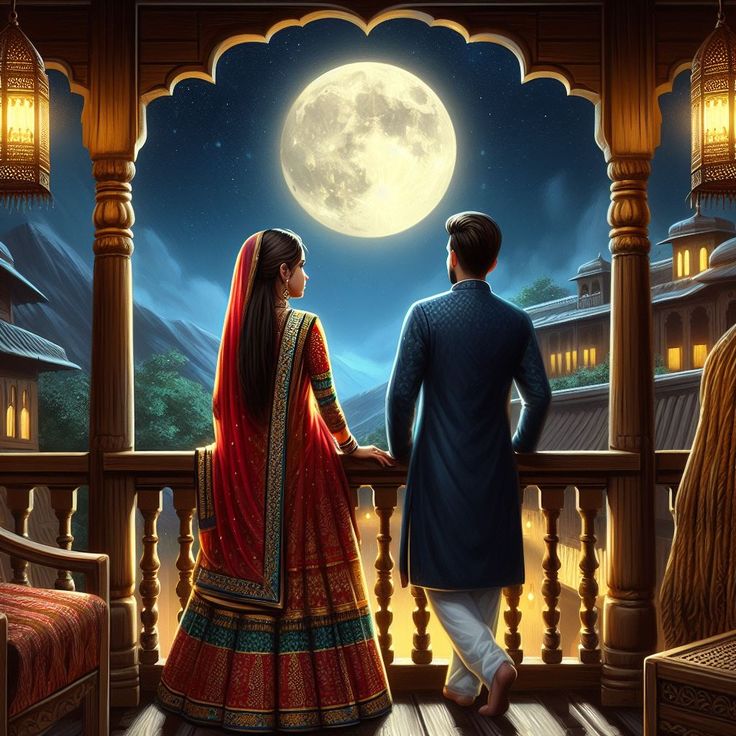
    The most awaited and emotional moment of Karva Chauth is the sighting of the moon. After a full day of fasting, women eagerly wait for the moon to rise. Once visible, they perform the Chandra Darshan ritual.

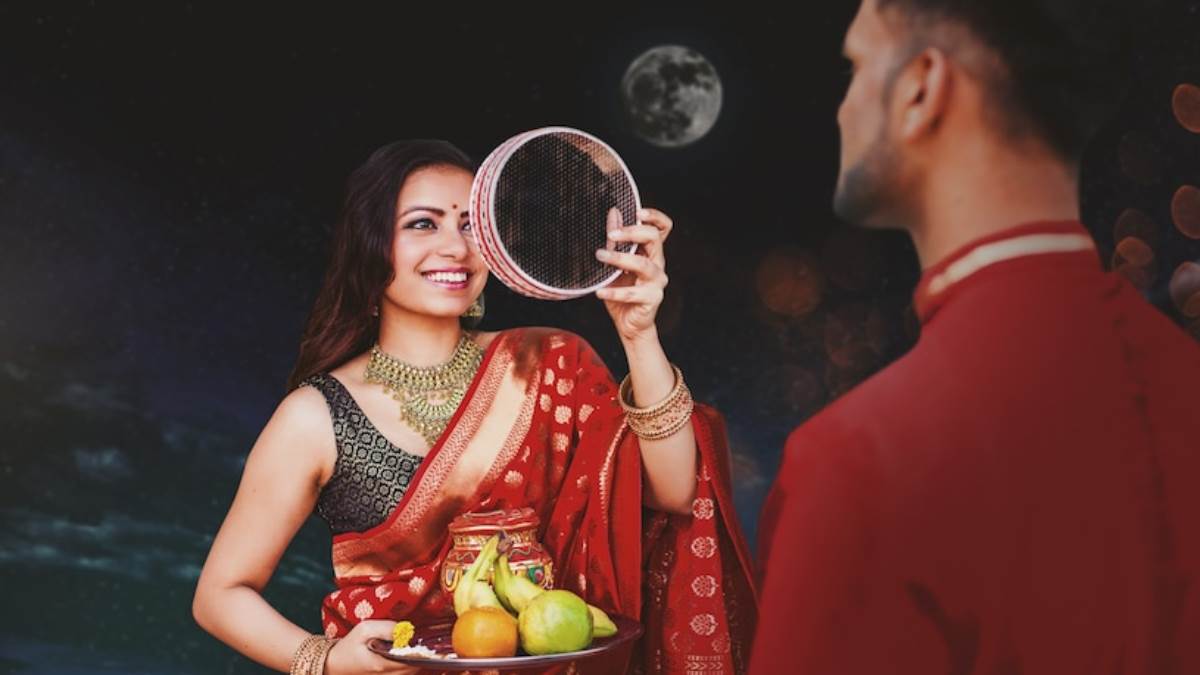
    The moon symbolizes calmness, purity, and divine witness to marital vows. Women first offer water (arghya) to the moon using the karva, praying for their husband’s health and long life. They then look at the moon through a sieve and subsequently at their husband through the same sieve.

    This act signifies filtering negativity and seeing one’s partner with clarity and love. The husband then offers water and the first bite of food to his wife, marking the end of the fast. This tender exchange represents gratitude and mutual respect.

    The moon ritual is often accompanied by emotional moments and heartfelt smiles. It beautifully captures the essence of devotion meeting companionship. Families gather to witness this sacred scene, creating memories that last a lifetime.

    In modern times, even if the moon is not visible due to weather, couples rely on lunar timings or online updates. Yet the emotional significance remains unchanged—the ritual remains a powerful expression of love and faith.


    Puja Vidhi: Step-by-Step Guide to Performing Karva Chauth Puja

    The Puja Vidhi is the structured ritual that guides the spiritual observance of Karva Chauth. It usually begins in the evening before moonrise. Women gather with their puja thalis and sit facing the idol or image of Goddess Parvati, Lord Shiva, and Lord Ganesha.

    Invoking divine blessings is central to the ritual’s sanctity. Women light the diya and apply roli and rice to the idols. They listen attentively to the Karva Chauth Vrat Katha, which narrates the story of Queen Veeravati and the significance of steadfast devotion.

    Passing the karva around in a circle while chanting prayers symbolizes unity and shared blessings. Each participant pours a little water into another’s karva, representing goodwill and sisterhood. The ritual concludes with aarti and collective prayers.

    After the puja, women seek blessings from elders by touching their feet. Respect for elders and adherence to tradition strengthen familial harmony. Gifts and sweets are exchanged, adding joy to the spiritual celebration.

    Performing the Puja Vidhi with sincerity is believed to bring divine grace into the household. The ceremony reinforces values of patience, love, sacrifice, and gratitude.


    Modern Celebrations and Evolving Traditions

    Karva Chauth today blends traditional rituals with contemporary lifestyles. While the core values remain intact, celebrations now include virtual gatherings, designer outfits, themed mehendi parties, and social media sharing.

    The festival continues to evolve while preserving its spiritual foundation. Many couples reinterpret the fast as a mutual commitment rather than a one-sided sacrifice. Husbands fasting alongside their wives reflects changing societal perspectives.

    Urban celebrations may include community events, cultural performances, and festive dinners after moonrise. Despite modernization, the emotional essence of Karva Chauth remains deeply rooted in devotion and marital love.

    Even for newlyweds or couples living abroad, Karva Chauth provides a meaningful connection to cultural heritage. Technology enables families to celebrate together virtually, ensuring traditions continue across distances.

    Ultimately, Karva Chauth is not about hardship but about heartfelt intention. It reminds couples of the sacredness of partnership and the beauty of shared rituals.


    Conclusion: The Eternal Bond Celebrated Under the Moonlight

    Karva Chauth stands as a timeless celebration of love, faith, and marital unity. From the early morning Sargi to the moonlit ritual, every step of the day reflects devotion and hope.

    The festival teaches patience, gratitude, and the strength of spiritual commitment. Through fasting, prayer, and celebration, women express their deepest wishes for their husband’s well-being and longevity.

    The sight of the moon through the sieve remains an iconic symbol of unwavering love. It captures the emotional essence of the festival in one serene moment. Families gather, blessings flow, and hearts unite in gratitude.

    As traditions adapt to modern times, the spirit of Karva Chauth continues to shine brightly. It is a celebration of companionship built on trust, respect, and enduring affection.

    Under the gentle glow of the moon, promises are renewed, prayers are whispered, and love is celebrated in its purest form.

  • The Legend of Queen Veeravati and the Devotion Behind Karva Chauth

    The Legend of Queen Veeravati and the Devotion Behind Karva Chauth

    The Sacred Festival of Karva Chauth and Its Spiritual Essence

    Karva Chauth is one of the most cherished festivals celebrated by married Hindu women across India, especially in North India. Observed on the fourth day (Chaturthi) after the full moon in the month of Kartik, this sacred fast symbolizes love, devotion, and the longevity of a husband’s life. Women observe a strict nirjala fast, refraining from both food and water from sunrise until moonrise. Karva Chauth is not merely a ritual of fasting but a profound expression of marital devotion and unwavering faith. The festival beautifully blends cultural tradition with emotional commitment.

    The word “Karva” refers to an earthen pot used during the puja, and “Chauth” signifies the fourth day of the lunar fortnight. Married women gather in groups, dress in traditional attire, and apply mehendi (henna) on their hands. The atmosphere is filled with anticipation, prayer, and sisterhood. The festival highlights the sacred bond between husband and wife, rooted in trust and spiritual connection. It is a celebration of enduring love and selfless sacrifice.

    Among the many legends associated with Karva Chauth, the story of Queen Veeravati stands out as the most popular and spiritually meaningful. Her tale reflects the consequences of impatience and the power of sincere repentance. Through her story, devotees understand that faith and devotion hold transformative power. The legend is recited during Karva Chauth puja as a reminder of the festival’s deep spiritual significance.


    The Story of Queen Veeravati: A Test of Devotion

    The legend of Queen Veeravati begins in a prosperous kingdom where she lived happily with her husband, a brave and noble king. Being the only sister among seven loving brothers, she was deeply cherished by her family. After her marriage, Veeravati observed her first Karva Chauth fast with complete dedication. Her devotion reflected the deep love and respect she had for her husband’s well-being. Determined to follow tradition strictly, she abstained from food and water throughout the day.

    As the hours passed, Veeravati became extremely weak and faint due to hunger and thirst. Her brothers, unable to see her suffering, decided to ease her pain. They created a false illusion of the moon by lighting a lamp behind a tree and showing it to her. Believing that the moon had risen, Veeravati broke her fast prematurely. This act, though innocent, disrupted the sanctity of the sacred vow. Soon after breaking her fast, she received devastating news that her husband had fallen gravely ill.

    The sudden misfortune shocked Veeravati, and she realized her mistake. The premature breaking of the fast had unintentionally affected her husband’s life. The legend emphasizes that rituals performed with sincerity require patience and discipline. Overwhelmed with guilt, she prayed fervently to Goddess Parvati for forgiveness and guidance. Her journey of repentance began, reflecting her unwavering love and faith.


    Repentance, Faith, and Divine Intervention

    Stricken with sorrow, Queen Veeravati decided to observe the Karva Chauth fast again with greater devotion and strict discipline. She prayed wholeheartedly to Goddess Parvati, seeking forgiveness for her earlier mistake. Her repentance symbolized the transformative power of sincere faith and determination. Veeravati remained steadfast in her prayers, refusing to lose hope despite her husband’s fragile condition.

    Goddess Parvati, moved by her devotion, appeared before her and explained that breaking the fast before sighting the actual moon had disrupted the spiritual vow. However, the goddess also reassured her that sincere repentance could restore balance. This divine guidance highlights that mistakes can be corrected through faith and perseverance. Veeravati observed the fast again with utmost sincerity and completed it properly after sighting the moon.

    Her unwavering devotion bore fruit. Soon after completing the fast with full ritual observance, her husband regained his health and vitality. The kingdom rejoiced, celebrating the queen’s faith and determination. The revival of her husband symbolizes the victory of devotion over adversity. Veeravati’s story became a timeless example of patience, love, and spiritual strength.


    The Rituals and Symbolism of Karva Chauth

    Karva Chauth rituals are deeply symbolic and rooted in tradition. Women wake up before sunrise to eat “Sargi,” a pre-dawn meal usually prepared by the mother-in-law. After this, they begin their nirjala fast. Throughout the day, they engage in prayer, storytelling, and preparation for the evening puja. The fast signifies sacrifice, commitment, and selfless love for one’s spouse.

    In the evening, women gather for the Karva Chauth puja, placing earthen pots (karva), sweets, fruits, and a decorated thali before the idol of Goddess Parvati. The story of Queen Veeravati is narrated as part of the ritual. Listening to the legend reinforces the importance of patience and unwavering devotion. After sunset, women eagerly wait for the moonrise.

    When the moon appears, women view it through a sieve and offer water as part of the ritual. They then look at their husbands through the sieve before breaking their fast. This act symbolizes filtering negativity and focusing on love and gratitude. The husband often offers the first sip of water, strengthening the emotional bond. The ritual beautifully blends symbolism, faith, and affection.


    The Timeless Devotion Behind Karva Chauth

    The legend of Queen Veeravati continues to inspire married women across generations. Her story teaches that love combined with faith can overcome challenges. Karva Chauth is a celebration of enduring devotion, patience, and spiritual commitment. While the rituals remain traditional, their emotional essence transcends time.

    In modern times, many couples celebrate Karva Chauth together, with husbands supporting their wives’ fast or even fasting alongside them. This mutual participation reflects evolving perspectives on partnership. The festival now symbolizes equality, shared respect, and emotional companionship. Beyond its religious roots, Karva Chauth has become a cultural celebration of marital harmony.

    Ultimately, the story of Queen Veeravati reminds devotees that sincere faith holds immense power. Her journey from mistake to redemption reflects the human experience of learning through devotion. Karva Chauth stands as a testament to love strengthened by sacrifice and prayer. As women gaze at the moon and break their fast, they honor a tradition rooted in resilience and devotion. The legend lives on, illuminating hearts with hope and unwavering faith.

  • How to Celebrate Raksha Bandhan: Rakhi Ceremony, Puja Thali Setup, and Gift Traditions

    How to Celebrate Raksha Bandhan: Rakhi Ceremony, Puja Thali Setup, and Gift Traditions

    The Spiritual Meaning and Significance of Raksha Bandhan

    Raksha Bandhan is a cherished Indian festival that celebrates the sacred bond between brothers and sisters. The word “Raksha” means protection, and “Bandhan” means bond, together symbolizing a promise of lifelong care and support. Celebrated on the full moon day of the Hindu month of Shravan, this festival carries deep emotional and spiritual meaning. Raksha Bandhan is not merely about tying a thread; it is about strengthening relationships through love, trust, and responsibility. Sisters pray for their brothers’ well-being, while brothers vow to protect and stand by them in all circumstances.

    Historically and mythologically, Raksha Bandhan has roots in various legends, including the story of Krishna and Draupadi, where a simple act of care formed an eternal bond of protection. Over time, the festival evolved into a beautiful cultural tradition observed across India and among Indian communities worldwide. The festival teaches that protection is not just physical but emotional and moral support. It reinforces family unity and mutual respect.

    Raksha Bandhan also transcends biological relationships. In many communities, women tie rakhi to cousins, friends, soldiers, and mentors as a symbol of gratitude and protection. The delicate thread of rakhi carries the powerful message of unity, harmony, and unconditional love. It is a reminder that relationships are sacred responsibilities. As families gather to celebrate, homes are filled with joy, sweets, laughter, and heartfelt blessings, making Raksha Bandhan a festival of emotional richness and spiritual warmth.


    Rakhi Ceremony: Step-by-Step Ritual Guide

    The Rakhi ceremony is the heart of Raksha Bandhan celebrations. It usually begins with sisters preparing for the ritual by dressing in traditional attire and arranging the puja thali. Brothers sit facing east or north, considered auspicious directions in Hindu customs. The ceremony begins with applying tilak on the brother’s forehead using kumkum or roli. The tilak symbolizes blessings, protection, and the invocation of divine energy. After the tilak, rice grains (akshat) are placed on the forehead, signifying prosperity and completeness.

    The sister then ties the rakhi thread around her brother’s wrist while chanting prayers for his health, success, and happiness. Some families recite mantras or sing traditional Raksha Bandhan songs during this moment. The act of tying the rakhi represents a sacred promise of lifelong protection and unwavering support. After tying the rakhi, the sister performs aarti by rotating a lit diya in front of her brother’s face, symbolizing warding off negative energies.

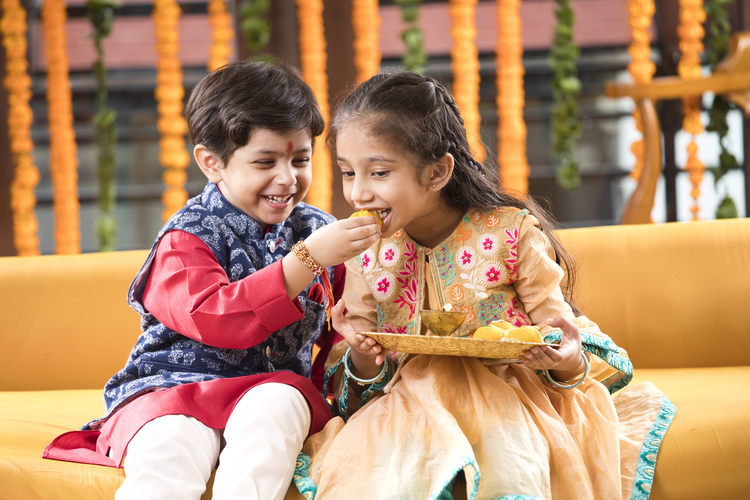
    The ceremony concludes with the exchange of sweets and gifts. Brothers often present gifts or monetary tokens to their sisters as a gesture of gratitude and affection. This exchange is not about material value but about expressing love and appreciation. Elders bless the siblings, adding warmth and blessings to the occasion. The simplicity of the ritual carries immense emotional significance, reinforcing bonds of care and responsibility that last a lifetime.


    Puja Thali Setup: Essentials and Symbolism

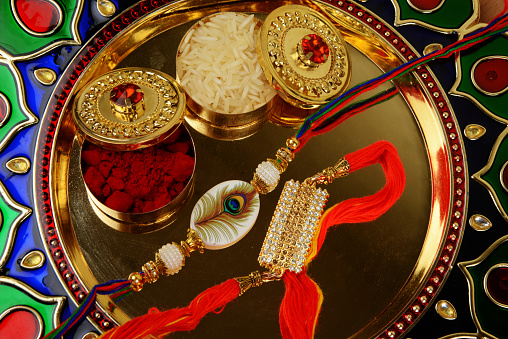
    A beautifully arranged puja thali enhances the spiritual atmosphere of Raksha Bandhan. The thali typically includes a rakhi thread, roli (vermilion), rice grains, diya (oil lamp), sweets, and sometimes a coconut. Each element carries symbolic meaning rooted in tradition. The diya represents divine light and positivity, illuminating the path of righteousness. Lighting the lamp before the ceremony invites auspiciousness and spiritual protection into the home.

    Roli and rice signify blessings and prosperity. The rakhi itself, often decorated with beads or sacred symbols like Om or Swastika, symbolizes protection and love. Sweets placed on the thali represent sweetness in relationships and harmony within the family. The puja thali is not merely decorative; it embodies cultural heritage and sacred intention. Many families decorate the thali with flowers, colorful fabrics, and rangoli patterns to enhance its beauty.

    Preparing the thali can be a joyful family activity, especially for children who learn the cultural significance of each item. Attention to detail in the thali setup reflects devotion and respect for tradition. The ritualistic arrangement fosters mindfulness and gratitude. Whether simple or elaborate, the puja thali becomes the centerpiece of the Rakhi ceremony, radiating warmth and spiritual significance throughout the celebration.


    Gift Traditions and Modern Celebrations

    Gift-giving is an integral part of Raksha Bandhan, symbolizing appreciation and affection. Traditionally, brothers give gifts or money to their sisters as a token of gratitude. These gifts can range from clothes and jewelry to personalized keepsakes. The true value of a Rakhi gift lies in the emotion behind it rather than its price. Sisters may also exchange thoughtful presents with their brothers, reflecting mutual love.

    In modern times, Raksha Bandhan celebrations have evolved with creative gift ideas such as customized photo frames, handwritten letters, or digital surprises for siblings living far apart. Online platforms now allow sending rakhis and gifts across countries, keeping families connected despite distance. Technology has expanded the reach of Raksha Bandhan, but its emotional essence remains unchanged. The festival continues to bridge physical gaps with heartfelt gestures.

    Beyond siblings, many communities extend Rakhi traditions to soldiers, honoring their role in protecting the nation. This practice broadens the meaning of Raksha Bandhan to include gratitude and national unity. Corporate offices and schools also celebrate the festival, promoting harmony and teamwork. Through thoughtful gifts and meaningful interactions, Raksha Bandhan remains a festival of affection and togetherness in both traditional and contemporary settings.


    Celebrating Raksha Bandhan with Love and Responsibility

    Celebrating Raksha Bandhan goes beyond rituals and gifts; it is about nurturing lifelong relationships. The festival encourages siblings to reflect on shared memories and mutual responsibilities. Raksha Bandhan teaches that protection is a two-way promise built on trust and empathy. Sisters pray for their brothers’ well-being, while brothers pledge emotional and moral support.

    Families often use the occasion to reconnect, resolve misunderstandings, and strengthen bonds. Preparing sweets together, sharing laughter, and reminiscing about childhood create cherished memories. The festival becomes an opportunity to express gratitude for the presence of siblings in one’s life. Even those separated by distance celebrate virtually, proving that love transcends boundaries.

    Ultimately, Raksha Bandhan is a celebration of unity and unconditional affection. The sacred thread tied on this day symbolizes an unbreakable bond of care and commitment. By honoring traditions like the Rakhi ceremony, puja thali setup, and meaningful gift exchange, families keep cultural values alive. As the diya glows and blessings are exchanged, Raksha Bandhan becomes a beautiful reminder that relationships thrive on love, respect, and shared responsibility.

  • The Story of Krishna and Draupadi: The Origin of Raksha Bandhan

    The Story of Krishna and Draupadi: The Origin of Raksha Bandhan

    The Sacred Bond Between Krishna and Draupadi

    The story of Krishna and Draupadi is one of the most touching narratives in the epic Mahabharata, symbolizing devotion, protection, and sacred friendship. Though they were not bound by blood, their relationship reflected the purity of a divine sibling bond. Their connection forms the spiritual foundation of the festival of Raksha Bandhan, celebrating protection and trust. Krishna regarded Draupadi as his dear friend and sister, and Draupadi saw in him her eternal protector. Their relationship was built on respect, compassion, and unwavering faith.

    In ancient Indian tradition, relationships were not limited to biological ties but were strengthened by intention and sacred vows. Krishna and Draupadi’s bond exemplifies this deeper understanding of kinship. Their story reminds us that true relationships are forged by loyalty and spiritual connection rather than mere lineage. Whenever Draupadi faced challenges, she remembered Krishna with complete surrender. Likewise, Krishna always responded to her call, proving the strength of their divine bond.

    This sacred relationship is often associated with Raksha Bandhan, where sisters tie a thread (rakhi) on their brothers’ wrists, symbolizing love and protection. The essence of Raksha Bandhan lies in the promise of protection and mutual respect, values beautifully reflected in Krishna and Draupadi’s story. Their tale continues to inspire devotion and faith across generations. It is not just mythology but a timeless lesson about the power of trust and divine grace.


    The Incident of Krishna’s Bleeding Finger

    One of the most significant moments in their story occurred during a royal ceremony when Krishna injured his finger while handling his Sudarshan Chakra. As blood began to flow, the people around him panicked and searched for cloth to stop the bleeding. Without hesitation, Draupadi tore a strip from her sari and gently wrapped it around Krishna’s finger. This spontaneous act of compassion symbolized pure love and selfless care. She did not think about the value of her garment; she only cared about Krishna’s pain.

    Krishna was deeply moved by her gesture. In that moment, he vowed to protect her whenever she needed him. This vow of protection forms the spiritual essence of Raksha Bandhan—the promise to stand by loved ones in times of distress. Draupadi’s act was simple yet profound, showing that even a small gesture done with sincerity can create a lifelong bond. The cloth she tied became symbolic of the sacred thread later known as rakhi.

    The incident emphasizes the importance of empathy and timely help. True devotion is reflected in actions, not grand declarations. Draupadi’s quick response demonstrated courage and affection. Krishna’s silent promise represented divine assurance. Their bond was sealed not by ritual but by genuine compassion. This episode beautifully illustrates how acts of kindness can shape destiny.


    The Disrobing of Draupadi and Krishna’s Divine Protection

    https://yoga.krishna.com/2019/04-Apr/BTG-53-1-article03-img01.jpg

    The true test of their bond came during the infamous episode of Draupadi’s disrobing (Vastraharan) in the Kaurava court. After Yudhishthira lost her in a game of dice, Dushasana attempted to publicly humiliate her by pulling at her sari. Surrounded by elders and warriors who remained silent, Draupadi felt helpless and betrayed. In her darkest moment, she called out to Krishna with complete surrender and faith. She closed her eyes and prayed wholeheartedly for protection.

    Responding to her devotion, Krishna performed a miracle. As Dushasana tried to remove her sari, it became endless, protecting her dignity. No matter how much he pulled, the fabric kept extending infinitely. This divine intervention symbolizes that sincere faith invokes immediate divine protection. Draupadi’s honor was saved, and the court witnessed the power of unwavering devotion. The miracle reinforced Krishna’s promise made during the earlier incident.

    This episode remains one of the most powerful demonstrations of divine grace in Hindu mythology. It teaches that when human support fails, divine support never abandons true devotion. Draupadi’s faith was her shield, and Krishna’s protection was her strength. The event also underscores the importance of standing against injustice. Through this story, Raksha Bandhan becomes more than a festival—it becomes a reminder of faith and moral responsibility.


    The Symbolism and Spiritual Meaning of Raksha Bandhan

    The festival of Raksha Bandhan celebrates the sacred bond between brothers and sisters. The term “Raksha” means protection, and “Bandhan” means bond or tie. Sisters tie a rakhi on their brothers’ wrists, praying for their well-being, while brothers promise lifelong protection. The origin of this ritual is deeply rooted in the story of Krishna and Draupadi. Their bond exemplifies trust, loyalty, and spiritual kinship.

    Raksha Bandhan is not limited to biological siblings. It extends to relationships built on mutual respect and affection. In some traditions, women tie rakhi to soldiers, teachers, or close friends as a symbol of gratitude and faith. The festival promotes unity, harmony, and emotional connection beyond family boundaries. Gifts and sweets exchanged during the celebration strengthen bonds of love.

    Spiritually, Raksha Bandhan reminds individuals of their duty to protect and respect one another. It emphasizes that protection is not only physical but also emotional and moral. The thread may be delicate, but its meaning is powerful. Inspired by Krishna and Draupadi’s story, Raksha Bandhan becomes a celebration of divine assurance and human compassion.


    The Eternal Relevance of Krishna and Draupadi’s Story

    https://i.pinimg.com/474x/6b/7d/d5/6b7dd55909eb9353500fe0fe94684479.jpg

    The story of Krishna and Draupadi continues to resonate in modern times. It teaches that true bonds are based on trust and selflessness. Their relationship demonstrates that faith and loyalty transcend societal boundaries. In today’s world, where relationships often face challenges, their story offers guidance and inspiration. It reminds us to support one another during moments of vulnerability.

    Krishna’s protection of Draupadi symbolizes divine justice and compassion. Draupadi’s faith represents resilience and surrender to higher power. Together, they embody the perfect balance of devotion and divine grace. Raksha Bandhan becomes a celebration not only of sibling love but of spiritual commitment to righteousness.

    Ultimately, the origin of Raksha Bandhan in their story teaches that love combined with faith creates unbreakable bonds. The sacred thread tied on Raksha Bandhan carries the promise of protection, dignity, and unwavering support. Through Krishna and Draupadi’s tale, we learn that divine friendship and trust are eternal. Their story stands as a timeless reminder that where there is faith, there is protection, and where there is love, there is divine presence.

  • How Goddess Durga Defeated Mahishasura: The Story of Divine Power

    How Goddess Durga Defeated Mahishasura: The Story of Divine Power

    The Rise of Mahishasura and the Crisis of the Gods

    The legend of Durga and Mahishasura is one of the most powerful narratives in Hindu mythology, symbolizing the eternal victory of good over evil. Mahishasura was a mighty demon born with the ability to change his form, often appearing as a buffalo. Through intense penance, he pleased Lord Brahma and received a boon that no man or god could defeat him. Blinded by arrogance, Mahishasura believed himself invincible and began spreading terror across heaven and earth. Empowered by the boon, he attacked the celestial realm and defeated the gods, forcing them to flee from their own heavenly kingdom.

    The defeated gods, including Indra, were devastated and humiliated. Mahishasura’s tyranny knew no limits as he disrupted sacred rituals and destroyed righteousness. The balance of the universe was shaken, and chaos reigned supreme under the demon’s cruel rule. The gods realized that no male deity could destroy him due to the boon he had received. In their despair, they turned to the supreme trinity—Brahma, Vishnu, and Shiva—for guidance and protection.

    It was then that a divine solution emerged. From the combined anger and energy of the gods burst forth a radiant light. This light symbolized collective divine power uniting to restore cosmic balance. The energy took the magnificent form of Goddess Durga, a warrior goddess embodying strength, wisdom, and compassion. Her creation marked a turning point in the cosmic battle between dharma (righteousness) and adharma (evil). The rise of Durga was not merely a response to tyranny but a divine affirmation that injustice will always be challenged by higher power.


    The Divine Creation of Goddess Durga

    When the gods united their energies, their combined radiance formed Goddess Durga, resplendent and powerful. Each deity contributed their divine strength to her being. Lord Shiva gave her his trident, Vishnu offered his Sudarshan Chakra, and Indra presented his thunderbolt. Every weapon symbolized not only power but also the trust and faith of the gods in the feminine divine. Durga’s ten arms carried these celestial weapons, signifying her ability to protect from all directions. Her lion mount represented courage and determination.

    Her beauty was dazzling, yet her presence was fierce and commanding. Durga embodied both nurturing motherhood and unstoppable warrior spirit. The gods bowed before her, recognizing her as the ultimate manifestation of Shakti—the primordial cosmic energy. The creation of Durga signifies a profound truth in Hindu philosophy: that the feminine principle holds immense transformative power. Without Shakti, even the gods are powerless.

    This moment of divine creation carries symbolic depth. It teaches that unity among righteous forces generates unstoppable strength. Durga’s birth reminds humanity that collective positive energy can overcome even the darkest oppression. She was not born out of hatred but out of necessity to restore harmony. Her purpose was clear—to defeat Mahishasura and reestablish balance in the universe. Thus began one of the most legendary battles in mythological history.


    The Epic Battle Between Durga and Mahishasura

    When Mahishasura heard of Durga’s arrival, he underestimated her power, mocking the idea that a woman could challenge him. His arrogance blinded him to the divine strength standing before him. The battlefield trembled as Durga roared atop her lion, challenging the demon’s army. For nine days and nights, an intense battle unfolded between Durga and Mahishasura’s forces. The sky thundered with celestial weapons, and the earth shook with every strike.

    Mahishasura constantly changed forms—from buffalo to lion to elephant—attempting to confuse and overpower the goddess. Yet Durga remained calm and focused. Her composure symbolized unwavering determination in the face of chaos. With precision and grace, she destroyed the demon’s generals and soldiers. The battle represented more than physical combat; it was a spiritual clash between ignorance and wisdom.

    On the tenth day, Mahishasura returned to his buffalo form, charging fiercely at Durga. With immense strength, she pinned him down with her foot and struck him with her trident. This decisive moment marked the triumph of divine justice over unchecked ego. As Mahishasura fell, the heavens erupted in celebration. The tenth day, known as Vijayadashami or Dussehra, commemorates this victory. Durga earned the title “Mahishasura Mardini,” meaning the slayer of Mahishasura. Her victory became a timeless symbol of courage and righteousness.


    The Symbolism and Spiritual Meaning of the Victory

    The story of Durga defeating Mahishasura holds profound spiritual symbolism beyond its mythological narrative. Mahishasura represents ego, ignorance, and uncontrolled desire that can overpower the mind. Durga symbolizes inner strength, wisdom, and divine energy that can conquer negativity. The buffalo form of Mahishasura signifies stubbornness and brute force, traits that lead to downfall when unchecked.

    Durga’s ten arms represent multifaceted abilities required to overcome life’s challenges. Her lion symbolizes courage, while her weapons represent discipline and spiritual tools. The battle reminds us that inner demons must be confronted with patience, focus, and faith. The nine days of Navratri celebrate different forms of Durga, honoring her power and grace. Devotees fast, pray, and perform rituals to invoke her blessings during this sacred period.

    The tenth day, Vijayadashami, symbolizes victory not only in myth but in personal life. It teaches that no matter how powerful negativity seems, righteousness ultimately prevails. The immersion of Durga idols at the end of Navratri reflects the cyclical nature of life and the temporary manifestation of divine forms. The story encourages self-reflection and spiritual growth. Durga’s triumph inspires individuals to conquer fear, doubt, and injustice within themselves.


    The Relevance of Durga’s Victory in Modern Times

    In contemporary times, the story of Durga defeating Mahishasura continues to inspire millions. Festivals like Navratri and Durga Puja celebrate her victory with devotion and cultural vibrancy. Durga has become a symbol of women’s empowerment, representing strength, independence, and resilience. Her story reminds society that courage and determination can overcome oppression and injustice.

    Durga’s narrative also emphasizes unity and collective strength. Just as the gods combined their energies, communities today unite to celebrate faith and culture. The legend encourages standing against wrongdoing with confidence and moral clarity. It teaches that power is not defined by gender but by inner strength and righteousness. In a world facing social and personal struggles, Durga’s example remains deeply relevant.

    Her victory also serves as a spiritual metaphor for personal transformation. Each individual faces inner battles, and Durga’s story assures us that divine strength resides within. By embracing discipline, compassion, and courage, one can overcome life’s challenges. The story of Durga and Mahishasura is not just an ancient myth but an eternal message of hope and empowerment. It reminds humanity that when darkness rises, divine light emerges stronger than ever.


    Conclusion: The Eternal Triumph of Divine Power

    The story of Goddess Durga defeating Mahishasura is a timeless saga of courage, unity, and spiritual awakening. It reveals how divine energy rises to protect righteousness and restore harmony. Durga’s victory is a reminder that no force of evil can withstand the power of truth and faith. Her tale continues to inspire devotion, strength, and moral responsibility across generations.

    As devotees celebrate her during Navratri and Vijayadashami, they honor not only a mythological event but a profound spiritual truth. The story teaches that inner strength, when awakened, can defeat even the mightiest obstacles. Durga’s triumph is eternal, echoing through time as a beacon of hope and divine justice.

  • How to Celebrate Ganesh Chaturthi at Home: Idol Installation, Mantras, and Visarjan Guide

    How to Celebrate Ganesh Chaturthi at Home: Idol Installation, Mantras, and Visarjan Guide

    The Spiritual Significance of Ganesh Chaturthi and Preparing Your Home

    https://brownliving.in/cdn/shop/articles/eco-friendly-ganesh-decoration-ideas-for-a-sustainable-festival-658354.jpg?v=1727176188&width=500

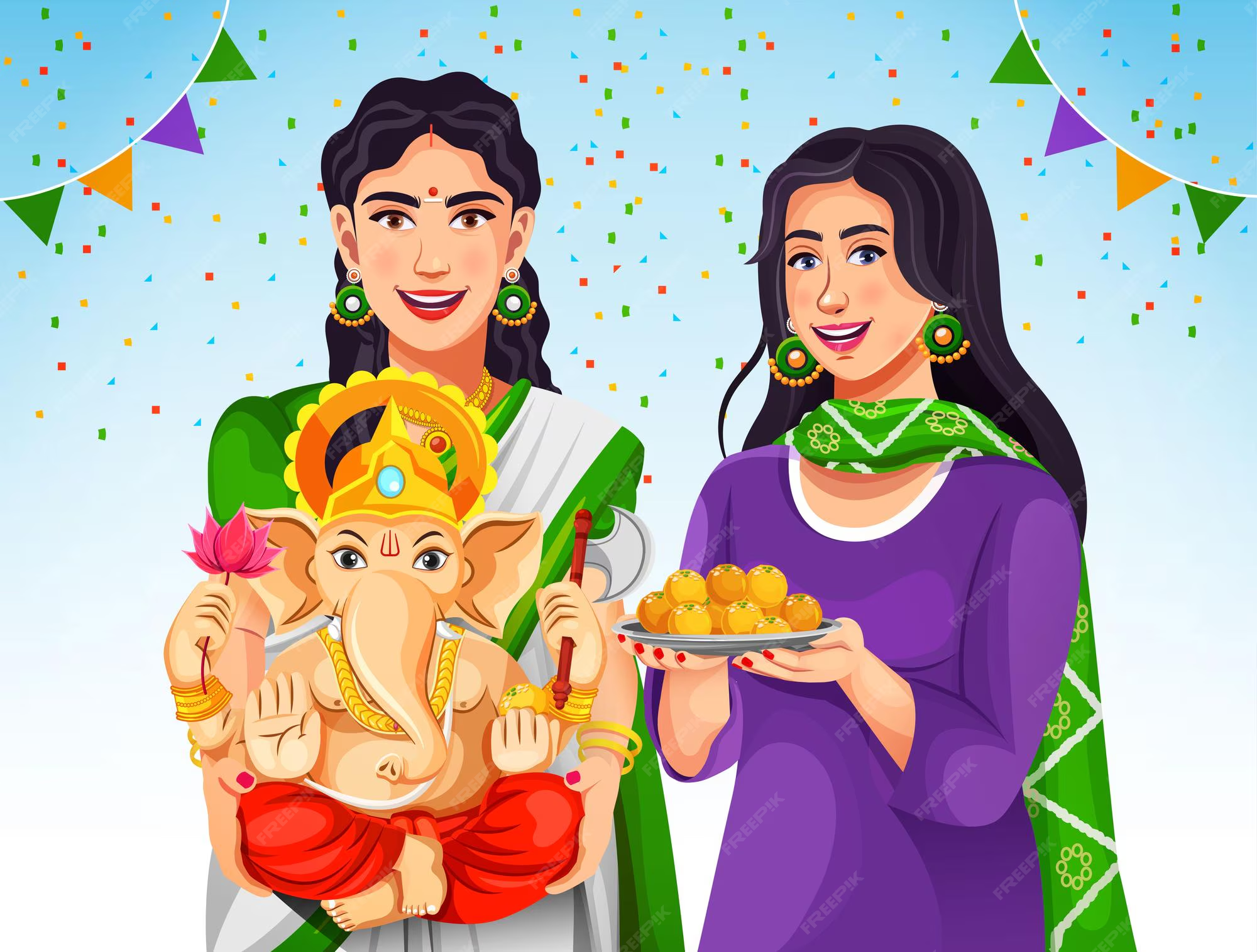
    Ganesh Chaturthi is one of the most beloved Hindu festivals, celebrating the birth of Ganesha, the remover of obstacles and the lord of new beginnings. The festival usually lasts for 10 days, beginning on the fourth day (Chaturthi) of the Hindu month of Bhadrapada. It is not merely a ritualistic celebration but a spiritual invitation to welcome wisdom, prosperity, and positivity into the home. Preparing your home for Ganesh Chaturthi begins with physical and spiritual cleansing, symbolizing the removal of negativity from life. Devotees clean their homes thoroughly and decorate the space with flowers, lights, and traditional rangoli designs at the entrance. This preparation reflects the belief that Lord Ganesha visits homes that are pure in intention and atmosphere.

    Creating a sacred space or altar is the first important step in the celebration. Choose a calm and clean area of your home where the idol will be installed. Place a wooden platform or chowki covered with a red or yellow cloth, colors associated with auspiciousness and energy. Decorate the backdrop with banana leaves, marigold garlands, and fairy lights for a festive look. The altar should face east or north, as these directions are considered spiritually powerful in Hindu tradition. Ensure that the area remains tidy and undisturbed throughout the festival days. The intention behind the decoration is not luxury but devotion and purity of heart.

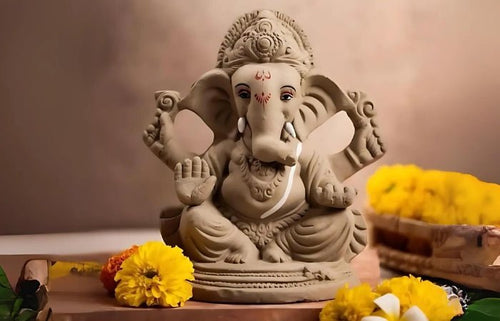
    Before bringing the idol home, family members often chant “Ganpati Bappa Morya” with joy and devotion. This chant signifies welcoming the deity as a divine guest. Remember that Ganesh Chaturthi celebrates both devotion and discipline, blending joy with sacred responsibility. Eco-friendly celebrations are increasingly encouraged, promoting clay idols and natural decorations to protect the environment. By preparing your home with reverence and mindfulness, you create a sacred atmosphere where spirituality and celebration unite beautifully.


    Idol Installation (Sthapana): Step-by-Step Ritual Guide

    The most important ritual of Ganesh Chaturthi is the idol installation, known as Sthapana. This ceremony is usually performed during an auspicious muhurat (timing), often determined using a Hindu calendar. Choosing the right time symbolizes alignment with cosmic energies and divine blessings. Before placing the idol, sprinkle Ganga water or clean water around the altar to purify the space. The idol should be placed gently on the decorated platform while chanting prayers. Ideally, the idol should face the main entrance of the house, signifying protection and positivity entering the home.

    Once the idol is placed, the ritual of Pran Pratishtha is performed, which means invoking life into the idol. Light a diya (lamp) and incense sticks to create a sacred ambiance. Offer flowers, durva grass (a favorite of Ganesha), sandalwood paste, and kumkum. The Pran Pratishtha mantra symbolizes inviting divine energy into the idol, transforming it from clay into a sacred presence. Offer 21 modaks or sweets, as they are believed to be Lord Ganesha’s favorite offering. Each offering represents gratitude and devotion rather than mere ritual practice.

    After the main puja, perform aarti with family members while singing traditional Ganesh aarti songs. The sound of bells and devotional songs fills the home with positivity and unity. The essence of idol installation lies not in perfection of ritual but in sincerity of devotion. Keep fresh flowers and light a lamp daily during the festival period. Treat the idol as an honored guest, maintaining cleanliness and respect around the altar. This sacred installation marks the beginning of a spiritually uplifting journey within your home.


    Powerful Ganesh Mantras and Daily Puja Rituals

    Daily worship during Ganesh Chaturthi strengthens spiritual connection and brings mental peace. Begin each day by lighting a diya and offering fresh flowers and fruits to the deity. Chanting mantras is considered highly auspicious and spiritually energizing. One of the most powerful mantras is: “Om Gan Ganapataye Namah.” This mantra invokes Lord Ganesha’s blessings to remove obstacles and grant clarity of thought. Chanting it 108 times enhances focus and devotion. The rhythmic repetition creates a calming vibration within the home.

    Another important chant is the Ganesh Gayatri Mantra: “Om Ekadantaya Vidmahe, Vakratundaya Dheemahi, Tanno Dantih Prachodayat.” This mantra seeks wisdom, intellect, and guidance from the elephant-headed deity. Reciting Ganesh Atharvashirsha is also considered highly beneficial during the festival days. Devotees believe that sincere chanting purifies the mind and invites prosperity. Along with mantras, offer modaks, coconut, bananas, and jaggery as prasad.

    Evening aarti is a special moment when all family members gather together. Singing “Jai Ganesh Jai Ganesh Deva” fills the environment with devotion and joy. Daily puja is not about elaborate rituals but about maintaining a consistent spiritual connection. Encourage children to participate, teaching them cultural values and spiritual discipline. Through prayer and chanting, the home transforms into a sanctuary of positivity and faith.


    Eco-Friendly and Traditional Visarjan (Immersion) Guide

    Visarjan marks the conclusion of Ganesh Chaturthi, symbolizing the return of Lord Ganesha to Mount Kailash to reunite with Shiva and Parvati. Traditionally, idols are immersed in rivers or seas, accompanied by joyous processions and chants of “Ganpati Bappa Morya, Pudhchya Varshi Lavkar Ya.” This chant expresses devotion and the hope that the Lord returns next year with greater blessings. However, environmental awareness now encourages eco-friendly immersion methods at home.

    If you have a clay idol, you can perform visarjan in a bucket or tub filled with clean water. Decorate the area and perform a final aarti before immersion. Offer flowers and pray for forgiveness for any mistakes made during the festival. Visarjan symbolizes detachment, teaching that everything in life is temporary and must eventually return to nature. Allow the clay idol to dissolve naturally, and later use the water to nourish plants, completing a cycle of sustainability.

    During the farewell, express gratitude for the blessings received during the festival. Distribute prasad among family and neighbors. The spirit of visarjan is not sorrow but joyful surrender and trust in divine timing. It reminds devotees that God resides not only in idols but within every heart. The ritual beautifully combines devotion, celebration, and environmental responsibility.


    Embracing the True Essence of Ganesh Chaturthi at Home

    Celebrating Ganesh Chaturthi at home is about cultivating faith, unity, and gratitude. While decorations and rituals add grandeur, the heart of the festival lies in devotion and humility. The true essence of Ganesh Chaturthi is welcoming wisdom, removing inner obstacles, and strengthening family bonds. Even simple celebrations done with sincerity hold immense spiritual power. Avoid excessive noise and pollution, focusing instead on meaningful prayers and eco-conscious practices.

    Involve every family member in preparations and rituals, creating shared memories and traditions. Teach children about the symbolism of Lord Ganesha’s form and the importance of respecting nature. Ganesh Chaturthi becomes a journey of inner transformation when celebrated with awareness and love. Use the festival as an opportunity to reflect on personal goals and seek divine guidance for new beginnings. Offer prayers for health, harmony, and success for all.

    As the festival concludes, carry forward the values learned during these sacred days. Remember that Lord Ganesha’s blessings continue beyond the festival when we practice wisdom, patience, and compassion daily. Ganesh Chaturthi at home becomes more than a celebration—it becomes a spiritual practice woven into everyday life. By following the rituals of idol installation, chanting mantras, and performing eco-friendly visarjan, you honor tradition while embracing responsibility. May Lord Ganesha bless your home with peace, prosperity, and endless positivity. Ganpati Bappa Morya!

  • The Birth of Lord Ganesha and Why He Is Worshipped First: The Sacred Story Behind the Remover of Obstacles

    The Birth of Lord Ganesha and Why He Is Worshipped First: The Sacred Story Behind the Remover of Obstacles

    The Divine Creation of Lord Ganesha by Goddess Parvati

    The birth of Ganesha is one of the most spiritually profound stories in Hindu mythology, symbolizing divine love, protection, and sacred power. According to ancient scriptures, Goddess Parvati, the consort of Lord Shiva, created Ganesha from the turmeric paste she used for her bath. She molded the paste into the form of a young boy and breathed life into him with her divine energy. This act represents the creative power of the feminine divine, showing that life itself can emerge from pure intention and spiritual strength. Parvati assigned the boy a sacred duty—to guard her chambers while she bathed and to allow no one to enter without her permission. From the very moment of his creation, Ganesha symbolized obedience, loyalty, and unwavering devotion.

    This divine creation was not merely physical but deeply symbolic of maternal protection and spiritual authority. Ganesha was born without the involvement of Shiva, emphasizing Parvati’s independent power as a goddess. This narrative highlights the strength and autonomy of the Divine Mother in Hindu philosophy. When Shiva later returned and attempted to enter Parvati’s chamber, Ganesha, unaware of Shiva’s identity, refused him entry. This innocent act of obedience set the stage for one of the most transformative moments in Hindu mythology. The story teaches that duty and righteousness sometimes require standing firm, even before great authority.

    The birth of Ganesha also symbolizes the creation of purity from earthly elements. Turmeric, used in the story, is sacred in Indian culture and represents healing and auspiciousness. Thus, Ganesha’s very body was formed from purity and sanctity. This origin story reveals that divinity is not distant but present in the simplest elements of nature. His birth marks the beginning of a spiritual journey that teaches faith, courage, and transformation. The creation of Ganesha reminds devotees that divine protection is always born from love and intention.


    The Beheading and the Gift of the Elephant Head

    The most dramatic event in Ganesha’s life is his beheading by Lord Shiva. When Shiva attempted to enter Parvati’s chamber, Ganesha blocked his way, fulfilling his mother’s command. Shiva, angered by this unknown boy’s defiance, engaged in a fierce battle with him. Despite being a child, Ganesha displayed extraordinary courage and strength. His bravery symbolizes unwavering commitment to duty, even in the face of overwhelming power. Eventually, Shiva severed Ganesha’s head with his trident, an act that shook the heavens.

    When Parvati discovered what had happened, her grief turned into cosmic rage. She threatened to destroy the universe unless her son was restored to life. This moment emphasizes the boundless power of a mother’s love and the destructive force of divine sorrow. To calm her, Shiva promised to bring Ganesha back to life. He instructed his followers to bring the head of the first living being they encountered facing north. They returned with the head of an elephant, which Shiva placed upon Ganesha’s body, reviving him.

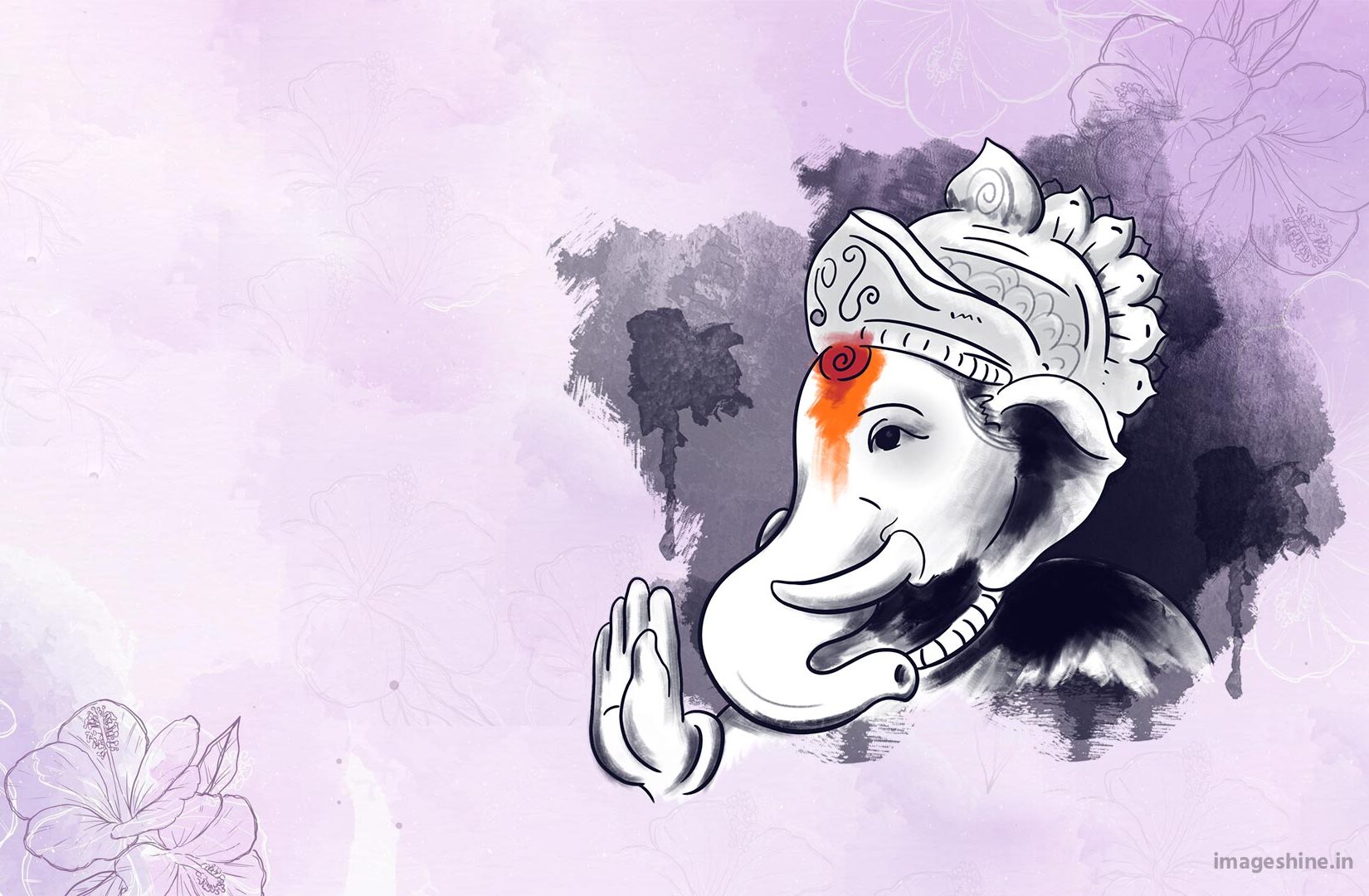
    The elephant head carries deep symbolism in Hindu philosophy. Elephants represent wisdom, strength, and intelligence. By giving Ganesha an elephant’s head, Shiva transformed him into a symbol of supreme intellect and spiritual insight. The large ears signify the importance of listening, the small eyes represent focus, and the trunk symbolizes adaptability. This transformation teaches that even tragedy can lead to divine elevation and greater purpose. From that moment onward, Ganesha became a unique deity—half human, half elephant—embodying the balance between earthly existence and higher consciousness.


    Why Lord Ganesha Is Worshipped First

    After restoring Ganesha to life, Shiva granted him a divine boon that changed spiritual practice forever. He declared that Ganesha would be worshipped before any other god in every ritual and ceremony. This proclamation established Ganesha as the remover of obstacles and the guardian of beginnings. From weddings to business ventures, from housewarmings to festivals, devotees first invoke his blessings to ensure success and harmony. This sacred tradition continues across India and the world today.

    The reason behind this honor lies in the lesson of humility and wisdom. Ganesha once competed with his brother Kartikeya in a race around the universe. While Kartikeya traveled far and wide, Ganesha simply circled his parents, declaring that they represented his entire universe. This act demonstrated profound understanding—that true knowledge lies in recognizing the divine source of all creation. Pleased by his wisdom, the gods reaffirmed his status as the first among equals. Thus, Ganesha became the embodiment of intelligence over speed and wisdom over pride.

    Spiritually, worshipping Ganesha first symbolizes clearing mental and emotional barriers before embarking on any journey. His name “Vighnaharta” means remover of obstacles, and “Ganapati” means leader of the celestial beings. Invoking Ganesha signifies aligning oneself with clarity, discipline, and divine guidance. He is not just worshipped for material success but for spiritual awakening. By honoring Ganesha first, devotees acknowledge that every beginning requires wisdom and humility.


    The Symbolism Behind Ganesha’s Form and Attributes

    Every aspect of Ganesha’s appearance holds spiritual meaning and philosophical depth. His large head symbolizes expansive thinking and wisdom. It reminds devotees to think big and cultivate higher understanding. His small mouth teaches restraint in speech, while his large ears encourage attentive listening. The broken tusk signifies sacrifice and the ability to retain good while discarding negativity. This teaches balance between strength and sensitivity.

    Ganesha’s vehicle, the mouse, represents desire and restlessness. By riding the mouse, Ganesha shows mastery over desires and ego. This symbolizes control over the mind’s wandering tendencies. In his hands, he often holds a modak (sweet), representing the sweetness of spiritual knowledge. Other objects like the axe and lotus symbolize detachment and enlightenment. Each symbol conveys that spiritual growth requires discipline, awareness, and compassion.

    Even his pot-bellied form represents acceptance of life’s experiences—both pleasant and painful. Ganesha teaches that true wisdom comes from digesting all experiences with patience. His posture reflects calm authority, reminding devotees to remain steady amid chaos. Through his form, he communicates profound philosophical teachings in a simple, accessible way. Thus, Ganesha’s image itself is a living scripture of spiritual truth.


    The Spiritual Significance of Ganesha in Modern Life

    In today’s fast-paced world, the relevance of Ganesha’s teachings remains powerful and transformative. Festivals like Ganesh Chaturthi celebrate his birth with devotion and grandeur across India. Homes and communities install idols, perform rituals, and immerse the idols in water after days of prayer. This festival symbolizes renewal, devotion, and the cyclical nature of life. Beyond tradition, Ganesha inspires individuals to overcome internal fears and limitations.

    Students pray to him before exams, entrepreneurs seek his blessings before launching ventures, and families invoke him at weddings. This reflects the universal belief that success begins with clarity of mind and removal of doubt. Ganesha’s story teaches resilience—how even loss and transformation can lead to greatness. In a world filled with uncertainty, his calm smile reassures devotees that obstacles are stepping stones.

    More than mythology, Ganesha represents a philosophy of living wisely and compassionately. He reminds humanity that humility, intelligence, and devotion are the keys to lasting success. Worshipping him first is not merely ritualistic but symbolic of preparing the mind and heart for any new chapter. His presence in homes and temples serves as a daily reminder of hope and guidance. Thus, the birth of Ganesha is not just an ancient legend but an eternal message of faith, transformation, and divine grace.


    Final Reflection

    The story of Lord Ganesha’s birth and his unique place in Hindu worship carries timeless spiritual wisdom. From his miraculous creation by Parvati to his transformation by Shiva, every moment reflects deeper truths about life and consciousness. His life teaches that obedience, courage, and wisdom lead to divine recognition. Being worshipped first symbolizes the importance of beginning every endeavor with clarity and reverence.

    In every prayer that starts with “Om Gan Ganapataye Namah,” devotees reaffirm faith in the remover of obstacles. Lord Ganesha stands as the eternal guardian of beginnings, reminding us that with wisdom and humility, every obstacle can become an opportunity.