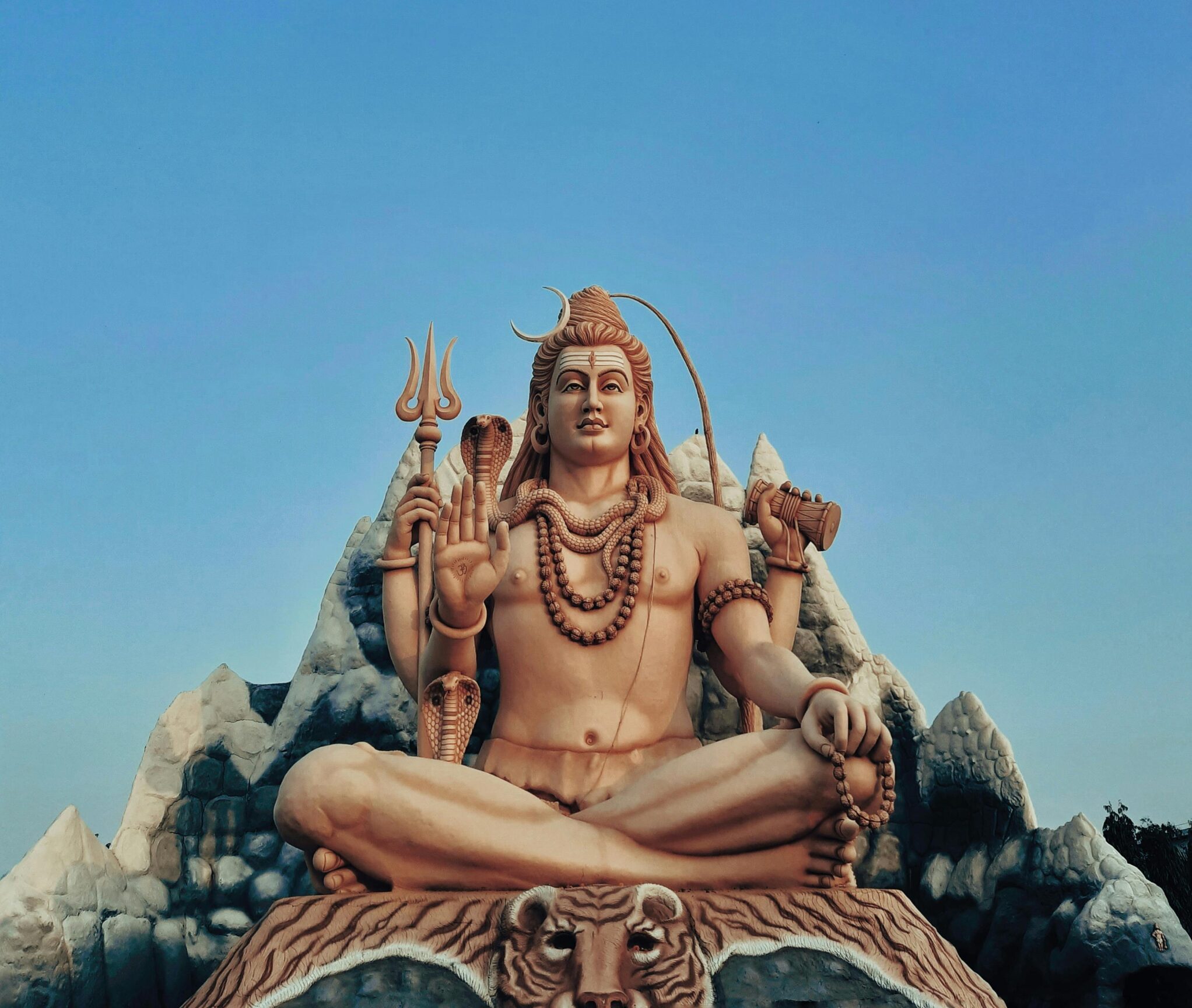
Category: Spirituality

  • Adapting the Wisdom of Lord Shiva: Eternal Principles for Modern Life

    Adapting the Wisdom of Lord Shiva: Eternal Principles for Modern Life

    Civilizations rise and fall. Technology transforms the way we live. Generations redefine identity, success, love, and purpose. Yet across centuries, one figure continues to sit in stillness — untouched by trends, unmoved by time. That figure is Shiva.

    The question of relevance often comes from a place of doubt: Can an ancient deity truly guide modern life? But perhaps the better question is this — What if Shiva was never bound to a time period at all?
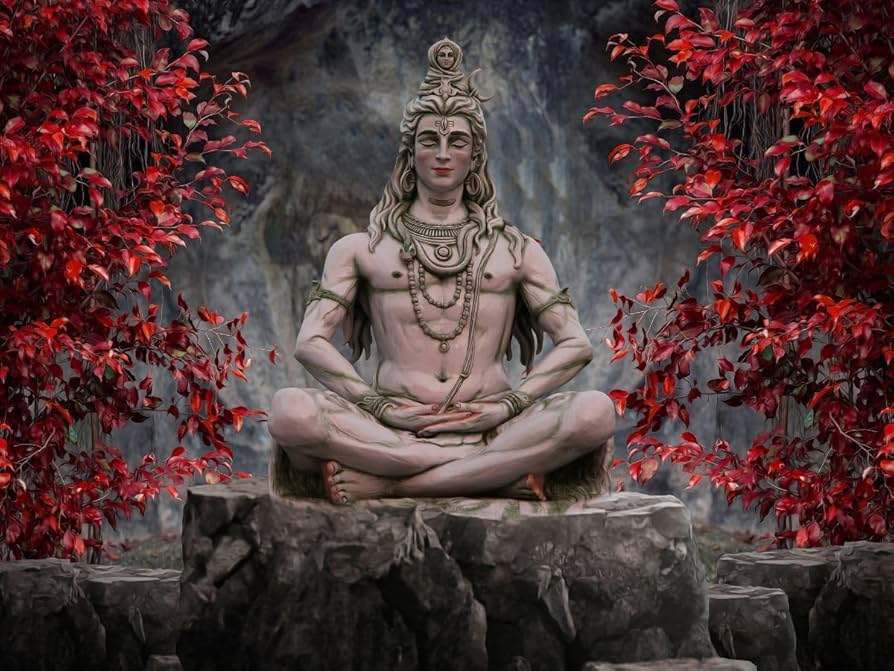
    Lord Shiva

    Because Shiva is not merely a mythological character. He is a symbolic blueprint of human evolution — psychological, emotional, and spiritual. His stories endure not because they are old, but because they are timeless.

    Let us explore why.

    The Power of Stillness in Every Age

    Long before productivity systems and performance metrics defined success, Shiva was depicted in meditation — eyes closed, seated in deep awareness atop Mount Kailash.

    Stillness is not fashionable. It does not trend. It does not shout.

    And yet, across all eras, the human mind has faced the same core struggles — distraction, fear, desire, restlessness. Shiva’s meditation represents mastery over the inner world.

    Empires have changed. Tools have changed. But the human mind has not evolved as quickly as technology. We still wrestle with anxiety. We still struggle with comparison. We still search for meaning.

    Shiva reminds us that peace is not found in external accumulation but in internal alignment.

    Meditation, reflection, silence — these are not religious acts. They are timeless disciplines of self-awareness. The lesson is evergreen because the human condition is evergreen.

    Destruction as a Necessary Phase of Growth

    Shiva is often called “The Destroyer,” part of the cosmic trinity alongside Brahma and Vishnu. At first glance, destruction feels ominous. But look at nature.

    Forests burn — and regrow stronger.
    Seasons end — and begin again.
    Cells die — and renew.

    Destruction is not the opposite of creation. It is part of the cycle. Across centuries, human beings have feared endings — the end of relationships, careers, identities, even beliefs. Yet every meaningful transformation begins with letting go.

    Shiva’s role as destroyer teaches an eternal truth: growth requires release.

    The courage to outgrow an outdated version of yourself is as relevant today as it was thousands of years ago. His symbolism reassures us that endings are not failures — they are transitions.

    The Balance Within: Beyond Division

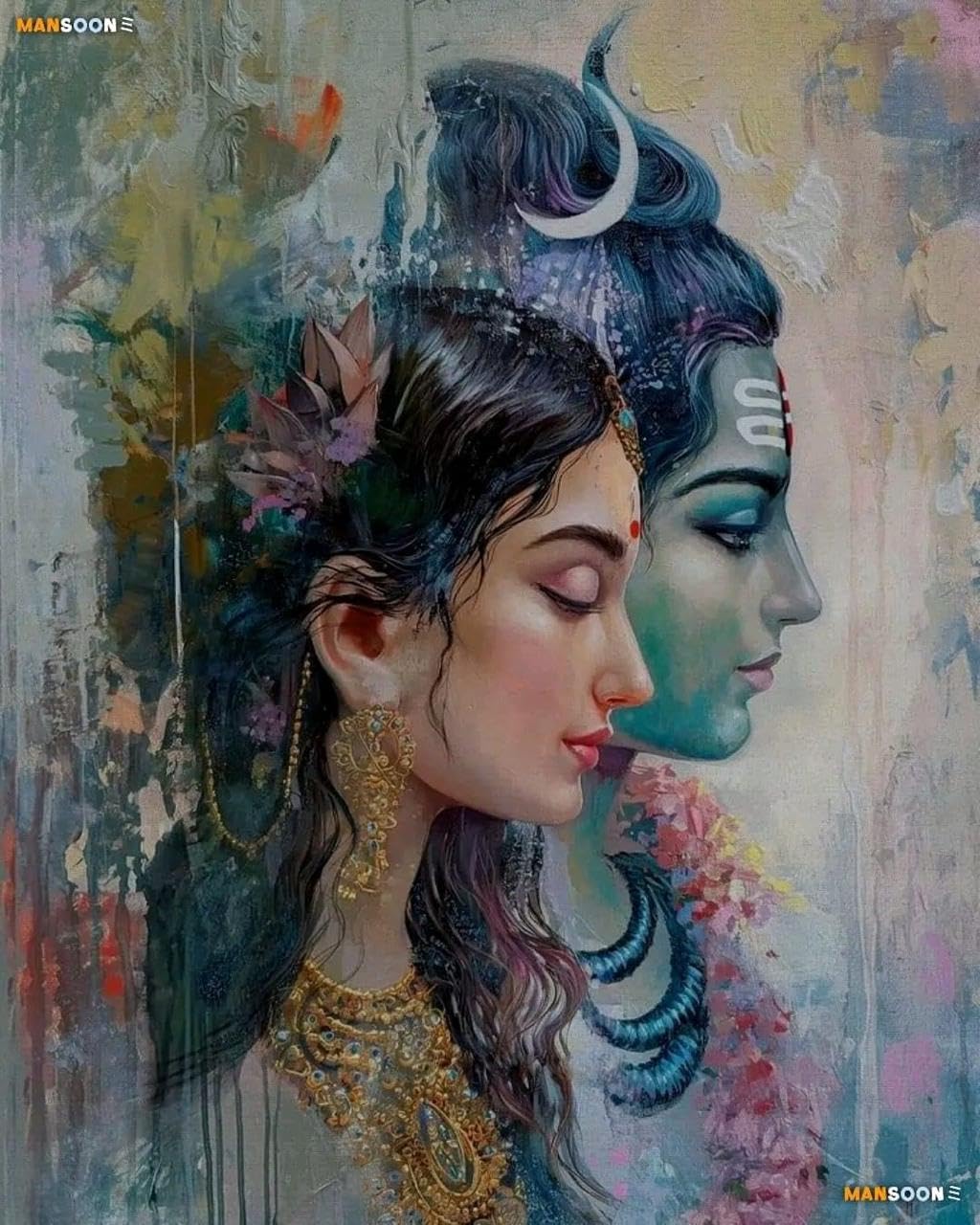
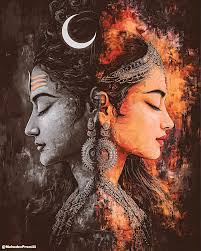
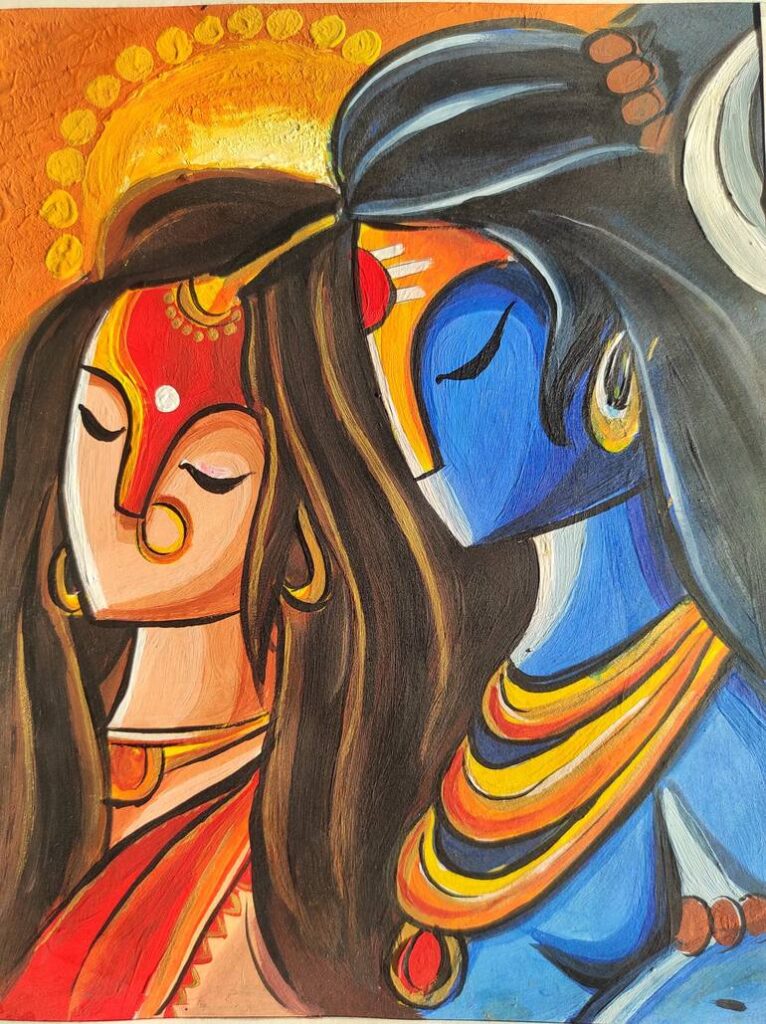
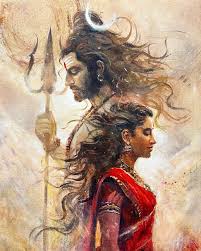
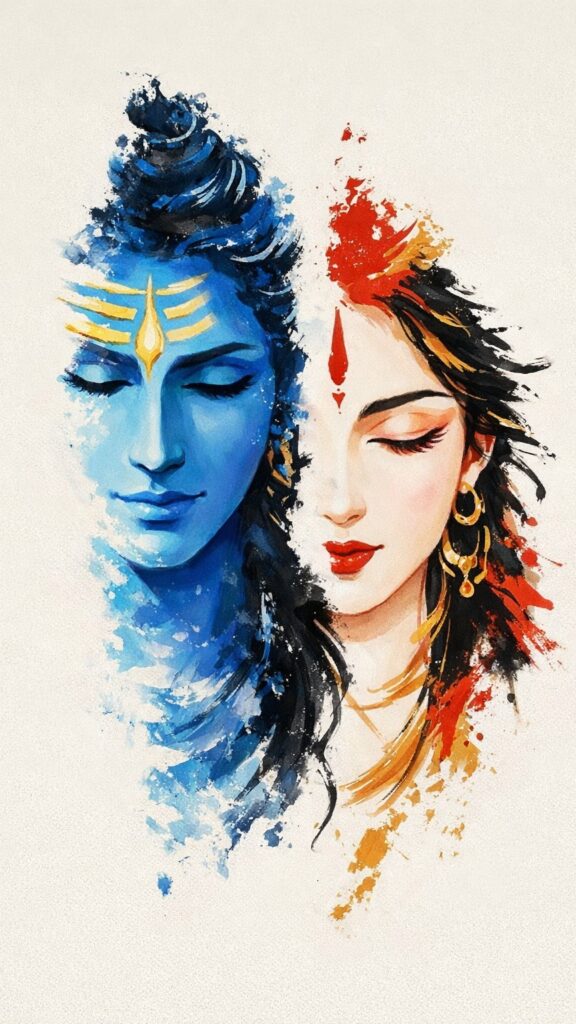
    One of the most profound representations of Shiva is Ardhanarishvara, the form in which he appears united with Parvati — half masculine, half feminine.

    This image transcends social structures and time-bound debates. It speaks to an eternal principle: wholeness comes from integration. Every human being carries logic and intuition. Strength and tenderness. Action and receptivity.
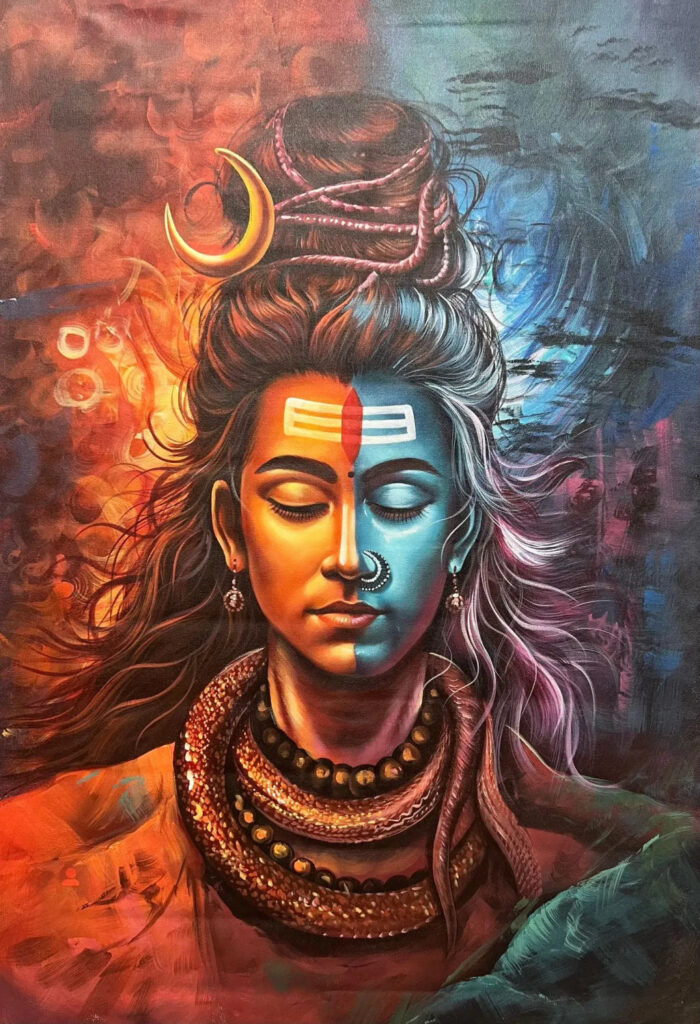
    When one dominates excessively, imbalance follows. The symbol of Ardhanarishvara does not belong to one generation’s conversation about identity. It belongs to the universal human journey toward harmony within.

    Across centuries, societies have struggled with division — between genders, ideologies, cultures. Shiva’s integrated form suggests a deeper truth: unity begins internally. This lesson does not expire.


    Detachment in a World of Desire

    Shiva is depicted wearing simple garments, smeared in ash, seated in nature rather than palaces. While other deities are adorned with jewels and gold, Shiva remains austere.

    Ash, in symbolism, represents the end state of all material forms. Everything eventually turns to ash. The message is subtle but powerful: nothing external is permanent.

    Every era has faced the temptation of material attachment — whether it was land, wealth, power, status, or influence. While the forms of desire change, the impulse remains constant.

    Shiva’s detachment is not rejection of the world. It is freedom from dependence on it. He shows that true strength lies not in possession, but in independence from possession. That principle holds true whether in ancient kingdoms or modern economies.


    The Story of the Poison: Responsibility Over Comfort

    In the legend of the cosmic ocean churning, a deadly poison emerged that threatened existence itself. Shiva chose to consume it, holding it in his throat to protect creation, earning the name Neelkanth.

    Symbolically, this story transcends mythology.
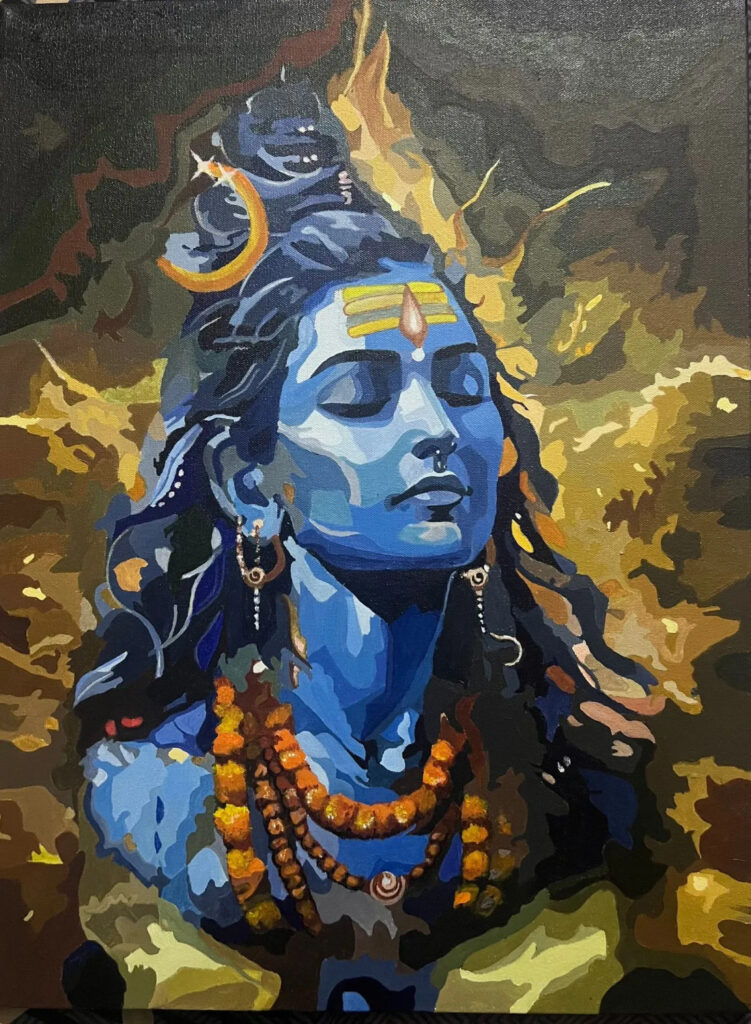
    Every era faces collective challenges. Every family, community, and generation encounters moments when someone must step forward and absorb difficulty to prevent greater harm.

    To “drink poison” does not mean self-destruction. It means accepting responsibility without spreading negativity. It means transforming pain rather than amplifying it.

    Across history, societies have progressed because individuals chose responsibility over comfort. Shiva’s act is a metaphor for courage and emotional resilience — qualities that never lose relevance.

    Read More : The Eternal Love Story of Lord Shiva and Goddess Parvati — The Heart of Mahashivratri

    The Cosmic Dance: Accepting Change

    As Nataraja, Shiva performs the Tandava — the cosmic dance of creation and dissolution.

    Change is the only constant across time. Languages evolve. Borders shift. Traditions adapt. Knowledge expands. Resistance to change creates suffering. Alignment with change creates growth.

    The dance of Nataraja symbolizes that destruction and creation are not separate events — they are rhythmic movements of the same cycle. This is not a lesson limited to one era of social transformation or technological revolution. It is a universal law.

    When we learn to “dance” with life rather than control it rigidly, we move in harmony with existence itself.

    Love as Partnership, Not Possession

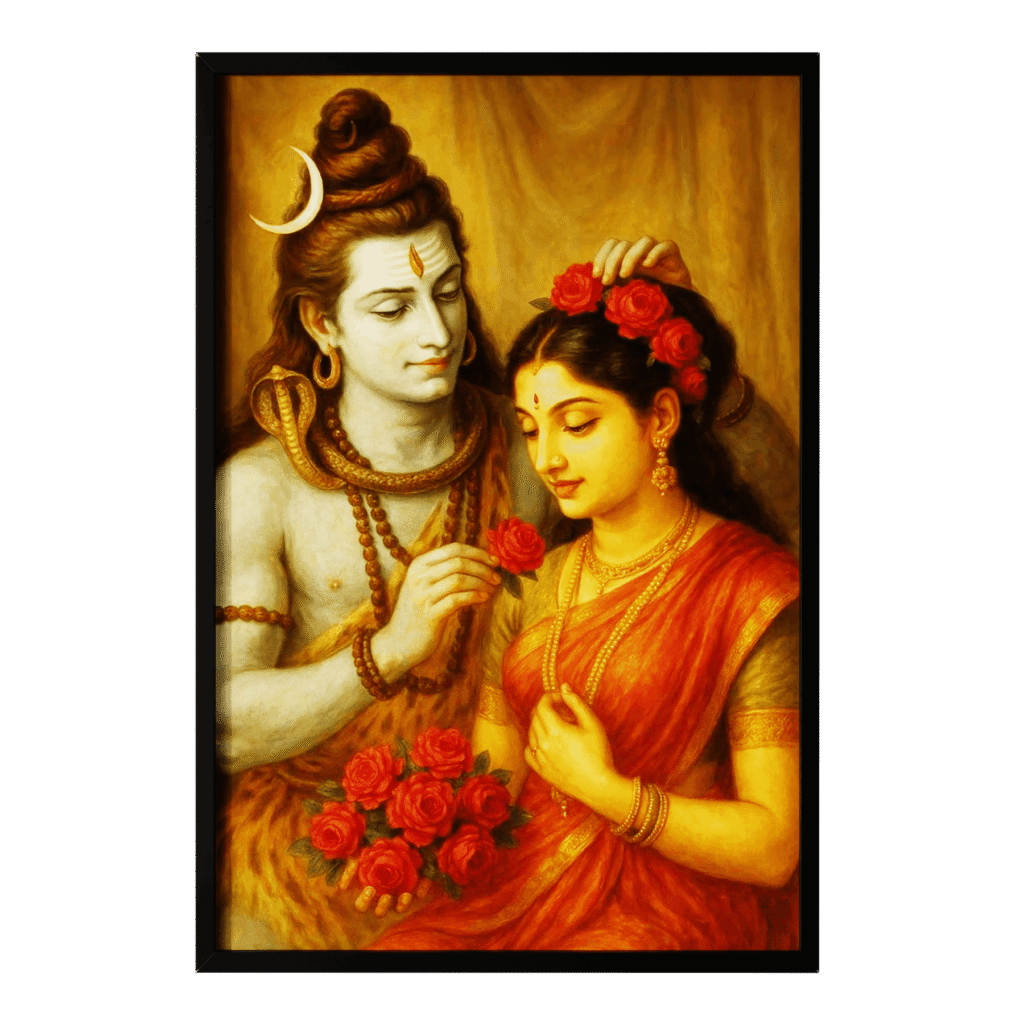
    The relationship between Shiva and Parvati is often portrayed as one of deep devotion and spiritual equality. Parvati undertakes profound effort to unite with him. Shiva, the ascetic, learns to embrace worldly love without losing inner stillness.

    Their union represents partnership built on growth, respect, and balance. Across centuries, cultures have debated the nature of love — romantic, spiritual, practical. Yet the essential longing remains unchanged: to be understood and to evolve alongside another.

    Shiva’s story teaches that love is not about dominance or dependency, but about shared awakening. That truth resonates beyond time.

    The Third Eye: Awareness Beyond Illusion

    Shiva’s third eye symbolizes higher perception — the ability to see beyond surface appearances.

    Human beings have always been susceptible to illusion — whether through power, ideology, pride, or ego. While the specific illusions of each era differ, the core challenge remains the same: distinguishing truth from distortion. The third eye represents awareness, discernment, and insight. When opened in mythology, it burns falsehood.

    In practical terms, this symbolizes clarity of thought and self-awareness. It reminds us to question assumptions, to observe before reacting, and to look beyond appearances. Wisdom is timeless because ignorance is timeless.


    Why Shiva Endures

    Many mythological figures are bound to cultural contexts. Shiva transcends them because his symbolism addresses universal human experiences: The struggle with the mind. The inevitability of change. The necessity of balance. The courage to let go. The responsibility to act. The search for truth.

    He is paradox embodied — ascetic yet householder, destroyer yet compassionate, fierce yet meditative.

    Perhaps that is why he endures. Human beings are paradoxical too. We seek success but crave peace. We desire connection but fear vulnerability. We resist change but long for growth. Shiva does not resolve these contradictions by eliminating them. He harmonizes them.

    An Eternal Archetype, Not a Passing Trend

    Relevance is often tied to fashion — what aligns with the current mood of society. But timelessness is different. Timelessness speaks to the underlying patterns of human existence. Shiva is timeless because he represents processes that never cease: creation, preservation, destruction, transformation.

    Whether one approaches him through devotion, philosophy, symbolism, or psychology, the lessons remain intact. You do not have to stand in a temple to learn from Shiva.

    You learn from him when you sit quietly with your thoughts. When you release what no longer serves you. When you choose balance over extremes. When you accept change instead of resisting it. When you act responsibly in difficult times.
    When you seek truth beyond illusion.

    That is why Shiva is not confined to the past.

    He is an eternal mirror — reflecting the human journey in every age. And as long as human beings continue to grow, struggle, love, fear, evolve, and awaken, the lessons of Lord Shiva will remain — not as relics of mythology, but as living wisdom woven into the fabric of existence itself.
  • How to Celebrate Diwali the Traditional Way: Lakshmi Puja Vidhi, Muhurat, and Ritual Guide

    How to Celebrate Diwali the Traditional Way: Lakshmi Puja Vidhi, Muhurat, and Ritual Guide

    Introduction: The Sacred Essence of Traditional Diwali

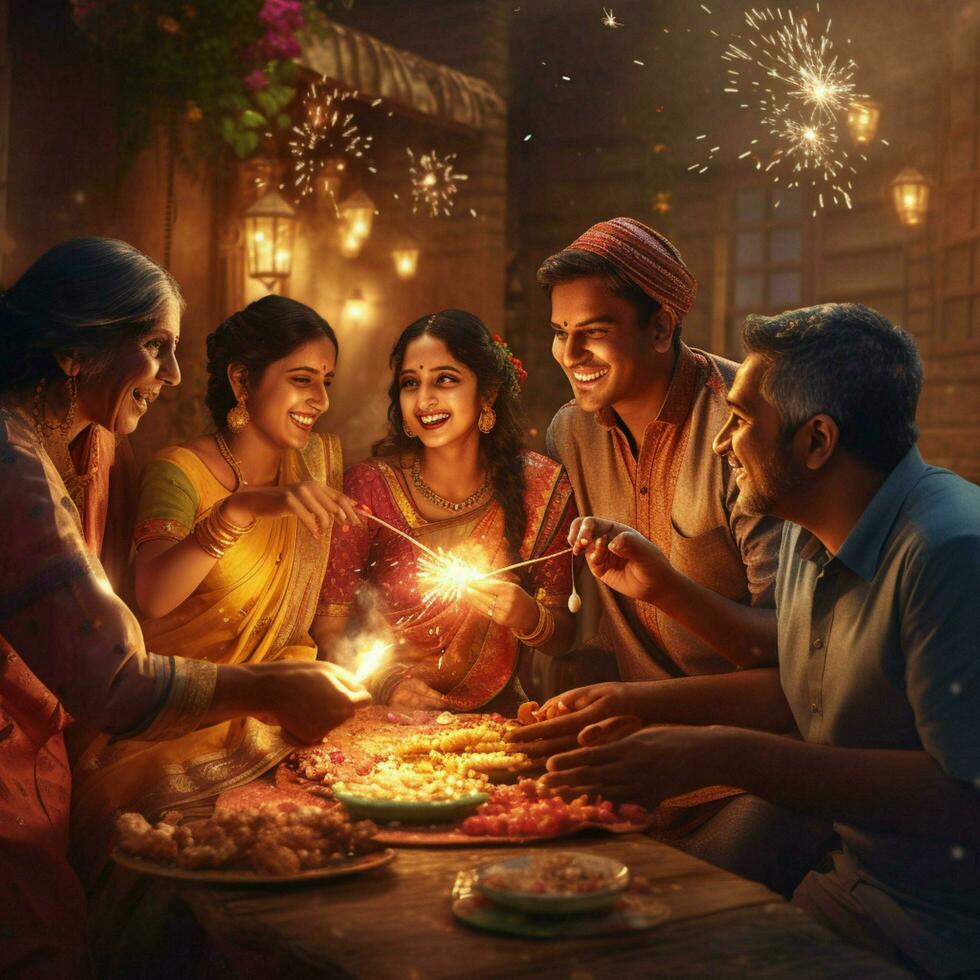
    Diwali, also known as Deepavali, is one of the most spiritually significant festivals in Hindu tradition. While modern celebrations often highlight fireworks, shopping, and sweets, the true essence of Diwali lies in devotion, purification, and divine blessings. The festival commemorates the return of Lord Rama to Ayodhya and also marks the worship of Goddess Lakshmi, the deity of wealth, prosperity, and abundance.

    Celebrating Diwali the traditional way involves mindful preparation, observing auspicious timings (muhurat), performing Lakshmi Puja with devotion, and maintaining spiritual discipline. The rituals are designed to cleanse the home and heart, inviting positive energy and prosperity. Diwali is not merely about external light; it is about awakening inner illumination and gratitude.

    By understanding the authentic Lakshmi Puja Vidhi and its spiritual significance, families can celebrate Diwali with deeper meaning. Traditional Diwali rituals connect us to ancient wisdom, divine grace, and the timeless victory of light over darkness.


    Preparing for Diwali: Cleansing and Spiritual Readiness

    Traditional Diwali celebrations begin days in advance with thorough cleaning of the home. This practice symbolizes the removal of negativity, clutter, and stagnant energy. It is believed that Goddess Lakshmi visits homes that are clean, organized, and filled with positivity.

    Families repaint walls, decorate entrances, and create colorful rangoli designs to welcome prosperity. The entrance door is often adorned with torans made of mango leaves or marigold flowers. These decorations signify auspiciousness and joy. Cleaning the home is considered a sacred act of inviting divine blessings and spiritual renewal.

    Preparation also includes mental purification — letting go of grudges, forgiving others, and cultivating gratitude. True readiness for Lakshmi Puja begins within the heart, not just within the home.


    Understanding the Significance of Lakshmi Puja

    Lakshmi Puja is the central ritual of Diwali, performed on the Amavasya (new moon night) of the Kartik month. On this night, the darkness of the sky symbolizes ignorance, and the lighting of lamps represents spiritual awakening. Goddess Lakshmi is worshipped along with Lord Ganesha, who removes obstacles.

    Lakshmi represents prosperity, wealth, fortune, and abundance, but her blessings extend beyond material riches. She symbolizes harmony, well-being, and spiritual growth. Worshipping Lakshmi is not merely about wealth; it is about inviting balance, purity, and divine grace into life.

    The puja strengthens faith and aligns the family with sacred vibrations. Lakshmi Puja is a sacred bridge between devotion and prosperity.


    Lakshmi Puja Muhurat: Choosing the Auspicious Time

    Performing Lakshmi Puja during the correct muhurat is considered highly important. The most auspicious time is during Pradosh Kaal (after sunset) when the new moon night begins. The exact timing varies each year according to the Hindu lunar calendar.

    The ideal muhurat usually falls within a 1–2 hour window in the evening. It is believed that performing the puja during this sacred period maximizes spiritual benefits. Families often consult a panchang (Hindu almanac) for precise timing. Observing the correct muhurat aligns human action with cosmic energy and divine rhythm.

    Lighting diyas before the muhurat and beginning the puja with focused devotion enhances its spiritual impact. Sacred timing transforms a ritual into a powerful spiritual experience.


    Lakshmi Puja Vidhi: Step-by-Step Ritual Guide

    To perform Lakshmi Puja traditionally, begin by bathing and wearing clean or new clothes. Prepare a clean altar in the northeast direction of the home. Place idols or images of Goddess Lakshmi and Lord Ganesha on a raised platform.

    Spread a red or yellow cloth on the altar, as these colors symbolize prosperity and purity. Place kalash (a copper pot filled with water) with mango leaves and a coconut on top. Arrange offerings such as flowers, fruits, sweets, incense sticks, diya, turmeric, kumkum, rice grains, and coins. Every element in the puja setup represents abundance, devotion, and gratitude.

    Begin by invoking Lord Ganesha to remove obstacles. Then chant Lakshmi mantras and offer flowers and sweets. Perform aarti with devotion and conclude with prayers for prosperity and harmony. The sincerity of devotion matters more than elaborate arrangements.


    Importance of Lighting Diyas and Decorating with Rangoli

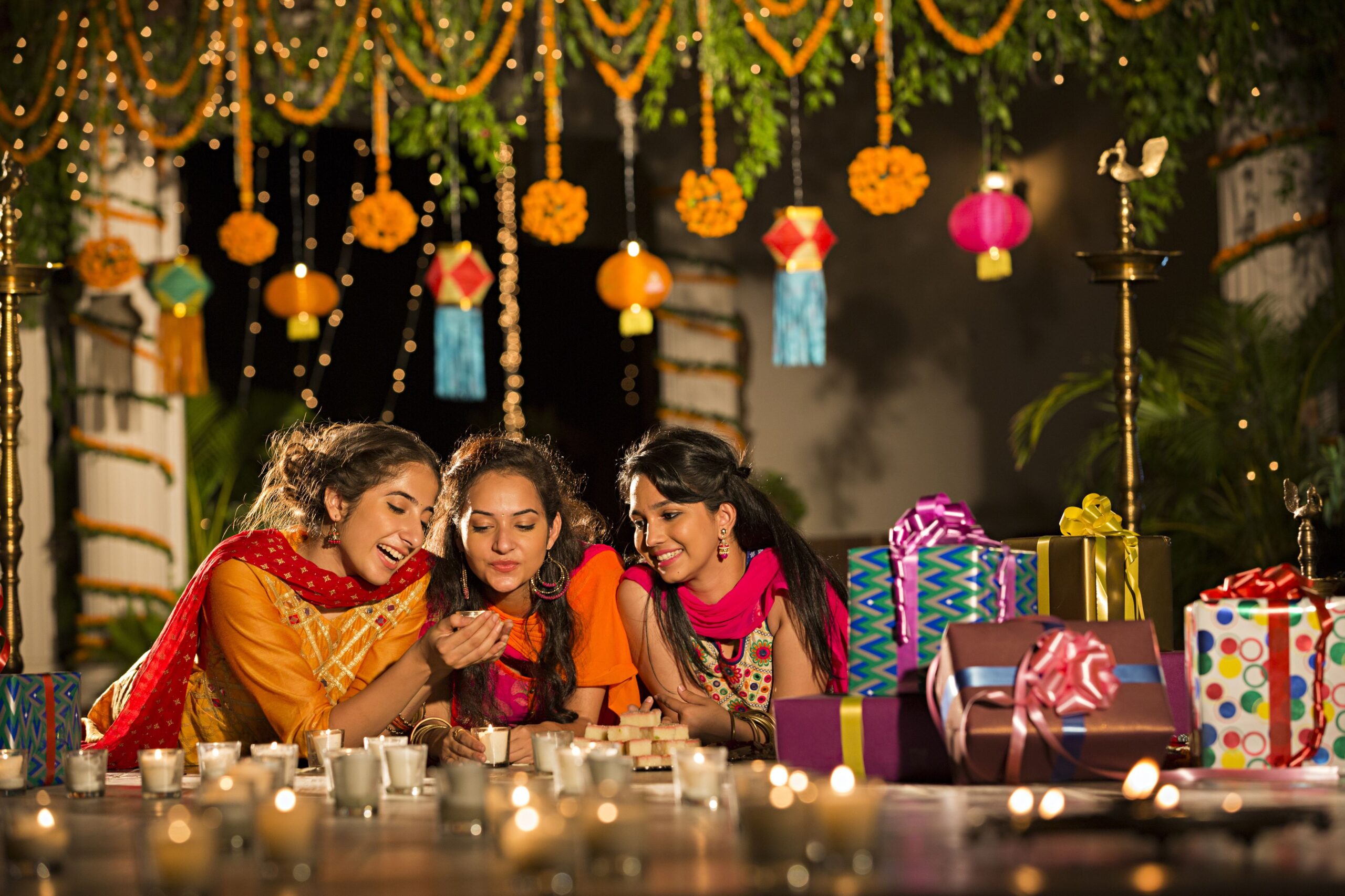
    Lighting diyas is one of the most iconic Diwali traditions. Oil lamps are placed at the entrance, windows, balconies, and puja room. The warm glow of diyas symbolizes knowledge and spiritual clarity.

    Rangoli designs created with colorful powders at the entrance invite positive energy and symbolize welcoming Goddess Lakshmi. Traditional motifs include lotus flowers, footprints of Lakshmi, and geometric patterns. The diya’s flame represents the victory of wisdom over ignorance.

    Decorating the home mindfully fosters a festive and sacred atmosphere. Each lamp lit during Diwali becomes a symbol of hope, faith, and divine presence.


    Traditional Offerings and Prasad

    Offerings made during Lakshmi Puja reflect gratitude and devotion. Common prasad includes sweets like laddoos, barfi, kheer, and dry fruits. Coins and currency notes are also placed before the deity as symbols of wealth.

    After the puja, prasad is distributed among family members and guests, symbolizing shared prosperity and unity. Offering homemade sweets enhances the purity of the ritual. Prasad represents blessings received and gratitude expressed.

    Sharing food strengthens bonds and spreads joy. In traditional Diwali celebrations, giving and sharing are as important as receiving blessings.


    Maintaining Spiritual Discipline During Diwali

    Traditional Diwali celebrations emphasize discipline and positivity. Families wake up early, chant prayers, and avoid negative speech or actions. Charity and donations are considered highly auspicious during this time.

    Helping the less fortunate reflects Lakshmi’s blessings in action. Donating food, clothes, or money brings spiritual fulfillment. Generosity during Diwali multiplies divine blessings and spreads collective happiness.

    Maintaining calmness, gratitude, and humility enhances the festival’s spiritual impact. Diwali is a time to elevate the soul through kindness and compassion.


    Beyond Rituals: Embracing the True Spirit of Diwali

    While rituals are essential, the deeper meaning of Diwali lies in transformation. It is a time to reflect on personal growth and overcome inner darkness such as anger, jealousy, and ego.

    Forgiveness and reconciliation are key aspects of traditional celebrations. Families strengthen relationships and begin anew with positivity. The real light of Diwali shines in hearts filled with love and harmony.

    By celebrating with devotion and awareness, Diwali becomes a life-changing spiritual event. Traditional Diwali is not about extravagance but about spiritual awakening and gratitude.


    Conclusion: Celebrating Diwali with Devotion and Authenticity

    Celebrating Diwali the traditional way reconnects us with ancient wisdom and sacred values. From cleaning the home and observing muhurat to performing Lakshmi Puja with sincerity, each ritual carries deep meaning.

    The festival reminds us that prosperity flows where purity, gratitude, and righteousness reside. By embracing authentic traditions, we preserve the spiritual essence of Diwali for future generations. True Diwali celebration is about illuminating the home, the mind, and the soul.

    May this Diwali bring peace, prosperity, and divine blessings into your life. Let every diya you light become a beacon of hope, faith, and spiritual awakening.

  • How Rama’s Return to Ayodhya Became the Festival of Lights: The True Story of Diwali

    How Rama’s Return to Ayodhya Became the Festival of Lights: The True Story of Diwali

    Introduction: The Eternal Significance of Diwali

    Diwali, known as Deepavali in Sanskrit, literally means “a row of lights.” It is one of the most sacred and widely celebrated festivals in India and among Hindu communities around the world. While today it is associated with glittering diyas, sparkling fireworks, festive sweets, and joyful family gatherings, its deepest roots lie in the epic narrative of Lord Rama described in the ancient scripture Ramayana. The return of Rama to Ayodhya after fourteen years of exile and his victory over Ravana became the spiritual foundation of what we now celebrate as Diwali.

    For devotees, Diwali is not simply a festival of material celebration but a spiritual reminder of righteousness, sacrifice, and divine justice. The lighting of lamps symbolizes the triumph of knowledge over ignorance and virtue over vice. Diwali represents the eternal victory of light over darkness, hope over despair, and dharma over adharma.

    To truly understand Diwali, we must revisit the sacred journey of Rama — a journey filled with trials, devotion, courage, and ultimate triumph. The story of Diwali is not just history; it is a living message for every generation.


    Ayodhya and the Promise of a Righteous King

    Ayodhya, the prosperous kingdom ruled by King Dasharatha, was known for its peace and righteousness. Rama, the eldest son of Dasharatha, was admired for his noble character, wisdom, and compassion. The people eagerly awaited his coronation as king. However, destiny had different plans.

    Due to a boon granted to Queen Kaikeyi in the past, Dasharatha was bound by promise to send Rama into exile for fourteen years and crown Bharata instead. Despite the injustice, Rama accepted the exile calmly, placing his father’s honor above his own comfort. His obedience demonstrated that true greatness lies in upholding truth, even at personal cost.

    This moment marked the beginning of a transformative journey. Rama’s exile was not a fall from grace but the unfolding of divine purpose.


    Fourteen Years of Exile: Trials and Spiritual Strength

    Rama’s exile was not merely a physical journey into the forest; it was a spiritual journey of endurance and faith. Accompanied by Sita and Lakshmana, he lived a life of simplicity, protecting sages and upholding righteousness wherever he went.

    The forest years symbolized life’s inevitable hardships. Rama faced challenges without bitterness or resentment. Sita’s unwavering support and Lakshmana’s loyalty reflected the strength of family bonds rooted in devotion. The exile teaches that dignity and integrity must remain intact even during adversity.

    These fourteen years shaped Rama’s destiny and prepared him for the greater battle ahead. Hardship became the path through which divine virtue was revealed.


    The Abduction of Sita: A Turning Point

    The peaceful exile was disrupted when Ravana, the powerful king of Lanka, abducted Sita through deception. Ravana’s act symbolized ego, pride, and misuse of power. It was not just a personal conflict but a cosmic battle between good and evil.

    Rama’s grief transformed into determination. With the help of Hanuman and the Vanara army led by Sugriva, he set out to rescue Sita. The building of the bridge to Lanka, known as Rama Setu, symbolized faith and teamwork overcoming impossibility. The quest to rescue Sita became a mission to restore moral balance in the world.

    This event marked the escalation from exile to epic confrontation. It showed that evil may challenge righteousness, but it cannot extinguish it.


    The Battle of Lanka and the Fall of Ravana

    The battle between Rama and Ravana was monumental. Ravana, though learned and powerful, allowed arrogance to dominate his wisdom. Rama, guided by dharma, fought not out of hatred but out of duty.

    With the guidance of sages and divine weapons, Rama ultimately defeated Ravana. His victory symbolized the destruction of ego and injustice. The battlefield became a sacred ground where righteousness triumphed. Rama’s victory was not just the defeat of a demon king, but the reaffirmation that virtue always prevails.

    The fall of Ravana teaches that knowledge without humility leads to downfall. The triumph in Lanka set the stage for the joyous return to Ayodhya.


    The Joyous Return to Ayodhya: The First Festival of Lights

    After completing fourteen years of exile and fulfilling his mission, Rama returned to Ayodhya with Sita and Lakshmana. The people of Ayodhya had long awaited his arrival, living in hope and devotion. When news spread of his return, the entire kingdom erupted in celebration.

    To welcome their rightful king, the citizens lit rows upon rows of oil lamps across streets, homes, and temples. The city shimmered with golden light, symbolizing collective happiness and relief. The lighting of diyas signified the end of darkness and the restoration of righteous rule.

    That night became the origin of Diwali. Every Diwali lamp lit today echoes the first lamps that illuminated Ayodhya in honor of Rama’s return.


    The Deeper Symbolism of Light and Darkness

    The story of Diwali is deeply symbolic. Darkness represents ignorance, fear, and negativity. Light represents wisdom, hope, and spiritual awakening. When the people of Ayodhya lit lamps, they symbolized the removal of sorrow and the welcoming of divine presence.

    The diya itself holds spiritual meaning. Its flame points upward, reminding us to rise above worldly limitations. The oil signifies devotion, and the wick represents the human soul. Lighting a diya is an act of igniting inner consciousness and divine awareness.

    Thus, Diwali becomes a metaphor for inner transformation. It teaches that even the smallest light of goodness can dispel immense darkness.


    The Role of Sita, Lakshmana, and Hanuman in the Celebration

    Diwali is not solely about Rama; it honors the collective strength of devotion and loyalty. Sita symbolizes purity and resilience. Her endurance during captivity reflects unshakable faith.

    Lakshmana’s unwavering support shows the power of selfless brotherhood. Hanuman embodies devotion and service without expectation. His courage and humility were instrumental in Rama’s victory. Together, they represent virtues that form the foundation of harmonious living.

    Their return to Ayodhya signified unity and restoration. Diwali celebrates the triumph of collective righteousness over individual arrogance.


    Rama Rajya: The Ideal Kingdom

    After returning to Ayodhya, Rama was crowned king, ushering in an era known as Rama Rajya — a period of peace, justice, and prosperity. Under his rule, the kingdom flourished with fairness and compassion.

    Rama Rajya represents the ideal governance where truth and justice prevail. Citizens lived without fear, guided by moral values. Diwali therefore symbolizes not just victory, but the establishment of harmony and ethical leadership.

    The concept continues to inspire societies seeking justice and equality. Rama’s reign reminds us that leadership rooted in virtue transforms nations.


    Modern Diwali: Tradition Rooted in Sacred History

    Today, Diwali is celebrated over five days with rituals, prayers, and festivities. Homes are cleaned and decorated, symbolizing readiness to welcome positivity. Families perform Lakshmi Puja, seeking blessings for prosperity and well-being.

    Fireworks and sweets add joy to the celebration, but the spiritual essence remains central. The lighting of lamps continues to symbolize Rama’s return and the victory of dharma. Modern celebrations are vibrant expressions of an ancient spiritual story.

    Beyond material joy, Diwali encourages gratitude, forgiveness, and renewal. It invites us to cleanse our hearts and welcome inner illumination.


    Conclusion: The Everlasting Message of Diwali

    The true story of Diwali begins with exile, struggle, and faith, and culminates in triumphant return and joyful celebration. Rama’s journey teaches patience, integrity, and courage. His return to Ayodhya became a timeless symbol of hope and righteousness.

    Every diya lit during Diwali connects us to that sacred night when Ayodhya shone with devotion. The festival reminds us that darkness is temporary, but light is eternal. Diwali is not merely a festival of lamps; it is a celebration of the eternal victory of truth.

    As we celebrate Diwali each year, may we remember its deeper meaning. Let us illuminate not only our homes but also our hearts with compassion, wisdom, and unwavering faith in the triumph of good over evil.

  • The Divine Love of Krishna and Radha: The Real Story Behind Holi

    The Divine Love of Krishna and Radha: The Real Story Behind Holi

    Introduction: Understanding the Spiritual Essence of Holi

    Holi, the vibrant festival of colors, is far more than a celebration of joy, music, and playful splashes of color. It is deeply rooted in Indian spirituality and mythology, especially in the divine love story of Krishna and Radha. Across India and many parts of the world, Holi marks the arrival of spring, the triumph of good over evil, and the blossoming of devotion in the human heart. Yet, beyond the festive atmosphere lies a profound spiritual narrative that connects humanity to divine love.

    The story of Krishna’s playful leelas (divine pastimes) in Vrindavan with Radha and the Gopis forms the emotional and spiritual foundation of Holi celebrations. Their love is not merely romantic; it symbolizes the eternal bond between the soul and the Supreme. Holi becomes a celebration of divine union, surrender, and the joy of pure devotion.

    To truly understand Holi, one must look beyond colors and festivities and explore the timeless relationship between Radha and Krishna. It is a festival where spirituality meets celebration, and divine love is expressed through color, music, and devotion.


    The Birth of Krishna and the Divine Mission

    The story begins with the birth of Lord Krishna in Mathura. Born to Devaki and Vasudeva, Krishna’s arrival was meant to end the tyranny of King Kansa. From his childhood, Krishna displayed extraordinary powers and divine charm. He was raised in Gokul and later in Vrindavan, where his playful and loving nature captivated everyone.

    Krishna’s childhood is filled with stories of miracles and mischievous acts that symbolized divine play. From lifting Govardhan Hill to protecting villagers, he was both protector and playful companion. His presence in Vrindavan transformed ordinary life into a sacred celebration of love and devotion.

    Yet, among all his relationships, the most profound was with Radha. Krishna’s divine mission was not only to destroy evil but also to awaken hearts through the power of unconditional love.


    Who Was Radha? The Embodiment of Pure Devotion

    Radha is not merely a character in mythology; she is considered the embodiment of devotion itself. In spiritual traditions, Radha represents the highest form of Bhakti — pure, selfless love for the Divine. While Krishna symbolizes the Supreme Being, Radha symbolizes the soul longing for union.

    Their love transcends worldly definitions. It was not bound by social norms or physical proximity. Instead, it reflected spiritual unity and divine harmony. Radha’s love for Krishna was unconditional, selfless, and eternal — a love that sought nothing in return.

    In many devotional texts and traditions, Radha is considered even more significant than Krishna because she represents the devotee’s path to God. Through Radha, we understand that divine love is about surrender, faith, and complete absorption in the beloved.


    The Play of Colors: The Origin of Holi in Vrindavan

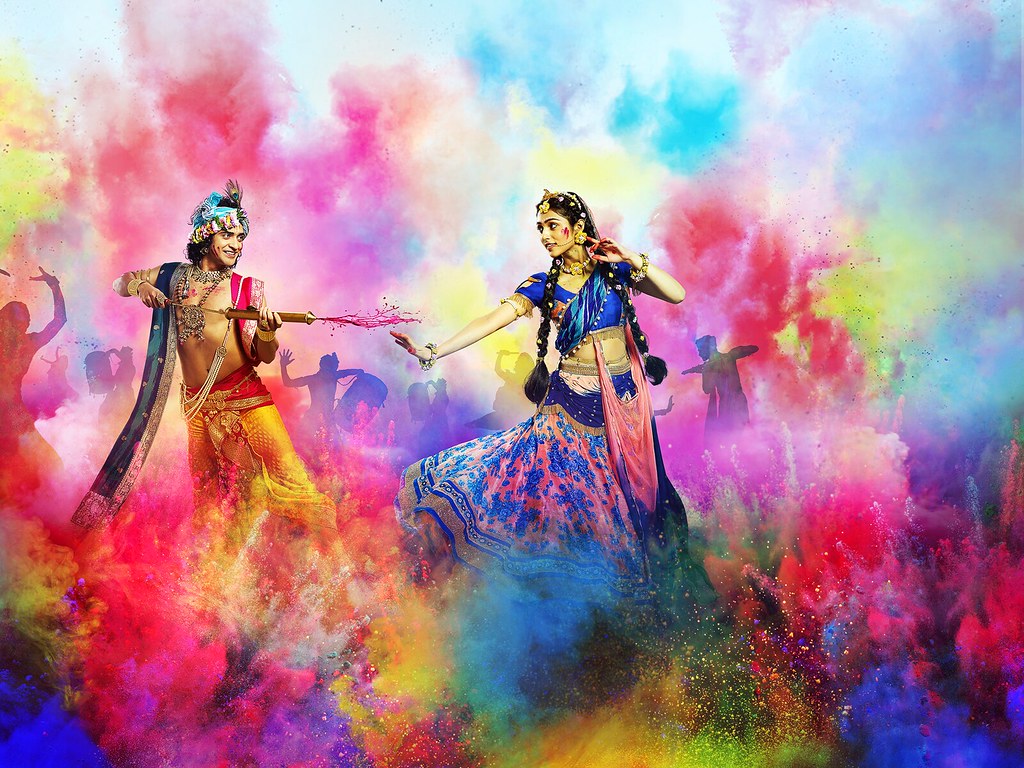
    The playful celebration of Holi is said to have originated from Krishna’s childhood in Vrindavan. According to legend, young Krishna once complained to his mother Yashoda about Radha’s fair complexion compared to his dark skin. In response, Yashoda playfully suggested that he apply color to Radha’s face.

    This innocent act became a symbol of love and equality. Krishna playfully smeared colors on Radha and the Gopis, and thus began the tradition of Holi. The act of applying color represents dissolving differences and celebrating unity in diversity.

    In Vrindavan and Barsana, this tradition continues with immense devotion. Holi is not just about colors; it is about expressing divine love without boundaries or ego.


    Spiritual Meaning Behind Krishna and Radha’s Love

    The love between Radha and Krishna is often misunderstood as romantic, but spiritually it carries deeper symbolism. Krishna represents the Divine Consciousness, while Radha represents the human soul. Their union signifies the merging of the individual self with the Supreme.

    The colors of Holi symbolize various emotions — joy, compassion, love, and surrender. When devotees celebrate Holi, they symbolically participate in Krishna’s divine play. Throwing colors becomes an expression of letting go of ego and embracing spiritual unity.

    Radha’s unwavering devotion teaches that true love requires surrender and faith. The real Holi is played in the heart, where the soul longs to merge with divine love.


    Holi as a Celebration of Bhakti and Joy

    Holi is deeply connected to the Bhakti movement, which emphasized personal devotion to God. Saints like Meera Bai and Surdas sang of Krishna’s love and described Holi as a divine celebration of devotion. In temples across India, devotees sing bhajans and reenact Krishna’s playful acts.

    The festival brings communities together, breaking social barriers and fostering unity. Rich and poor, young and old — everyone participates equally. Holi reminds us that in divine love, all distinctions fade away.

    Beyond the external celebration, Holi invites individuals to cleanse their hearts of negativity. It is a spiritual renewal where joy replaces sorrow and love conquers pride.


    Lessons from the Divine Love of Radha and Krishna

    The story of Radha and Krishna teaches timeless lessons about love and spirituality. First, it teaches selflessness. Radha loved Krishna without expectation or possession. Second, it teaches surrender — complete trust in the Divine will.

    Their love also demonstrates detachment. Though Krishna eventually left Vrindavan, Radha’s devotion remained unwavering. True love, as shown by Radha, does not depend on physical presence but on spiritual connection.

    In today’s world, where relationships often struggle with ego and expectation, their story offers guidance. Divine love is pure, patient, and transformative — a love that elevates rather than confines.


    The Real Story Behind Holi: Beyond the Colors

    While Holi is also associated with the legend of Prahlad and Holika, the colorful celebrations are primarily inspired by Krishna’s playful love. The festival combines themes of devotion, victory of good over evil, and spiritual awakening.

    In places like Vrindavan and Barsana, Holi celebrations last for days, filled with devotional songs and rituals. Devotees believe that participating in these celebrations brings them closer to Krishna’s divine presence. Holi becomes a reminder that life itself is a divine play guided by love and faith.

    Ultimately, the true story behind Holi lies in understanding its spiritual message. It is a celebration of the soul’s longing for God, expressed through joy, color, and devotion.


    Conclusion: Experiencing Holi as Divine Love

    The divine love of Krishna and Radha is not confined to ancient scriptures; it lives on in every heart that seeks spiritual connection. Holi is an opportunity to rediscover this love within ourselves. It invites us to let go of resentment, embrace unity, and celebrate the presence of the Divine in everyday life.

    As we play with colors, we are reminded of Krishna’s playful spirit and Radha’s deep devotion. Each color represents a blessing, each smile a reflection of divine joy.

    In its truest sense, Holi is not just a festival — it is a spiritual journey. When we understand the real story behind Holi, we realize that the greatest celebration is the awakening of divine love within our own hearts.

  • How to Celebrate Holi at Home: Holika Dahan Rituals and Safe Color Traditions

    How to Celebrate Holi at Home: Holika Dahan Rituals and Safe Color Traditions

    Introduction: Celebrating Holi with Devotion and Responsibility

    Holi is one of India’s most vibrant and spiritually significant festivals, symbolizing the triumph of good over evil and the arrival of spring. While grand public celebrations are common, many families today prefer to celebrate Holi at home in a safe, meaningful, and spiritually fulfilling way. Celebrating at home allows you to focus on traditions, rituals, and quality time with loved ones. It creates a peaceful environment where the spiritual essence of the festival can truly be experienced.

    The festival begins with Holika Dahan, the ritual bonfire that signifies the burning away of negativity and ego. The following day, known as Rangwali Holi, is filled with colors, joy, and celebration. However, modern concerns about chemical colors and environmental impact make it important to adopt safe and eco-friendly practices. Celebrating Holi at home allows you to combine devotion, safety, sustainability, and joyful traditions in a balanced way.

    By understanding the rituals and practicing mindful celebrations, families can make Holi not just colorful but spiritually enriching. The true celebration of Holi begins in the heart, where positivity replaces negativity and love replaces fear.


    Understanding the Spiritual Significance of Holika Dahan

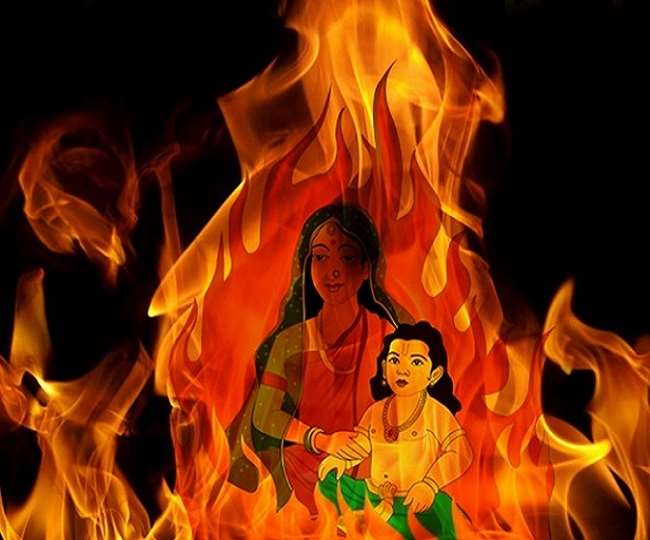
    Holika Dahan is performed on the eve of Holi and holds deep mythological significance. It commemorates the victory of Prahlad’s unwavering devotion over the arrogance of King Hiranyakashipu and the evil intentions of Holika. The bonfire represents the burning of negative energies, pride, and harmful thoughts.

    Traditionally, people gather around the fire, offer prayers, and perform parikrama (circumambulation) to seek blessings for prosperity and protection. At home, you can create a small symbolic bonfire using natural materials in a safe outdoor area or perform a symbolic ritual with a diya if space is limited. The essence of Holika Dahan is not the size of the fire, but the sincerity of the prayer.

    Families often offer grains, coconut, and sweets into the fire as symbols of gratitude and surrender. Holika Dahan reminds us that faith, devotion, and righteousness always triumph over negativity.


    Step-by-Step Guide to Performing Holika Dahan at Home

    To perform Holika Dahan at home, begin by cleaning the space where the ritual will take place. Cleanliness symbolizes purity of mind and heart. Choose an open and safe area such as a terrace or courtyard, ensuring all safety precautions are followed.

    Arrange small pieces of wood, cow dung cakes (if available), and natural materials to create a modest bonfire. Light the fire during the auspicious muhurat (timing) after sunset. Chant prayers or recite devotional hymns while offering grains and flowers. The ritual becomes powerful when performed with devotion, gratitude, and positive intentions.

    Walk around the fire with family members, praying for health, happiness, and protection from negativity. If a bonfire is not feasible, light a diya and meditate on letting go of negative emotions. Holika Dahan at home symbolizes the burning away of anger, jealousy, and ego within us.


    Preparing for Rangwali Holi at Home

    The next day is Rangwali Holi, the festival of colors and joy. Preparing at home ensures a safe and enjoyable celebration. Start by decorating your home with flowers, rangoli designs, and colorful fabrics to create a festive atmosphere.

    Choose organic and natural colors made from flowers, turmeric, sandalwood, and herbal powders. Avoid synthetic colors that may cause skin allergies or environmental harm. Encourage children and elders to participate safely. Using natural colors reflects respect for health, nature, and tradition.

    Plan simple activities like playing music, singing devotional songs, or sharing festive sweets. Celebrating Holi at home allows families to create joyful memories while staying safe and connected.


    Safe and Eco-Friendly Color Traditions

    Modern Holi celebrations often involve chemical-based colors that can harm skin, hair, and the environment. Opting for eco-friendly alternatives ensures safety and sustainability. Homemade colors can be prepared using natural ingredients like beetroot for pink, turmeric for yellow, and henna for green.

    Before playing Holi, apply coconut oil to your skin and hair to protect them from dryness. Wear old but comfortable clothes that cover your body properly. Keep water usage minimal to conserve resources. Safe color traditions emphasize health, environmental awareness, and mindful celebration.

    Encourage dry Holi celebrations with limited water use to reduce wastage. After the celebration, clean up responsibly to protect your surroundings. Playing Holi responsibly reflects love not just for people, but also for nature.


    Traditional Foods and Festive Delights at Home

    No Holi celebration is complete without delicious traditional dishes. Preparing festive sweets and snacks at home enhances the celebratory spirit. Popular Holi delicacies include gujiya, malpua, dahi bhalla, and thandai.

    Cooking together as a family strengthens bonds and creates a joyful atmosphere. Offer these dishes to the deity during morning prayers before sharing them with loved ones. Sharing homemade food symbolizes unity, gratitude, and celebration.

    Be mindful of health by maintaining balance and moderation in festive indulgence. Include fresh fruits and lighter options for elders and children. Festive meals during Holi represent abundance, togetherness, and joyful sharing.


    Holi Activities for Families and Children

    Celebrating Holi at home provides an opportunity to engage children in meaningful activities. Teach them the story of Prahlad and Holika to instill moral values. Organize small creative sessions like painting, crafting eco-friendly colors, or storytelling.

    You can also arrange indoor games, dance sessions, and devotional singing. Creating a safe play zone ensures that everyone enjoys without risk of injury. Family-oriented celebrations foster bonding, learning, and emotional connection.

    Encourage children to express gratitude and positivity during the festival. Holi becomes a lesson in kindness, forgiveness, and joyful living when celebrated with awareness.


    Maintaining Safety and Respect During Holi

    Safety is a priority while celebrating Holi at home. Avoid applying colors forcefully and respect personal boundaries. Ensure that elderly family members are comfortable and protected from loud noises or excessive excitement.

    Keep emergency supplies such as clean water, towels, and first-aid items nearby. Avoid slippery surfaces by limiting water use. Respect, consent, and safety are essential elements of a meaningful Holi celebration.

    Holi should be a time of joy and harmony, not discomfort or harm. Celebrating responsibly ensures that the spirit of love and unity remains intact.


    Spiritual Reflection and Gratitude

    Beyond rituals and colors, Holi offers a chance for spiritual reflection. Take a few moments to meditate, pray, or express gratitude for blessings in life. Reflect on personal growth and let go of grudges or negative emotions.

    Forgiving others and seeking forgiveness strengthens relationships. Holi symbolizes renewal, making it an ideal time to start fresh with positivity. Spiritual reflection transforms Holi from a festival into a meaningful life experience.

    By celebrating with devotion and awareness, you align with the deeper message of Holi. The real beauty of Holi lies in cleansing the heart and embracing divine joy.


    Conclusion: Celebrating Holi with Love, Safety, and Devotion

    Celebrating Holi at home allows you to combine tradition, spirituality, and safety in a harmonious way. From performing Holika Dahan rituals to enjoying eco-friendly color traditions, every step can be meaningful and joyful.

    By focusing on devotion, gratitude, and responsible celebration, families can preserve the true spirit of the festival. Holi is not just about colors; it is about unity, forgiveness, and spiritual renewal. When celebrated mindfully, Holi becomes a powerful reminder that positivity always triumphs over negativity.

    This year, embrace the festival with love, safety, and awareness. Let your home be filled with vibrant colors, heartfelt prayers, and the timeless message of hope and happiness that Holi brings.

  • Beyond the Colours:The Vibrant Story Behind the Festival of Colours

    Beyond the Colours:The Vibrant Story Behind the Festival of Colours

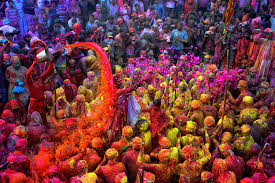
    When winter begins to loosen its grip and spring tiptoes into the Indian subcontinent, the air changes. There’s laughter in the streets, bright powders in the markets, and an unmistakable sense of excitement everywhere. It can mean only one thing — Holi, the Festival of Colours, is around the corner.

    Festival of Colours

    Celebrated with unmatched enthusiasm across India and in many parts of the world, Holi is more than just a day of throwing colours. It is a vibrant tapestry of mythology, tradition, community, and joy. Whether you’ve grown up celebrating it or are discovering it for the first time, here’s everything you need to know about this spectacular festival.


    The Mythological Roots of Holi

    Like many Indian festivals, Holi is deeply rooted in ancient legends. One of the most popular stories associated with Holi comes from Hindu mythology — the tale of Prahlada and Holika.

    Festival of Colours

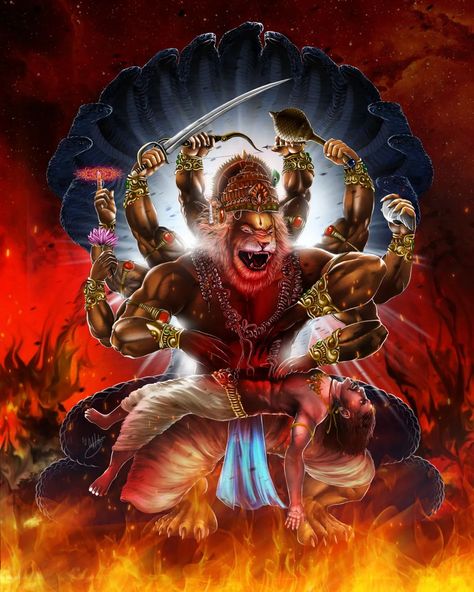
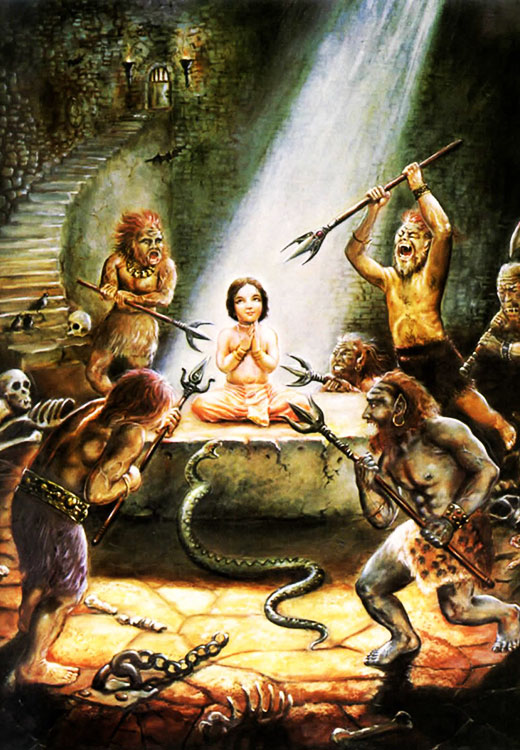
    According to legend, the demon king Hiranyakashipu wanted everyone in his kingdom to worship him as a god. However, his son Prahlada was a devoted follower of Lord Vishnu. Furious at his son’s devotion, Hiranyakashipu tried several times to kill him but failed each time.

    Finally, he sought help from his sister Holika, who possessed a magical cloak that protected her from fire. She tricked Prahlada into sitting with her in a blazing fire, intending to burn him alive. But in a divine twist, the cloak flew off Holika and protected Prahlada instead. Holika was burned to ashes, while Prahlada survived unharmed.

    Festival of Colours

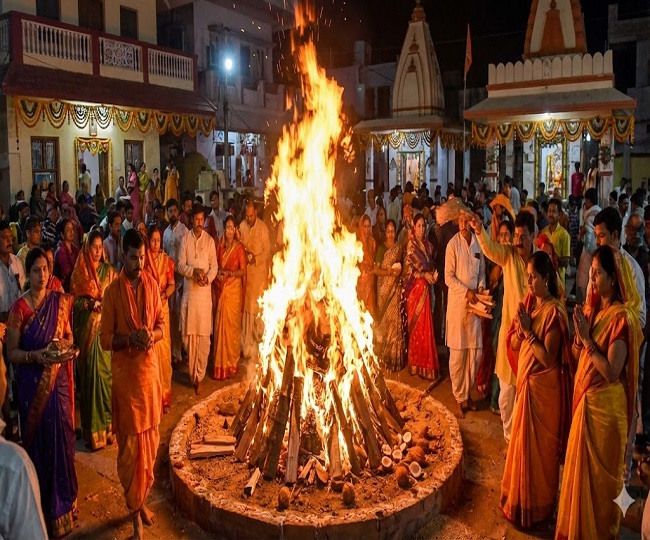
    This victory of good over evil is commemorated on the eve of Holi with a ritual called Holika Dahan, where bonfires are lit to symbolize the burning away of negativity.


    The Legend of Radha and Krishna

    Another beautiful story connected to Holi is the playful love story of Krishna and Radha.

    As the legend goes, young Krishna, who had a dark complexion, was worried that the fair-skinned Radha might not accept him. On his mother’s playful suggestion, he smeared colour on Radha’s face. This innocent act became symbolic of love, equality, and joyful mischief.

    This legend is particularly celebrated in Mathura and Vrindavan, where Holi festivities last for days and reenact Krishna’s playful antics.


    When Is Holi Celebrated?

    Holi is celebrated on the full moon day (Purnima) in the Hindu month of Phalguna, which typically falls in March. The festival lasts two days:

    Holika Dahan – The night of bonfires

    Rangwali Holi – The day of colours

    The timing marks the arrival of spring and the end of winter, symbolizing renewal and fresh beginnings.


    How Holi Is Celebrated

    1. The Night of Bonfires – Holika Dahan

    Communities gather in open spaces to light large bonfires. People sing, dance, and offer prayers. Grains and coconuts are often thrown into the fire as symbolic offerings.

    Holika Dahan

    This ritual is not just religious — it’s communal. It brings neighborhoods together and strengthens social bonds.


    2. The Day of Colours – Rangwali Holi

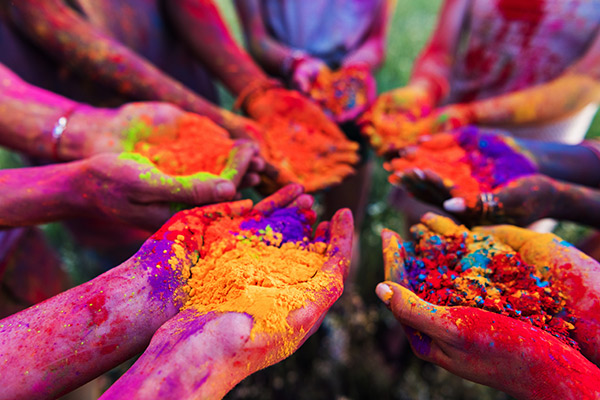
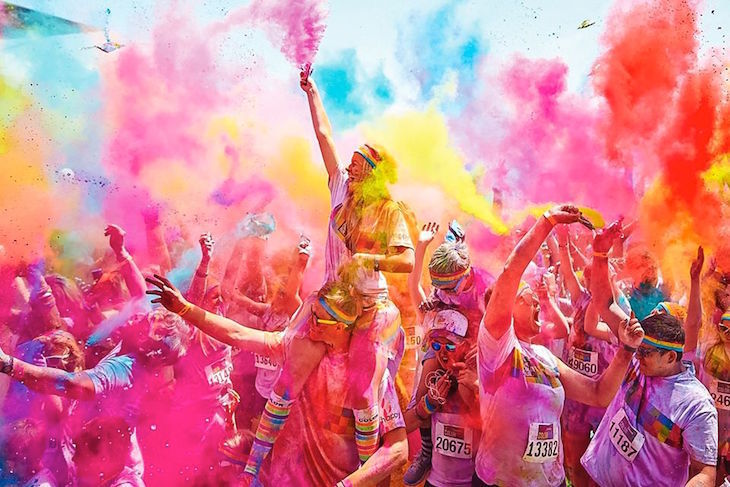
    If Holika Dahan is meaningful, Rangwali Holi is magical. From early morning, people step out armed with: Gulal (colored powders) ,Water balloons ,Water guns (pichkaris), Buckets of colored water.

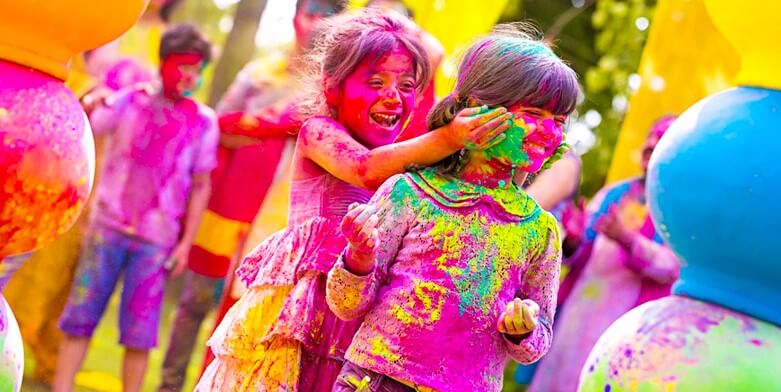
    Friends, family, and even strangers smear colours on each other’s faces, shouting “Happy Holi!” Music blares, people dance in the streets, and laughter echoes everywhere.

    What makes Holi unique is its spirit of equality. On this day, social barriers dissolve. Age, status, and background take a back seat as everyone becomes part of one joyful celebration.


    Special Foods of Holi

    No Indian festival is complete without delicious food, and Holi is no exception. Some traditional treats include:

    Gujiya – A sweet dumpling filled with khoya and dry fruits

    Malpua – Deep-fried pancakes soaked in sugar syrup

    Thandai – A chilled milk-based drink flavored with nuts and spices


    Holi Across India: Different Flavors of Celebration

    Holi is celebrated differently across regions, each with its own charm.

    Lathmar Holi – Barsana

    In the town of Barsana, women playfully hit men with sticks (lathis) as part of a re-enactment of Krishna teasing Radha and her friends. Men defend themselves with shields in a humorous and theatrical event called Lathmar Holi.


    Royal Holi – Udaipur

    In Udaipur, the Mewar royal family hosts grand celebrations at the City Palace, including traditional rituals, cultural performances, and an elaborate Holika Dahan ceremony.


    Shantiniketan’s Cultural Holi

    In Santiniketan, Holi is celebrated as Basanta Utsav, introduced by Rabindranath Tagore. Students dress in yellow, sing Tagore’s songs, and perform cultural programs, giving Holi an artistic and refined touch.


    Holi Around the World

    Thanks to the Indian diaspora, Holi is now celebrated globally — from the United States to the United Kingdom, Australia, and beyond.

    Holi Around the World

    In cities like New York City, London, and Sydney, large public gatherings feature music festivals, color runs, and community events inspired by traditional Holi celebrations.

    Holi has become a symbol of cultural diversity, inclusion, and shared joy worldwide.


    The Deeper Meaning of Holi

    Beyond the colors and festivities, Holi carries profound symbolism:

    Victory of good over evil – Through the story of Prahlada and Holika

    Love and unity – Through Radha and Krishna

    Renewal and rebirth – With the arrival of spring

    Forgiveness and fresh starts – Many people use Holi as an opportunity to mend broken relationships .It reminds us that life, much like Holi, is meant to be colorful.


    Eco-Friendly Holi: A Growing Awareness

    In recent years, awareness around environmental impact has grown. Traditional Holi colors were made from flowers and natural ingredients, but synthetic colors can harm skin and the environment.

    Today, many people are returning to: Organic gulal ,Flower petals, Minimal water usage ,Sustainable celebrations.

    An eco-friendly Holi ensures that the joy of the festival does not come at nature’s expense. Holi is about fun, but it is equally about mutual respect and consent.


    Why Holi Captures Hearts Everywhere

    Few festivals in the world are as visually stunning and emotionally uplifting as Holi. It’s a rare celebration where tradition meets spontaneity, devotion blends with delight, and communities unite in shared happiness.

    The explosion of colours is not just external — it reflects the internal vibrancy of human connection. Holi encourages us to let go of grudges, embrace joy, and welcome new beginnings with open arms.

    Holi Captures Hearts

    In a world often divided by differences, Holi stands as a radiant reminder that life is better when we celebrate together.

    So when the air fills with color and laughter this spring, don’t hold back. Step outside, embrace the spirit of Holi, and let yourself be painted in joy.

    Happy Holi!

  • The Eternal Love Story of Lord Shiva and Goddess Parvati — The Heart of Mahashivratri

    The Eternal Love Story of Lord Shiva and Goddess Parvati — The Heart of Mahashivratri

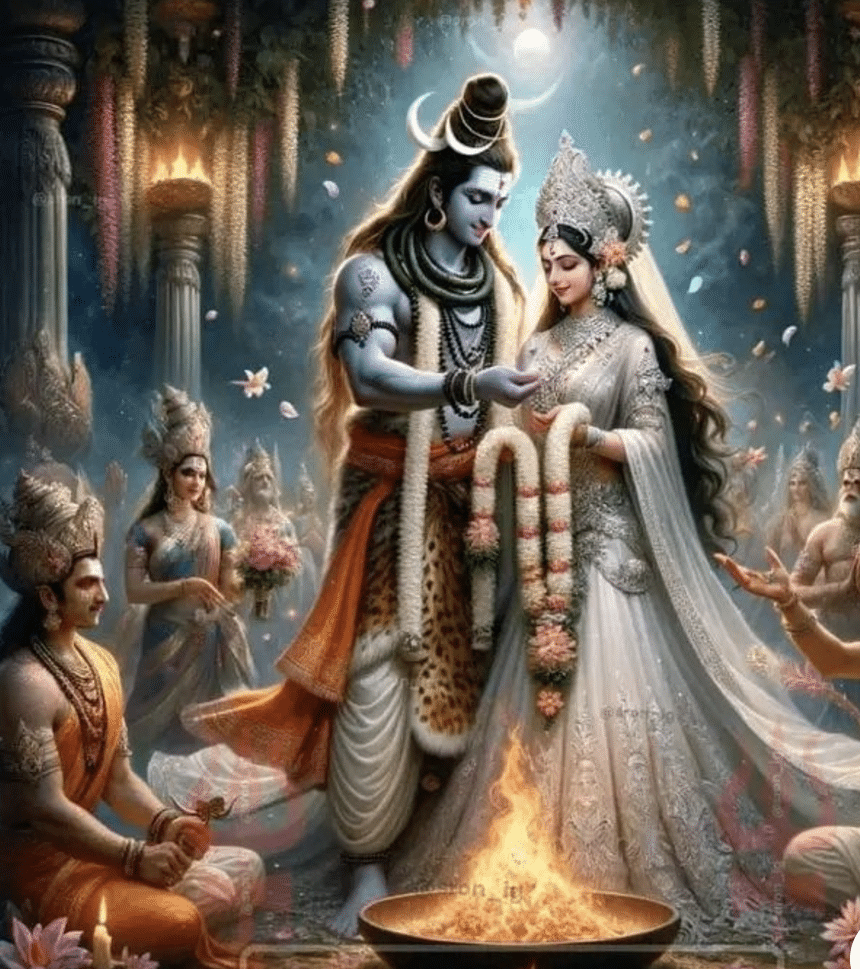
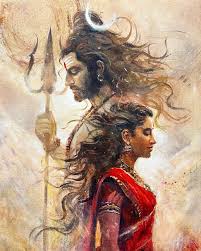
    Among the countless legends of Sanatan Dharma, few love stories are as profound, powerful, and spiritually symbolic as that of Shiva and Parvati. Their union is not merely a divine romance — it is the cosmic merging of consciousness and energy, stillness and strength, destruction and creation.

    shiv parvati

    This sacred love story is celebrated every year on Maha Shivaratri — the Great Night of Shiva — when devotees commemorate their divine marriage and the spiritual truths it represents.

    Let us journey through this timeless tale.


    Before Parvati — The Story of Sati

    Long before Parvati was born, Shiva was married to Goddess Sati, the daughter of King Daksha. Sati loved Shiva deeply, but her father disapproved of him. Shiva was an ascetic — clothed in tiger skin, smeared with ash, dwelling in cremation grounds — far from the royal image Daksha desired for his daughter.

    shiv parvati

    When Daksha organized a grand yajna (sacred ritual), he deliberately insulted Shiva by not inviting him. Sati, unable to bear the humiliation of her beloved, immolated herself in the sacrificial fire.

    Grief-stricken and enraged, Shiva performed the fierce Tandava — the cosmic dance of destruction. The universe trembled. To restore balance, Lord Vishnu dismembered Sati’s body, and her remains fell across the land, forming the sacred Shakti Peethas.

    Heartbroken, Shiva withdrew from the world and immersed himself in deep meditation in the Himalayas.


    The Birth of Parvati

    Time passed. The gods faced a new threat: the demon Tarakasura, who had received a boon that only Shiva’s son could defeat him. But Shiva remained detached, lost in meditation.

    shiv parvati

    To restore cosmic order, Sati was reborn as Parvati, the daughter of King Himavan (the Himalayas) and Queen Mena. From childhood, Parvati felt an inexplicable pull toward Shiva. When she learned of her previous birth as Sati, her purpose became clear — she was destined to reunite with him.


    The Tapasya of Love

    Parvati resolved to win Shiva’s heart — not through charm or beauty, but through devotion and intense penance.

    She left her royal comforts and began severe tapasya (austerities). She meditated for years in forests, enduring extreme heat, bitter cold, and hunger. According to legend, she survived only on leaves — and eventually even gave those up, earning the name “Aparna” (one who eats no leaves).

    shiv parvati

    Meanwhile, the gods sought help from Kama, the god of love, to awaken Shiva from meditation. Kama shot his arrow of desire toward Shiva. Enraged at being disturbed, Shiva opened his third eye and reduced Kama to ashes.

    But Parvati’s devotion was unwavering. Her love was not born of desire — it was pure, patient, and spiritual.

    Finally, Shiva decided to test her resolve. Disguised as a sage, he approached Parvati and mocked Shiva, calling him an unworthy ascetic. Parvati, angered by the insult, defended Shiva with fierce loyalty.

    shiv parvati

    Satisfied by her steadfastness, Shiva revealed his true form and accepted her as his consort.


    The Divine Wedding

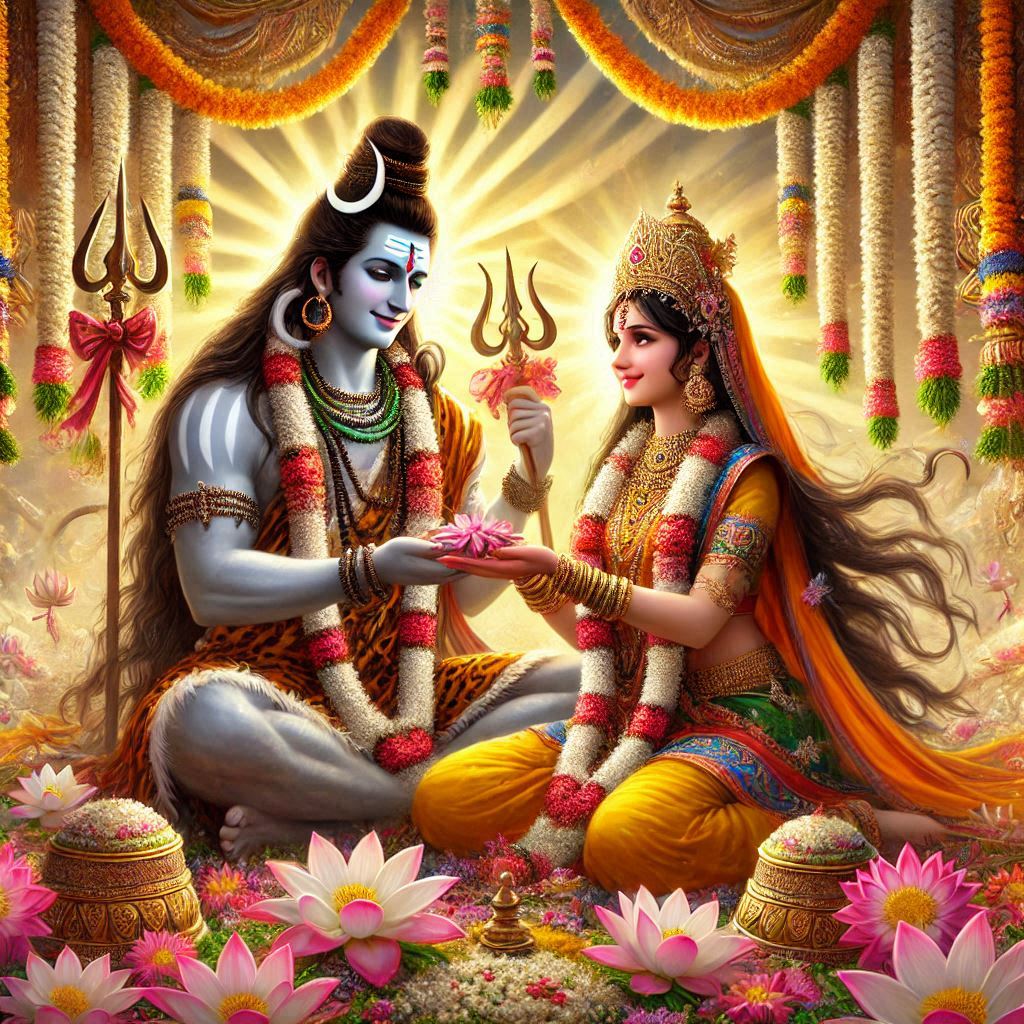
    The celestial wedding of Shiva and Parvati is described as one of the grandest events in divine history.

    shiv parvati

    Gods, sages, celestial beings, and spirits gathered to witness the union. Shiva arrived with an unusual wedding procession — ghosts, ganas, serpents, and mystical beings accompanied him. His appearance startled Parvati’s family, but when Shiva manifested his radiant and benevolent form, all fears vanished.

    Their marriage symbolized more than union — it represented cosmic balance:

    • Shiva as pure consciousness
    • Parvati as divine energy (Shakti)
    • Together, they became the creative force of the universe

    From their union were born Kartikeya (who later defeated Tarakasura) and Ganesha, the remover of obstacles.


    Why Their Love Story Is Celebrated as Mahashivratri

    Mahashivratri is believed to mark the sacred night of Shiva and Parvati’s wedding. It is the celebration of divine love, devotion, and spiritual awakening.

    shiv parvati

    But its meaning goes deeper.

    Shiva represents stillness — the silent witness within us.
    Parvati represents energy — the dynamic force of life.

    Their union symbolizes the merging of masculine and feminine energies within every human being. When these energies are balanced, enlightenment dawns.

    Thus, Mahashivratri is not merely a remembrance of a wedding. It is a reminder that devotion, patience, and purity of intention can unite the soul with the Divine.


    How Mahashivratri Is Celebrated Today

    Across India and around the world, Mahashivratri is observed with deep reverence.

    Fasting (Vrat)

    Devotees fast to purify the body and mind. Some consume fruits and milk; others observe a strict nirjala fast (without water).

    Night-long Vigil (Jaagran)

    Since it is believed that Shiva and Parvati were married at night, devotees stay awake, chanting “Om Namah Shivaya” and singing bhajans.

    shiv parvati

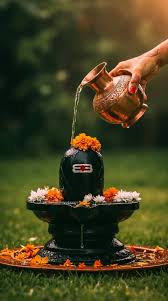
    Abhishekam Ritual

    The Shiva Lingam is bathed with water, milk, honey, curd, ghee, and sacred offerings. The Shiva Lingam represents Shiva’s infinite nature and creative power.

    Temple Celebrations

    Grand celebrations occur in sacred cities such as:

    • Varanasi — where the ghats resonate with chants and lamps illuminate the Ganges.
    • Haridwar — where devotees gather along the holy river.
    • Ujjain — home to the revered Mahakaleshwar Jyotirlinga.

    Many temples reenact the divine wedding ceremony, known as “Shiv-Parvati Vivah,” symbolizing eternal companionship.


    The Deeper Spiritual Meaning

    The love of Shiva and Parvati teaches timeless lessons:

    1. True Love Is Devotion – Parvati’s patience and perseverance show that love rooted in dedication transcends time.
    2. Transformation Is Possible – Shiva, the detached ascetic, embraced worldly life without losing his spiritual depth.
    3. Balance Is Essential – Life flourishes when consciousness and energy, logic and emotion, strength and compassion coexist.

    Their story is a reminder that love is not merely emotional attachment; it is spiritual alignment.


    Mahashivratri in the Modern World

    Today, Mahashivratri has become both a spiritual and cultural celebration. Beyond rituals, many observe it through meditation programs, community service, and spiritual discourses.

    true love demands strength

    In homes, families decorate shrines, offer bel leaves to Shiva, and narrate the story of Shiva and Parvati to younger generations. Couples pray for marital harmony, drawing inspiration from the divine pair.

    For unmarried women especially, Parvati’s tapasya symbolizes faith in finding a worthy partner — one rooted in virtue and depth.


    A Love Beyond Time

    The story of Shiva and Parvati is not bound by mythology alone. It is a living metaphor for the journey of every soul.

    Shiva resides in silence within us.
    Parvati represents our seeking, striving nature.

    true love demands strength

    When effort (Parvati) meets awareness (Shiva), the result is divine union — self-realization.

    That is why, on Mahashivratri, millions stay awake through the night. They are not merely remembering a wedding; they are participating in an inner marriage — the union of body and spirit, action and stillness, human and divine.


    True love demands strength

    The love story of Shiva and Parvati is eternal because it is universal. It speaks of loss and rebirth, longing and fulfillment, patience and destiny. It shows that true love demands strength, sacrifice, and unwavering faith.

    Mahashivratri stands as a celebration of this divine union — a night when devotion transforms into awakening and love becomes liberation.

    As lamps flicker in temples and chants echo through the night, devotees bow before the cosmic couple, remembering that the greatest love story ever told is not only divine — it is within us.

    Om Namah Shivaya.