The Sacred Bond Between Krishna and Draupadi
The story of Krishna and Draupadi is one of the most touching narratives in the epic Mahabharata, symbolizing devotion, protection, and sacred friendship. Though they were not bound by blood, their relationship reflected the purity of a divine sibling bond. Their connection forms the spiritual foundation of the festival of Raksha Bandhan, celebrating protection and trust. Krishna regarded Draupadi as his dear friend and sister, and Draupadi saw in him her eternal protector. Their relationship was built on respect, compassion, and unwavering faith.
In ancient Indian tradition, relationships were not limited to biological ties but were strengthened by intention and sacred vows. Krishna and Draupadi’s bond exemplifies this deeper understanding of kinship. Their story reminds us that true relationships are forged by loyalty and spiritual connection rather than mere lineage. Whenever Draupadi faced challenges, she remembered Krishna with complete surrender. Likewise, Krishna always responded to her call, proving the strength of their divine bond.
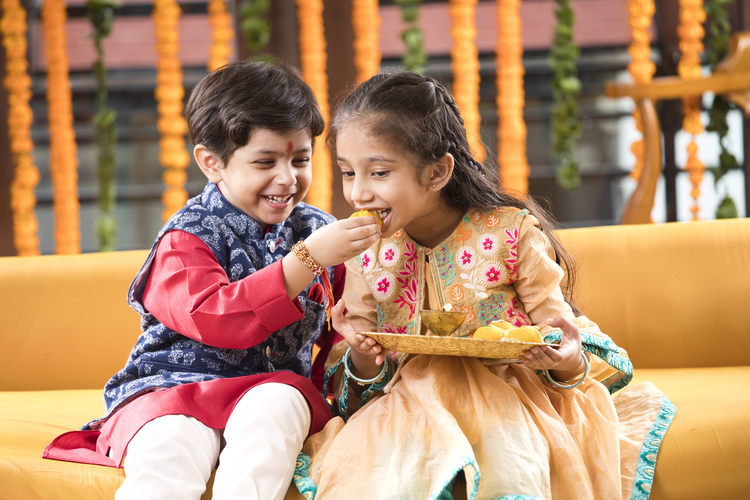
This sacred relationship is often associated with Raksha Bandhan, where sisters tie a thread (rakhi) on their brothers’ wrists, symbolizing love and protection. The essence of Raksha Bandhan lies in the promise of protection and mutual respect, values beautifully reflected in Krishna and Draupadi’s story. Their tale continues to inspire devotion and faith across generations. It is not just mythology but a timeless lesson about the power of trust and divine grace.
The Incident of Krishna’s Bleeding Finger
One of the most significant moments in their story occurred during a royal ceremony when Krishna injured his finger while handling his Sudarshan Chakra. As blood began to flow, the people around him panicked and searched for cloth to stop the bleeding. Without hesitation, Draupadi tore a strip from her sari and gently wrapped it around Krishna’s finger. This spontaneous act of compassion symbolized pure love and selfless care. She did not think about the value of her garment; she only cared about Krishna’s pain.
Krishna was deeply moved by her gesture. In that moment, he vowed to protect her whenever she needed him. This vow of protection forms the spiritual essence of Raksha Bandhan—the promise to stand by loved ones in times of distress. Draupadi’s act was simple yet profound, showing that even a small gesture done with sincerity can create a lifelong bond. The cloth she tied became symbolic of the sacred thread later known as rakhi.
The incident emphasizes the importance of empathy and timely help. True devotion is reflected in actions, not grand declarations. Draupadi’s quick response demonstrated courage and affection. Krishna’s silent promise represented divine assurance. Their bond was sealed not by ritual but by genuine compassion. This episode beautifully illustrates how acts of kindness can shape destiny.
The Disrobing of Draupadi and Krishna’s Divine Protection

The true test of their bond came during the infamous episode of Draupadi’s disrobing (Vastraharan) in the Kaurava court. After Yudhishthira lost her in a game of dice, Dushasana attempted to publicly humiliate her by pulling at her sari. Surrounded by elders and warriors who remained silent, Draupadi felt helpless and betrayed. In her darkest moment, she called out to Krishna with complete surrender and faith. She closed her eyes and prayed wholeheartedly for protection.
Responding to her devotion, Krishna performed a miracle. As Dushasana tried to remove her sari, it became endless, protecting her dignity. No matter how much he pulled, the fabric kept extending infinitely. This divine intervention symbolizes that sincere faith invokes immediate divine protection. Draupadi’s honor was saved, and the court witnessed the power of unwavering devotion. The miracle reinforced Krishna’s promise made during the earlier incident.
This episode remains one of the most powerful demonstrations of divine grace in Hindu mythology. It teaches that when human support fails, divine support never abandons true devotion. Draupadi’s faith was her shield, and Krishna’s protection was her strength. The event also underscores the importance of standing against injustice. Through this story, Raksha Bandhan becomes more than a festival—it becomes a reminder of faith and moral responsibility.
The Symbolism and Spiritual Meaning of Raksha Bandhan
The festival of Raksha Bandhan celebrates the sacred bond between brothers and sisters. The term “Raksha” means protection, and “Bandhan” means bond or tie. Sisters tie a rakhi on their brothers’ wrists, praying for their well-being, while brothers promise lifelong protection. The origin of this ritual is deeply rooted in the story of Krishna and Draupadi. Their bond exemplifies trust, loyalty, and spiritual kinship.
Raksha Bandhan is not limited to biological siblings. It extends to relationships built on mutual respect and affection. In some traditions, women tie rakhi to soldiers, teachers, or close friends as a symbol of gratitude and faith. The festival promotes unity, harmony, and emotional connection beyond family boundaries. Gifts and sweets exchanged during the celebration strengthen bonds of love.
Spiritually, Raksha Bandhan reminds individuals of their duty to protect and respect one another. It emphasizes that protection is not only physical but also emotional and moral. The thread may be delicate, but its meaning is powerful. Inspired by Krishna and Draupadi’s story, Raksha Bandhan becomes a celebration of divine assurance and human compassion.
The Eternal Relevance of Krishna and Draupadi’s Story

The story of Krishna and Draupadi continues to resonate in modern times. It teaches that true bonds are based on trust and selflessness. Their relationship demonstrates that faith and loyalty transcend societal boundaries. In today’s world, where relationships often face challenges, their story offers guidance and inspiration. It reminds us to support one another during moments of vulnerability.
Krishna’s protection of Draupadi symbolizes divine justice and compassion. Draupadi’s faith represents resilience and surrender to higher power. Together, they embody the perfect balance of devotion and divine grace. Raksha Bandhan becomes a celebration not only of sibling love but of spiritual commitment to righteousness.
Ultimately, the origin of Raksha Bandhan in their story teaches that love combined with faith creates unbreakable bonds. The sacred thread tied on Raksha Bandhan carries the promise of protection, dignity, and unwavering support. Through Krishna and Draupadi’s tale, we learn that divine friendship and trust are eternal. Their story stands as a timeless reminder that where there is faith, there is protection, and where there is love, there is divine presence.
Leave a Reply