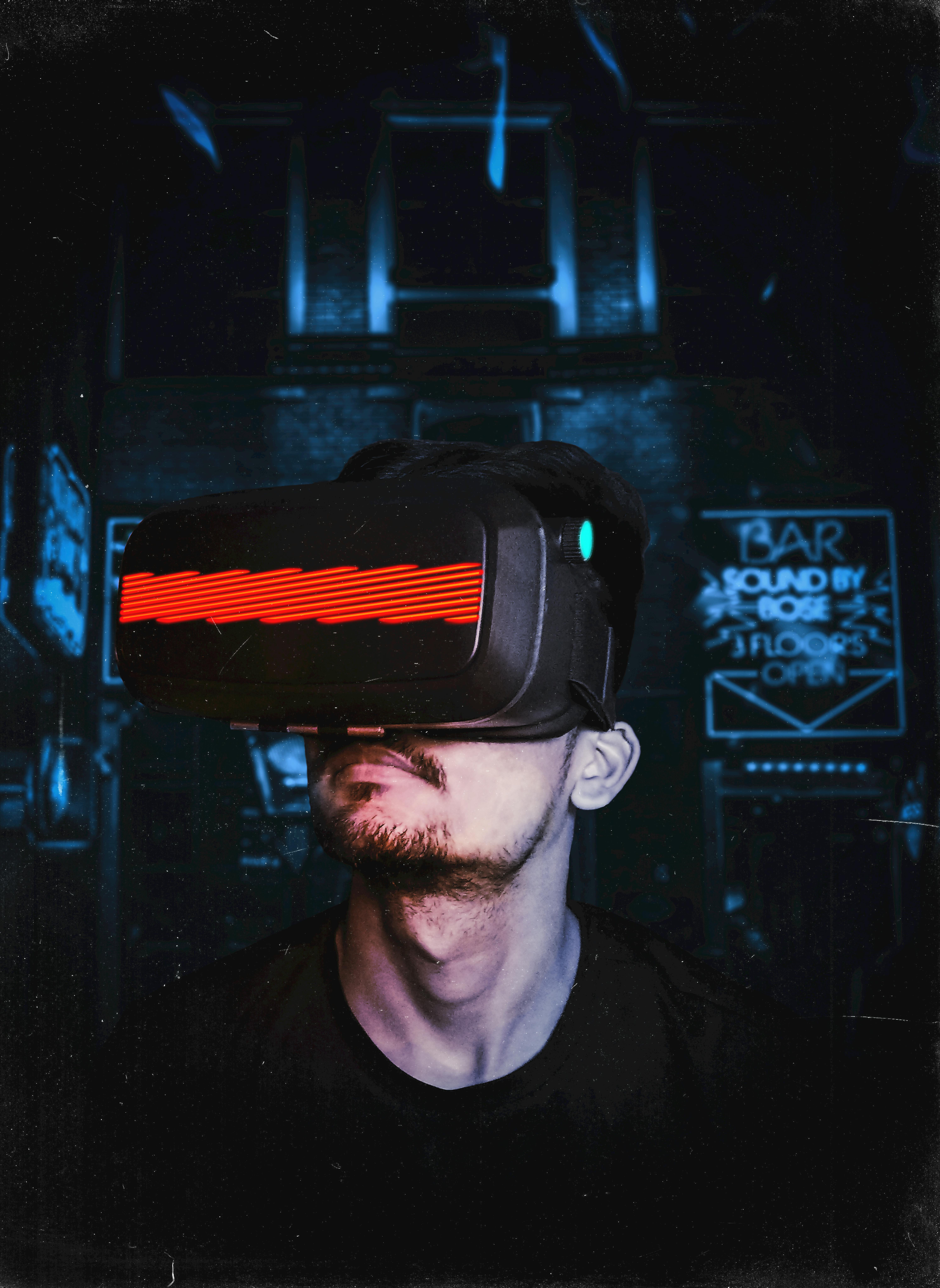
Introduction: The Rise of Immersive Entertainment in India
The Indian entertainment industry is undergoing a massive transformation, driven by cutting-edge technologies like Augmented Reality (AR) and Virtual Reality (VR). These innovations are no longer limited to gaming or niche applications; they are now redefining how audiences experience content across films, live events, education, and digital storytelling. With increasing smartphone penetration, affordable VR headsets, and rapid internet expansion, India is becoming fertile ground for immersive entertainment startups.
In recent years, a new generation of startups has emerged, leveraging AR and VR to create engaging, interactive, and personalized experiences. These companies are not just enhancing entertainment but also blurring the lines between reality and digital worlds. This shift represents a fundamental change in how users consume content—moving from passive viewing to active participation. As audiences demand more engaging experiences, AR and VR are becoming central to the future of entertainment.
Moreover, India’s growing tech ecosystem, backed by strong investor interest and government initiatives, is accelerating innovation in this space. Startups are experimenting with storytelling formats, immersive gaming, virtual concerts, and even metaverse-like environments. The convergence of creativity and technology is positioning India as a global hub for immersive entertainment innovation. This blog explores how AR and VR startups are shaping the next wave of entertainment in India.
The Growth of AR and VR Startups in India
India has witnessed a surge in AR and VR startups over the past decade, fueled by advancements in technology and increasing consumer interest. From Bengaluru to Mumbai, tech hubs are nurturing companies that are redefining immersive experiences. These startups are not only targeting domestic audiences but also expanding globally, showcasing India’s potential in the immersive tech space.
The growth is largely driven by the gaming and entertainment sectors, where AR and VR offer unparalleled user engagement. Startups are developing immersive games, virtual theme parks, and interactive storytelling platforms that captivate users. This rapid expansion highlights how AR and VR are transitioning from experimental technologies to mainstream entertainment tools. Additionally, industries like real estate, healthcare, and education are also adopting these technologies, further boosting startup growth.
Funding and investor confidence have played a crucial role in this expansion. Venture capital firms and angel investors are increasingly backing AR and VR startups, recognizing their long-term potential. The influx of capital is enabling startups to scale faster, innovate more, and compete on a global level. As a result, India is witnessing a vibrant ecosystem of immersive technology companies pushing the boundaries of entertainment.
Key Innovations Transforming Entertainment
AR and VR startups in India are introducing groundbreaking innovations that are reshaping entertainment experiences. One of the most significant developments is immersive gaming, where players can interact with virtual environments in real-time. These experiences go beyond traditional gaming, offering lifelike simulations and interactive narratives.
Another major innovation is virtual events and concerts. With the rise of digital platforms, startups are creating virtual spaces where users can attend concerts, festivals, and live performances from anywhere. This has opened new revenue streams for artists and creators while providing audiences with unique, immersive experiences. Additionally, AR is being used in social media filters, marketing campaigns, and interactive advertisements, enhancing user engagement.
Storytelling is also evolving with AR and VR technologies. Filmmakers and content creators are experimenting with 360-degree videos and immersive narratives that allow viewers to become part of the story. This shift is redefining content consumption, making it more interactive and emotionally engaging. As these innovations continue to evolve, they are setting new standards for the entertainment industry.
Impact on Gaming and Esports Industry
The gaming and esports industry in India is one of the biggest beneficiaries of AR and VR technologies. With millions of gamers across the country, immersive gaming experiences are gaining immense popularity. Startups are developing VR-based games that provide realistic environments and interactive gameplay, attracting a new generation of gamers.
Esports is also evolving with the integration of AR and VR. Competitive gaming is becoming more immersive, with players and audiences experiencing matches in virtual arenas. This transformation is enhancing viewer engagement and creating new opportunities for monetization. Additionally, AR is being used to overlay real-time data and statistics during gameplay, enriching the overall experience.
The accessibility of gaming devices and VR headsets is further driving adoption. As technology becomes more affordable, more users can access immersive gaming experiences. This democratization of technology is fueling the growth of the gaming ecosystem in India. With continuous innovation, AR and VR are set to redefine the future of gaming and esports in the country.
Challenges Faced by AR and VR Startups
Despite the rapid growth, AR and VR startups in India face several challenges that hinder their progress. One of the primary issues is the high cost of technology and hardware. VR headsets and advanced AR devices are still relatively expensive, limiting widespread adoption among consumers.
Another challenge is the lack of awareness and understanding of AR and VR technologies. Many users are still unfamiliar with the potential of immersive experiences, which slows down market growth. Educating consumers and creating awareness is crucial for the long-term success of these technologies. Additionally, technical limitations such as latency, motion sickness, and hardware compatibility issues pose significant hurdles.
Funding and scalability are also major concerns for startups. While investor interest is growing, many startups struggle to secure sufficient funding to scale their operations. Overcoming these challenges requires collaboration between startups, investors, and policymakers to create a supportive ecosystem. Addressing these issues will be key to unlocking the full potential of AR and VR in India.
Future Trends and Opportunities
The future of AR and VR in India looks incredibly promising, with numerous opportunities for growth and innovation. One of the most exciting trends is the development of the metaverse, where users can interact in shared virtual spaces. Startups are exploring ways to create immersive social experiences, virtual marketplaces, and digital economies.
Another emerging trend is the integration of AR and VR with artificial intelligence (AI). This combination is enabling more personalized and intelligent experiences, enhancing user engagement. The convergence of AR, VR, and AI is expected to revolutionize the entertainment industry. Additionally, advancements in 5G technology will further boost the performance and accessibility of immersive applications.
Industries such as education, healthcare, and tourism are also expected to benefit from AR and VR technologies. Startups are developing solutions that go beyond entertainment, creating new business opportunities. The expanding applications of AR and VR highlight their transformative potential across multiple sectors. As technology continues to evolve, India is poised to become a global leader in immersive innovation.
Conclusion: India’s Immersive Future
AR and VR startups are playing a pivotal role in shaping the future of entertainment in India. By creating immersive, interactive, and engaging experiences, these companies are redefining how audiences consume content. From gaming and storytelling to virtual events and social experiences, the possibilities are endless.
The growth of this ecosystem is supported by technological advancements, increasing consumer demand, and strong investor backing. This combination is driving rapid innovation and positioning India as a key player in the global AR and VR landscape. However, addressing challenges such as cost, awareness, and scalability will be essential for sustained growth.
Looking ahead, the future of entertainment in India will be deeply intertwined with AR and VR technologies. These innovations are not just enhancing entertainment—they are transforming it into a fully immersive experience. As startups continue to push boundaries, India is set to lead the next wave of digital entertainment revolution.
Leave a Reply