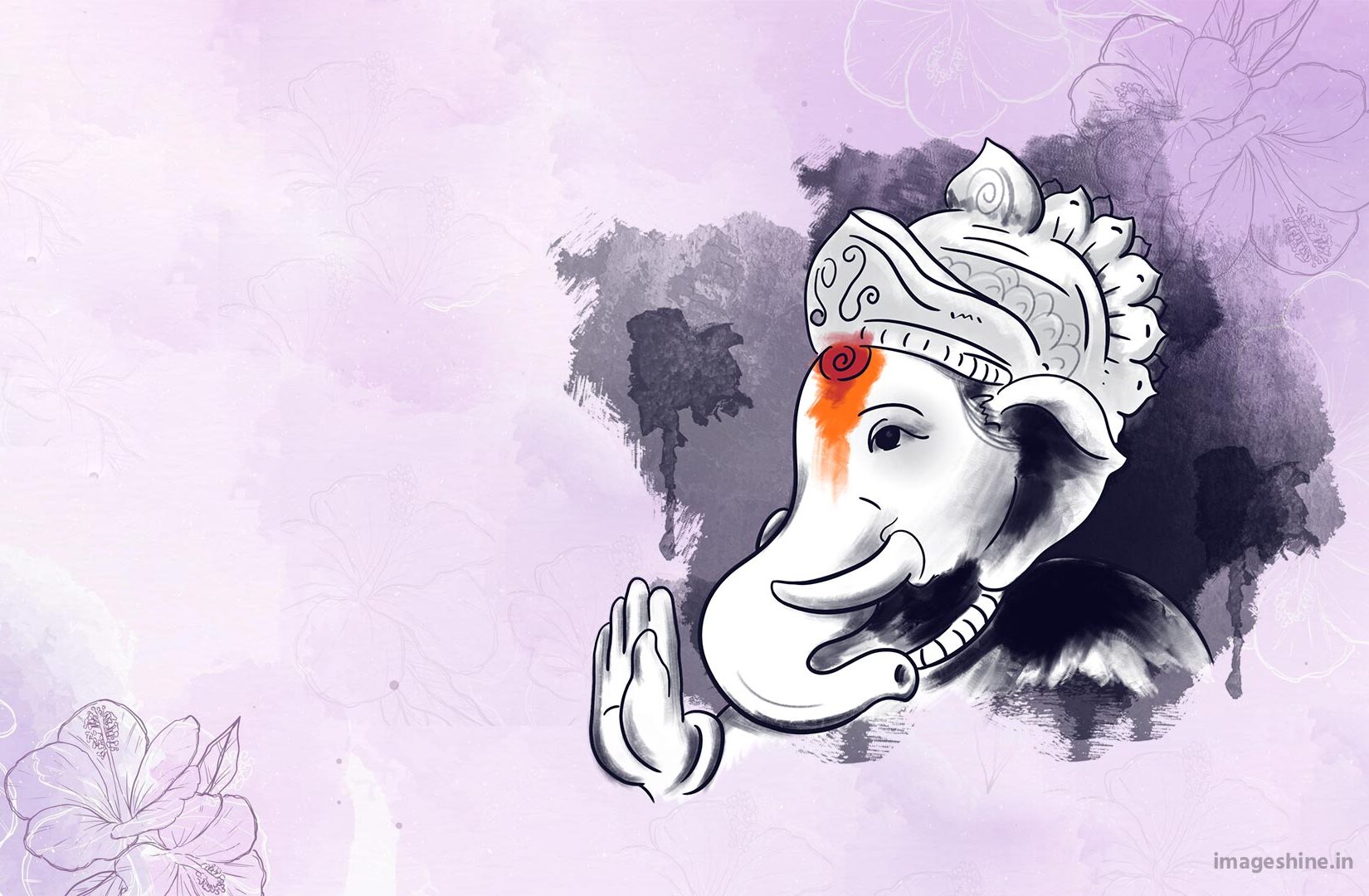
The Divine Creation of Lord Ganesha by Goddess Parvati
The birth of Ganesha is one of the most spiritually profound stories in Hindu mythology, symbolizing divine love, protection, and sacred power. According to ancient scriptures, Goddess Parvati, the consort of Lord Shiva, created Ganesha from the turmeric paste she used for her bath. She molded the paste into the form of a young boy and breathed life into him with her divine energy. This act represents the creative power of the feminine divine, showing that life itself can emerge from pure intention and spiritual strength. Parvati assigned the boy a sacred duty—to guard her chambers while she bathed and to allow no one to enter without her permission. From the very moment of his creation, Ganesha symbolized obedience, loyalty, and unwavering devotion.
This divine creation was not merely physical but deeply symbolic of maternal protection and spiritual authority. Ganesha was born without the involvement of Shiva, emphasizing Parvati’s independent power as a goddess. This narrative highlights the strength and autonomy of the Divine Mother in Hindu philosophy. When Shiva later returned and attempted to enter Parvati’s chamber, Ganesha, unaware of Shiva’s identity, refused him entry. This innocent act of obedience set the stage for one of the most transformative moments in Hindu mythology. The story teaches that duty and righteousness sometimes require standing firm, even before great authority.
The birth of Ganesha also symbolizes the creation of purity from earthly elements. Turmeric, used in the story, is sacred in Indian culture and represents healing and auspiciousness. Thus, Ganesha’s very body was formed from purity and sanctity. This origin story reveals that divinity is not distant but present in the simplest elements of nature. His birth marks the beginning of a spiritual journey that teaches faith, courage, and transformation. The creation of Ganesha reminds devotees that divine protection is always born from love and intention.
The Beheading and the Gift of the Elephant Head
The most dramatic event in Ganesha’s life is his beheading by Lord Shiva. When Shiva attempted to enter Parvati’s chamber, Ganesha blocked his way, fulfilling his mother’s command. Shiva, angered by this unknown boy’s defiance, engaged in a fierce battle with him. Despite being a child, Ganesha displayed extraordinary courage and strength. His bravery symbolizes unwavering commitment to duty, even in the face of overwhelming power. Eventually, Shiva severed Ganesha’s head with his trident, an act that shook the heavens.
When Parvati discovered what had happened, her grief turned into cosmic rage. She threatened to destroy the universe unless her son was restored to life. This moment emphasizes the boundless power of a mother’s love and the destructive force of divine sorrow. To calm her, Shiva promised to bring Ganesha back to life. He instructed his followers to bring the head of the first living being they encountered facing north. They returned with the head of an elephant, which Shiva placed upon Ganesha’s body, reviving him.
The elephant head carries deep symbolism in Hindu philosophy. Elephants represent wisdom, strength, and intelligence. By giving Ganesha an elephant’s head, Shiva transformed him into a symbol of supreme intellect and spiritual insight. The large ears signify the importance of listening, the small eyes represent focus, and the trunk symbolizes adaptability. This transformation teaches that even tragedy can lead to divine elevation and greater purpose. From that moment onward, Ganesha became a unique deity—half human, half elephant—embodying the balance between earthly existence and higher consciousness.
Why Lord Ganesha Is Worshipped First
After restoring Ganesha to life, Shiva granted him a divine boon that changed spiritual practice forever. He declared that Ganesha would be worshipped before any other god in every ritual and ceremony. This proclamation established Ganesha as the remover of obstacles and the guardian of beginnings. From weddings to business ventures, from housewarmings to festivals, devotees first invoke his blessings to ensure success and harmony. This sacred tradition continues across India and the world today.
The reason behind this honor lies in the lesson of humility and wisdom. Ganesha once competed with his brother Kartikeya in a race around the universe. While Kartikeya traveled far and wide, Ganesha simply circled his parents, declaring that they represented his entire universe. This act demonstrated profound understanding—that true knowledge lies in recognizing the divine source of all creation. Pleased by his wisdom, the gods reaffirmed his status as the first among equals. Thus, Ganesha became the embodiment of intelligence over speed and wisdom over pride.
Spiritually, worshipping Ganesha first symbolizes clearing mental and emotional barriers before embarking on any journey. His name “Vighnaharta” means remover of obstacles, and “Ganapati” means leader of the celestial beings. Invoking Ganesha signifies aligning oneself with clarity, discipline, and divine guidance. He is not just worshipped for material success but for spiritual awakening. By honoring Ganesha first, devotees acknowledge that every beginning requires wisdom and humility.
The Symbolism Behind Ganesha’s Form and Attributes
Every aspect of Ganesha’s appearance holds spiritual meaning and philosophical depth. His large head symbolizes expansive thinking and wisdom. It reminds devotees to think big and cultivate higher understanding. His small mouth teaches restraint in speech, while his large ears encourage attentive listening. The broken tusk signifies sacrifice and the ability to retain good while discarding negativity. This teaches balance between strength and sensitivity.
Ganesha’s vehicle, the mouse, represents desire and restlessness. By riding the mouse, Ganesha shows mastery over desires and ego. This symbolizes control over the mind’s wandering tendencies. In his hands, he often holds a modak (sweet), representing the sweetness of spiritual knowledge. Other objects like the axe and lotus symbolize detachment and enlightenment. Each symbol conveys that spiritual growth requires discipline, awareness, and compassion.
Even his pot-bellied form represents acceptance of life’s experiences—both pleasant and painful. Ganesha teaches that true wisdom comes from digesting all experiences with patience. His posture reflects calm authority, reminding devotees to remain steady amid chaos. Through his form, he communicates profound philosophical teachings in a simple, accessible way. Thus, Ganesha’s image itself is a living scripture of spiritual truth.
The Spiritual Significance of Ganesha in Modern Life
In today’s fast-paced world, the relevance of Ganesha’s teachings remains powerful and transformative. Festivals like Ganesh Chaturthi celebrate his birth with devotion and grandeur across India. Homes and communities install idols, perform rituals, and immerse the idols in water after days of prayer. This festival symbolizes renewal, devotion, and the cyclical nature of life. Beyond tradition, Ganesha inspires individuals to overcome internal fears and limitations.
Students pray to him before exams, entrepreneurs seek his blessings before launching ventures, and families invoke him at weddings. This reflects the universal belief that success begins with clarity of mind and removal of doubt. Ganesha’s story teaches resilience—how even loss and transformation can lead to greatness. In a world filled with uncertainty, his calm smile reassures devotees that obstacles are stepping stones.
More than mythology, Ganesha represents a philosophy of living wisely and compassionately. He reminds humanity that humility, intelligence, and devotion are the keys to lasting success. Worshipping him first is not merely ritualistic but symbolic of preparing the mind and heart for any new chapter. His presence in homes and temples serves as a daily reminder of hope and guidance. Thus, the birth of Ganesha is not just an ancient legend but an eternal message of faith, transformation, and divine grace.
Final Reflection
The story of Lord Ganesha’s birth and his unique place in Hindu worship carries timeless spiritual wisdom. From his miraculous creation by Parvati to his transformation by Shiva, every moment reflects deeper truths about life and consciousness. His life teaches that obedience, courage, and wisdom lead to divine recognition. Being worshipped first symbolizes the importance of beginning every endeavor with clarity and reverence.
In every prayer that starts with “Om Gan Ganapataye Namah,” devotees reaffirm faith in the remover of obstacles. Lord Ganesha stands as the eternal guardian of beginnings, reminding us that with wisdom and humility, every obstacle can become an opportunity.
Leave a Reply