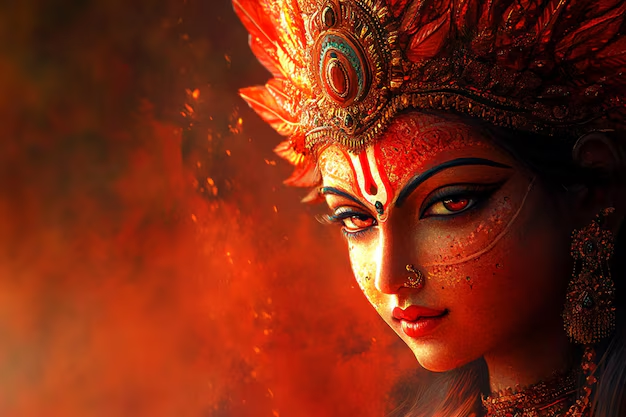
Introduction: The Divine Power of Navadurga
In Hindu spirituality, Durga represents the supreme feminine energy—Shakti—the force that sustains, protects, and transforms the universe. During the sacred festival of Navratri, devotees worship her nine divine manifestations, collectively known as Navadurga. Each form symbolizes a distinct spiritual quality and stage of inner awakening. These nine nights are not merely ritual observances but a symbolic journey from ignorance to enlightenment.
Navadurga embodies courage, compassion, wisdom, discipline, and ultimate liberation. Every day of Navratri is dedicated to one avatar, reflecting the progressive purification of the mind and soul. From grounding oneself in faith to attaining supreme knowledge, the nine forms map a complete spiritual path.
The worship of these avatars teaches that divine power resides within every individual. By meditating upon each form, devotees align themselves with cosmic energy. The nine manifestations together portray the dynamic balance between nurturing love and fierce protection. Through these sacred forms, Durga reveals that spiritual growth requires strength, surrender, and self-realization.
1. Shailaputri: The Daughter of the Mountains
The first form of Navadurga is Shailaputri, whose name means “Daughter of the Mountain.” She is the incarnation of Goddess Parvati and represents purity and grounding energy. Riding a bull and holding a trident and lotus, she symbolizes strength rooted in stability.
Shailaputri teaches that every spiritual journey begins with a strong foundation. Just as mountains stand firm, devotees must cultivate faith and resilience. She governs the Muladhara (root) chakra, which anchors physical and spiritual balance.
Her worship signifies the awakening of dormant spiritual energy. By meditating on Shailaputri, devotees strengthen their inner resolve. She reminds us that spiritual ascent begins with humility and devotion.
2. Brahmacharini: The Embodiment of Penance
The second form is Brahmacharini, symbolizing austerity and spiritual discipline. Holding a rosary and water pot, she represents determination and unwavering devotion.
Brahmacharini embodies the power of tapasya (penance) and self-control. Her calm demeanor reflects inner strength born from sacrifice. She governs the Swadhisthana chakra, enhancing emotional balance.
Her form teaches that perseverance leads to divine realization. Through self-discipline and meditation, one purifies desires. Brahmacharini inspires seekers to remain steadfast on the spiritual path.
3. Chandraghanta: The Warrior of Peace
The third avatar, Chandraghanta, is depicted with a crescent moon shaped like a bell on her forehead. She rides a tiger and holds multiple weapons, symbolizing readiness to protect righteousness.
Chandraghanta represents courage combined with serenity. Though fierce in battle, she radiates peace and grace. She governs the Manipura chakra, enhancing confidence and power.
Her worship removes fear and instills bravery. She teaches that true strength arises from inner harmony. Devotees seek her blessings to overcome obstacles with dignity.
4. Kushmanda: The Cosmic Creator
The fourth form, Kushmanda, is believed to have created the universe with her divine smile. She radiates solar energy and sustains cosmic order.
Kushmanda symbolizes creative power and divine vitality. She governs the Anahata (heart) chakra, promoting compassion and love.
Her blessings bring health, radiance, and positivity. Devotees honor her as the source of universal light. She reminds us that joy and creativity are sacred expressions of divinity.
5. Skandamata: The Nurturing Mother
The fifth avatar is Skandamata, depicted holding her son Kartikeya. She symbolizes maternal love and protection.
Skandamata represents unconditional compassion and guidance. She governs the Vishuddha chakra, promoting purity of speech and intention.
Her worship nurtures wisdom and emotional harmony. She reminds devotees that love and strength coexist. Through her blessings, families experience unity and peace.
6. Katyayani: The Fierce Protector
The sixth form, Katyayani, is known for slaying the demon Mahishasura. She embodies righteous anger and divine justice.
Katyayani symbolizes the destruction of ego and negativity. She governs the Ajna chakra, awakening intuition and clarity.
Her worship empowers devotees to fight injustice and fear. She inspires moral courage and self-confidence. Her fierce grace protects devotees from harm.
7. Kalaratri: The Dark Night of Transformation
The seventh avatar, Kalaratri, is the fiercest form of Durga. Dark in complexion and powerful in appearance, she destroys ignorance and evil.
Kalaratri represents the fearless confrontation of darkness. She governs the Sahasrara chakra, leading to spiritual awakening.
Her presence removes fear and grants protection. Though terrifying in form, she is compassionate toward devotees. She teaches that transformation often requires facing inner shadows.
8. Mahagauri: The Radiance of Purity
The eighth form is Mahagauri, symbolizing purity and serenity. Clad in white, she radiates peace and forgiveness.
Mahagauri represents cleansing of past karma and renewal. Her blessings bring harmony and calmness.
She signifies the soul’s purification after intense transformation. Devotees experience inner peace through her worship. Her gentle grace restores balance and hope.
9. Siddhidatri: The Giver of Spiritual Powers
The ninth and final form is Siddhidatri, who grants siddhis (spiritual powers) and ultimate knowledge. She completes the Navadurga cycle.
Siddhidatri symbolizes spiritual fulfillment and divine realization. She bestows wisdom and enlightenment upon devotees.
Her worship marks the culmination of the spiritual journey begun on the first day of Navratri. She represents unity with the supreme consciousness. Through her blessings, seekers attain inner completeness.
Conclusion: The Spiritual Journey of Navadurga
The nine avatars of Durga represent a progressive spiritual path from grounding faith to ultimate enlightenment. Each form reflects a unique aspect of divine feminine energy. Together, they guide devotees through discipline, courage, compassion, and transformation.
Navadurga teaches that spiritual growth requires strength, surrender, and wisdom. By meditating on these nine forms, devotees awaken their inner Shakti. The festival of Navratri becomes a sacred journey of self-discovery.
Ultimately, the Nine Avatars of Durga remind us that divine power resides within. Through devotion and reflection, one can conquer ignorance and attain spiritual freedom. Under Durga’s protective grace, every soul can rise toward light and liberation.*
Leave a Reply