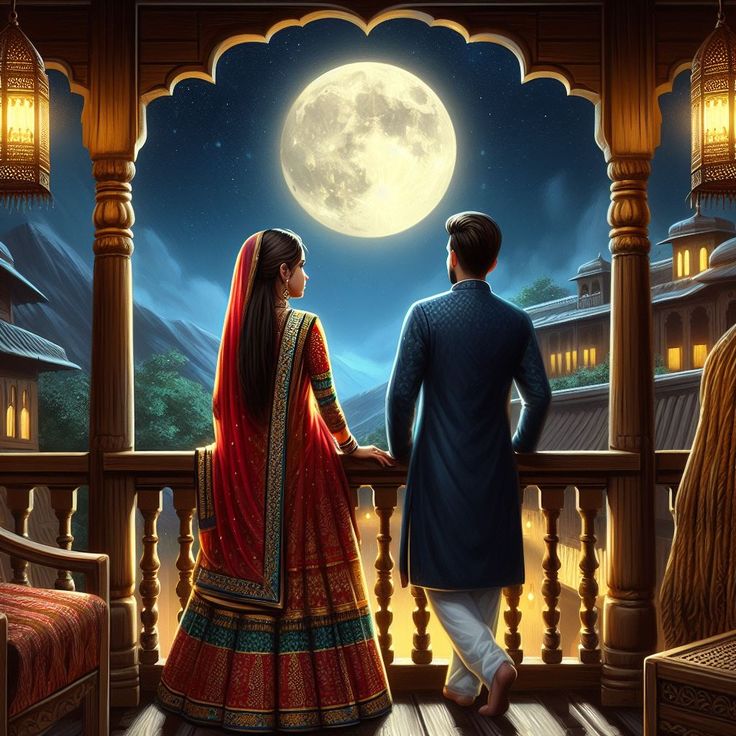
Introduction: The Sacred Significance of Karva Chauth
Karva Chauth is one of the most cherished festivals celebrated by married Hindu women across India and among Indian communities worldwide. It falls on the fourth day (Chaturthi) of the Krishna Paksha in the month of Kartik, according to the Hindu lunar calendar. The festival is dedicated to the well-being, prosperity, and longevity of husbands. Women observe a rigorous fast from sunrise to moonrise, praying for their spouse’s safety and happiness.
The festival beautifully symbolizes love, sacrifice, and unwavering devotion in marriage. It is not merely about abstaining from food and water, but about strengthening emotional and spiritual bonds between partners. Traditionally observed in North India—especially in Punjab, Haryana, Rajasthan, Uttar Pradesh, and Delhi—it has now become popular throughout the country.
The word “Karva” refers to an earthen pot, and “Chauth” means fourth, marking the fourth day of the waning moon. The earthen pot plays a key role during the puja rituals. Over time, Karva Chauth has evolved into a celebration that blends tradition with modernity, with women dressing elegantly, applying mehendi, and participating in community gatherings.
More than a ritual, Karva Chauth is a celebration of commitment and faith. It offers couples a moment to reflect on their partnership and shared journey. In recent times, many husbands also fast alongside their wives as a gesture of solidarity and mutual love.
The Tradition of Sargi: A Blessed Beginning Before Sunrise
The day of Karva Chauth begins before dawn with the ritual of Sargi, a pre-dawn meal traditionally prepared by the mother-in-law for her daughter-in-law. This meal is considered auspicious and is eaten before sunrise to sustain the woman through the day-long fast.
Sargi symbolizes blessings, acceptance, and familial love. It usually includes fruits, dry fruits, sweets like pheni, mathri, coconut, and sometimes parathas or halwa. Along with food, the mother-in-law may gift clothes, jewelry, or bangles as a token of affection.
Eating Sargi is not merely about nourishment; it is about receiving blessings for marital bliss. The daughter-in-law touches her mother-in-law’s feet as a mark of respect and gratitude. This ritual strengthens bonds within the family and reinforces cultural values.
During Sargi, women often wake up together in households or communities. The atmosphere is serene, filled with quiet prayers and anticipation. This early morning ritual sets the spiritual tone for the entire day.
Once the sun rises, the Nirjala fast begins. Women refrain from consuming food or water until they sight the moon at night. The energy and positivity from Sargi help them remain determined and joyful throughout the day.
Observing the Nirjala Fast: Devotion and Determination
The Nirjala fast, meaning a fast without food and water, is the most significant aspect of Karva Chauth. From sunrise to moonrise, women abstain from eating or drinking, dedicating their day to prayers and reflection.
The fast represents self-discipline, faith, and the depth of marital devotion. It is believed that sincere observance of the fast ensures the husband’s longevity and protection from harm. Women spend the day engaging in light activities, devotional singing, and preparing for the evening rituals.
Applying mehendi (henna) on hands and feet is an important part of the celebration. The darker the mehendi, the deeper the love and affection between husband and wife, according to popular belief. Women adorn themselves with bridal attire, jewelry, bangles, sindoor, and bindi.
In many communities, women gather in groups to listen to the Karva Chauth Vrat Katha (the traditional story associated with the festival). This storytelling session reinforces the spiritual meaning behind the fast and keeps traditions alive.
Though the fast is physically demanding, the emotional fulfillment and spiritual satisfaction give women strength. Modern couples often reinterpret this ritual as a mutual promise of care and companionship.
Preparing the Puja Thali: Sacred Arrangements and Offerings
The Puja Thali plays a central role in the evening rituals of Karva Chauth. Carefully arranged with sacred items, it symbolizes devotion and gratitude. Women decorate the thali beautifully with roli (kumkum), rice grains, diya (lamp), sweets, flowers, and a small karva filled with water.
The decorated thali reflects the beauty of faith and the joy of celebration. The diya represents light and divine blessings, while the karva (earthen pot) signifies prosperity and continuity of life. Some women also include a sieve (channi), which is later used during the moon ritual.
Every item placed in the thali carries symbolic meaning rooted in tradition. The rice symbolizes purity, the kumkum stands for marital status, and sweets represent happiness and fulfillment. Preparing the thali mindfully is considered an act of devotion.
In many homes, women exchange decorated thalis with one another during community gatherings. This exchange fosters unity and shared spirituality among married women. It is a beautiful display of cultural bonding.
The puja usually begins in the evening before moonrise, where women sit in a circle, pass the karva around, and sing traditional songs. This collective participation enhances the festive spirit and reinforces shared faith.
The Moon Ritual: A Sacred Moment of Love and Blessing
The most awaited and emotional moment of Karva Chauth is the sighting of the moon. After a full day of fasting, women eagerly wait for the moon to rise. Once visible, they perform the Chandra Darshan ritual.
The moon symbolizes calmness, purity, and divine witness to marital vows. Women first offer water (arghya) to the moon using the karva, praying for their husband’s health and long life. They then look at the moon through a sieve and subsequently at their husband through the same sieve.
This act signifies filtering negativity and seeing one’s partner with clarity and love. The husband then offers water and the first bite of food to his wife, marking the end of the fast. This tender exchange represents gratitude and mutual respect.
The moon ritual is often accompanied by emotional moments and heartfelt smiles. It beautifully captures the essence of devotion meeting companionship. Families gather to witness this sacred scene, creating memories that last a lifetime.
In modern times, even if the moon is not visible due to weather, couples rely on lunar timings or online updates. Yet the emotional significance remains unchanged—the ritual remains a powerful expression of love and faith.
Puja Vidhi: Step-by-Step Guide to Performing Karva Chauth Puja
The Puja Vidhi is the structured ritual that guides the spiritual observance of Karva Chauth. It usually begins in the evening before moonrise. Women gather with their puja thalis and sit facing the idol or image of Goddess Parvati, Lord Shiva, and Lord Ganesha.
Invoking divine blessings is central to the ritual’s sanctity. Women light the diya and apply roli and rice to the idols. They listen attentively to the Karva Chauth Vrat Katha, which narrates the story of Queen Veeravati and the significance of steadfast devotion.
Passing the karva around in a circle while chanting prayers symbolizes unity and shared blessings. Each participant pours a little water into another’s karva, representing goodwill and sisterhood. The ritual concludes with aarti and collective prayers.
After the puja, women seek blessings from elders by touching their feet. Respect for elders and adherence to tradition strengthen familial harmony. Gifts and sweets are exchanged, adding joy to the spiritual celebration.
Performing the Puja Vidhi with sincerity is believed to bring divine grace into the household. The ceremony reinforces values of patience, love, sacrifice, and gratitude.
Modern Celebrations and Evolving Traditions
Karva Chauth today blends traditional rituals with contemporary lifestyles. While the core values remain intact, celebrations now include virtual gatherings, designer outfits, themed mehendi parties, and social media sharing.
The festival continues to evolve while preserving its spiritual foundation. Many couples reinterpret the fast as a mutual commitment rather than a one-sided sacrifice. Husbands fasting alongside their wives reflects changing societal perspectives.
Urban celebrations may include community events, cultural performances, and festive dinners after moonrise. Despite modernization, the emotional essence of Karva Chauth remains deeply rooted in devotion and marital love.
Even for newlyweds or couples living abroad, Karva Chauth provides a meaningful connection to cultural heritage. Technology enables families to celebrate together virtually, ensuring traditions continue across distances.
Ultimately, Karva Chauth is not about hardship but about heartfelt intention. It reminds couples of the sacredness of partnership and the beauty of shared rituals.
Conclusion: The Eternal Bond Celebrated Under the Moonlight
Karva Chauth stands as a timeless celebration of love, faith, and marital unity. From the early morning Sargi to the moonlit ritual, every step of the day reflects devotion and hope.
The festival teaches patience, gratitude, and the strength of spiritual commitment. Through fasting, prayer, and celebration, women express their deepest wishes for their husband’s well-being and longevity.
The sight of the moon through the sieve remains an iconic symbol of unwavering love. It captures the emotional essence of the festival in one serene moment. Families gather, blessings flow, and hearts unite in gratitude.
As traditions adapt to modern times, the spirit of Karva Chauth continues to shine brightly. It is a celebration of companionship built on trust, respect, and enduring affection.
Under the gentle glow of the moon, promises are renewed, prayers are whispered, and love is celebrated in its purest form.
Leave a Reply