Introduction: Celebrating Holi with Devotion and Responsibility
Holi is one of India’s most vibrant and spiritually significant festivals, symbolizing the triumph of good over evil and the arrival of spring. While grand public celebrations are common, many families today prefer to celebrate Holi at home in a safe, meaningful, and spiritually fulfilling way. Celebrating at home allows you to focus on traditions, rituals, and quality time with loved ones. It creates a peaceful environment where the spiritual essence of the festival can truly be experienced.
The festival begins with Holika Dahan, the ritual bonfire that signifies the burning away of negativity and ego. The following day, known as Rangwali Holi, is filled with colors, joy, and celebration. However, modern concerns about chemical colors and environmental impact make it important to adopt safe and eco-friendly practices. Celebrating Holi at home allows you to combine devotion, safety, sustainability, and joyful traditions in a balanced way.
By understanding the rituals and practicing mindful celebrations, families can make Holi not just colorful but spiritually enriching. The true celebration of Holi begins in the heart, where positivity replaces negativity and love replaces fear.
Understanding the Spiritual Significance of Holika Dahan
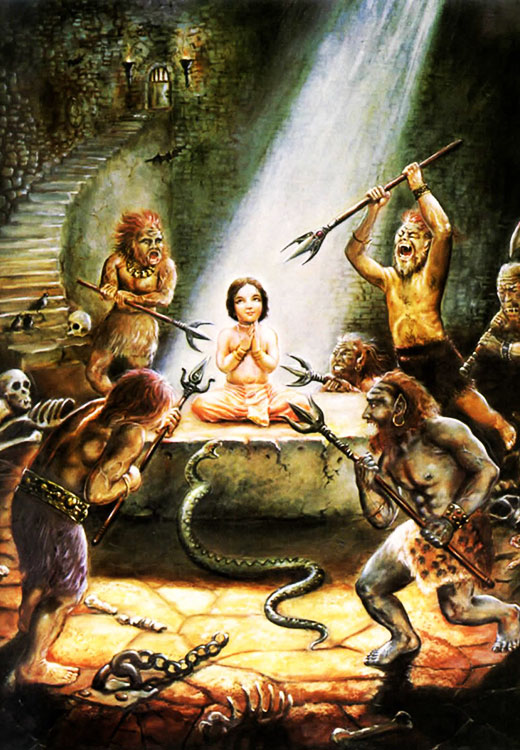
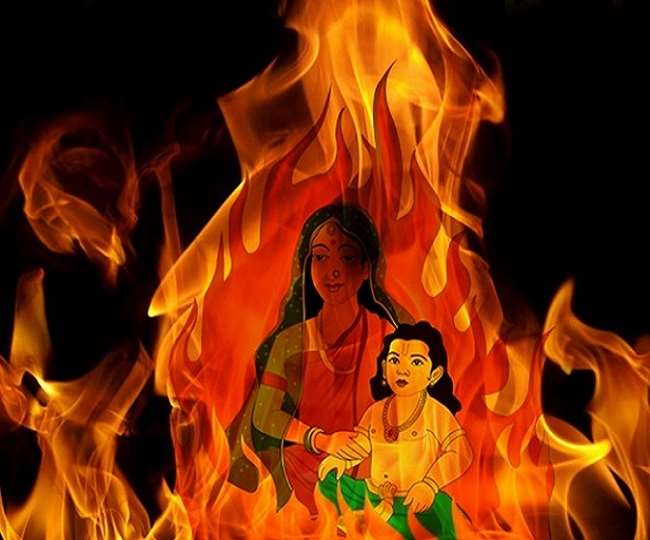
Holika Dahan is performed on the eve of Holi and holds deep mythological significance. It commemorates the victory of Prahlad’s unwavering devotion over the arrogance of King Hiranyakashipu and the evil intentions of Holika. The bonfire represents the burning of negative energies, pride, and harmful thoughts.
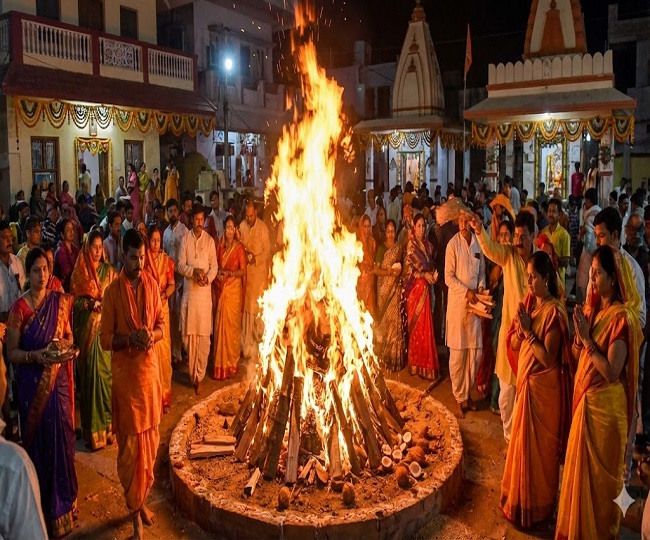
Traditionally, people gather around the fire, offer prayers, and perform parikrama (circumambulation) to seek blessings for prosperity and protection. At home, you can create a small symbolic bonfire using natural materials in a safe outdoor area or perform a symbolic ritual with a diya if space is limited. The essence of Holika Dahan is not the size of the fire, but the sincerity of the prayer.
Families often offer grains, coconut, and sweets into the fire as symbols of gratitude and surrender. Holika Dahan reminds us that faith, devotion, and righteousness always triumph over negativity.
Step-by-Step Guide to Performing Holika Dahan at Home
To perform Holika Dahan at home, begin by cleaning the space where the ritual will take place. Cleanliness symbolizes purity of mind and heart. Choose an open and safe area such as a terrace or courtyard, ensuring all safety precautions are followed.
Arrange small pieces of wood, cow dung cakes (if available), and natural materials to create a modest bonfire. Light the fire during the auspicious muhurat (timing) after sunset. Chant prayers or recite devotional hymns while offering grains and flowers. The ritual becomes powerful when performed with devotion, gratitude, and positive intentions.
Walk around the fire with family members, praying for health, happiness, and protection from negativity. If a bonfire is not feasible, light a diya and meditate on letting go of negative emotions. Holika Dahan at home symbolizes the burning away of anger, jealousy, and ego within us.
Preparing for Rangwali Holi at Home
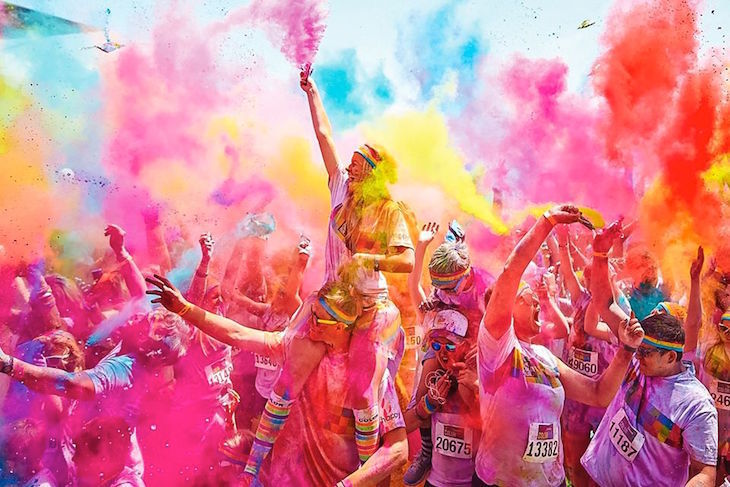
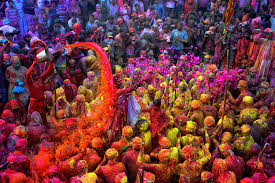
The next day is Rangwali Holi, the festival of colors and joy. Preparing at home ensures a safe and enjoyable celebration. Start by decorating your home with flowers, rangoli designs, and colorful fabrics to create a festive atmosphere.
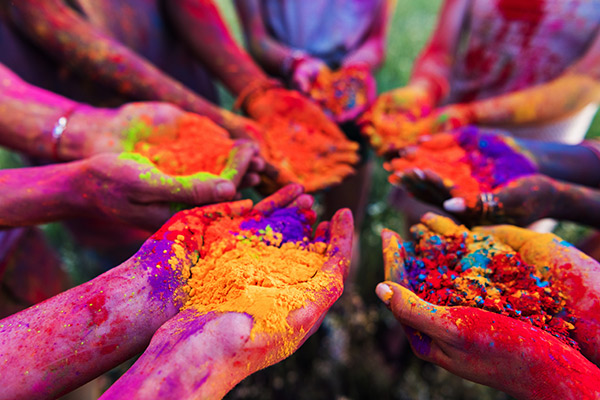
Choose organic and natural colors made from flowers, turmeric, sandalwood, and herbal powders. Avoid synthetic colors that may cause skin allergies or environmental harm. Encourage children and elders to participate safely. Using natural colors reflects respect for health, nature, and tradition.
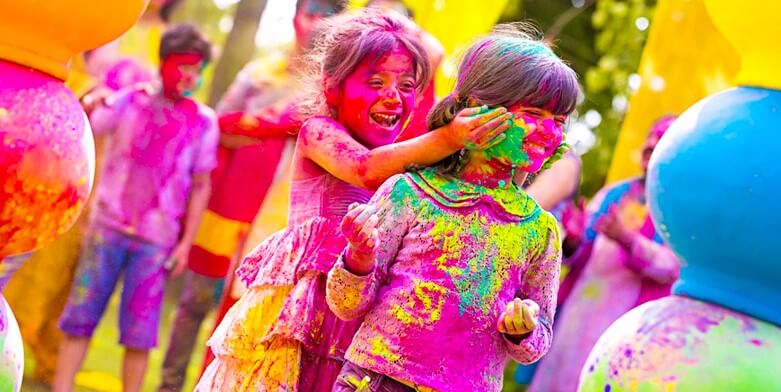
Plan simple activities like playing music, singing devotional songs, or sharing festive sweets. Celebrating Holi at home allows families to create joyful memories while staying safe and connected.
Safe and Eco-Friendly Color Traditions
Modern Holi celebrations often involve chemical-based colors that can harm skin, hair, and the environment. Opting for eco-friendly alternatives ensures safety and sustainability. Homemade colors can be prepared using natural ingredients like beetroot for pink, turmeric for yellow, and henna for green.
Before playing Holi, apply coconut oil to your skin and hair to protect them from dryness. Wear old but comfortable clothes that cover your body properly. Keep water usage minimal to conserve resources. Safe color traditions emphasize health, environmental awareness, and mindful celebration.
Encourage dry Holi celebrations with limited water use to reduce wastage. After the celebration, clean up responsibly to protect your surroundings. Playing Holi responsibly reflects love not just for people, but also for nature.
Traditional Foods and Festive Delights at Home
No Holi celebration is complete without delicious traditional dishes. Preparing festive sweets and snacks at home enhances the celebratory spirit. Popular Holi delicacies include gujiya, malpua, dahi bhalla, and thandai.
Cooking together as a family strengthens bonds and creates a joyful atmosphere. Offer these dishes to the deity during morning prayers before sharing them with loved ones. Sharing homemade food symbolizes unity, gratitude, and celebration.
Be mindful of health by maintaining balance and moderation in festive indulgence. Include fresh fruits and lighter options for elders and children. Festive meals during Holi represent abundance, togetherness, and joyful sharing.
Holi Activities for Families and Children
Celebrating Holi at home provides an opportunity to engage children in meaningful activities. Teach them the story of Prahlad and Holika to instill moral values. Organize small creative sessions like painting, crafting eco-friendly colors, or storytelling.
You can also arrange indoor games, dance sessions, and devotional singing. Creating a safe play zone ensures that everyone enjoys without risk of injury. Family-oriented celebrations foster bonding, learning, and emotional connection.
Encourage children to express gratitude and positivity during the festival. Holi becomes a lesson in kindness, forgiveness, and joyful living when celebrated with awareness.
Maintaining Safety and Respect During Holi
Safety is a priority while celebrating Holi at home. Avoid applying colors forcefully and respect personal boundaries. Ensure that elderly family members are comfortable and protected from loud noises or excessive excitement.
Keep emergency supplies such as clean water, towels, and first-aid items nearby. Avoid slippery surfaces by limiting water use. Respect, consent, and safety are essential elements of a meaningful Holi celebration.
Holi should be a time of joy and harmony, not discomfort or harm. Celebrating responsibly ensures that the spirit of love and unity remains intact.
Spiritual Reflection and Gratitude
Beyond rituals and colors, Holi offers a chance for spiritual reflection. Take a few moments to meditate, pray, or express gratitude for blessings in life. Reflect on personal growth and let go of grudges or negative emotions.
Forgiving others and seeking forgiveness strengthens relationships. Holi symbolizes renewal, making it an ideal time to start fresh with positivity. Spiritual reflection transforms Holi from a festival into a meaningful life experience.
By celebrating with devotion and awareness, you align with the deeper message of Holi. The real beauty of Holi lies in cleansing the heart and embracing divine joy.
Conclusion: Celebrating Holi with Love, Safety, and Devotion
Celebrating Holi at home allows you to combine tradition, spirituality, and safety in a harmonious way. From performing Holika Dahan rituals to enjoying eco-friendly color traditions, every step can be meaningful and joyful.
By focusing on devotion, gratitude, and responsible celebration, families can preserve the true spirit of the festival. Holi is not just about colors; it is about unity, forgiveness, and spiritual renewal. When celebrated mindfully, Holi becomes a powerful reminder that positivity always triumphs over negativity.
This year, embrace the festival with love, safety, and awareness. Let your home be filled with vibrant colors, heartfelt prayers, and the timeless message of hope and happiness that Holi brings.