Tag: festival of lights

  • How to Celebrate Diwali the Traditional Way: Lakshmi Puja Vidhi, Muhurat, and Ritual Guide

    How to Celebrate Diwali the Traditional Way: Lakshmi Puja Vidhi, Muhurat, and Ritual Guide

    Introduction: The Sacred Essence of Traditional Diwali

    Diwali, also known as Deepavali, is one of the most spiritually significant festivals in Hindu tradition. While modern celebrations often highlight fireworks, shopping, and sweets, the true essence of Diwali lies in devotion, purification, and divine blessings. The festival commemorates the return of Lord Rama to Ayodhya and also marks the worship of Goddess Lakshmi, the deity of wealth, prosperity, and abundance.

    Celebrating Diwali the traditional way involves mindful preparation, observing auspicious timings (muhurat), performing Lakshmi Puja with devotion, and maintaining spiritual discipline. The rituals are designed to cleanse the home and heart, inviting positive energy and prosperity. Diwali is not merely about external light; it is about awakening inner illumination and gratitude.

    By understanding the authentic Lakshmi Puja Vidhi and its spiritual significance, families can celebrate Diwali with deeper meaning. Traditional Diwali rituals connect us to ancient wisdom, divine grace, and the timeless victory of light over darkness.


    Preparing for Diwali: Cleansing and Spiritual Readiness

    Traditional Diwali celebrations begin days in advance with thorough cleaning of the home. This practice symbolizes the removal of negativity, clutter, and stagnant energy. It is believed that Goddess Lakshmi visits homes that are clean, organized, and filled with positivity.

    Families repaint walls, decorate entrances, and create colorful rangoli designs to welcome prosperity. The entrance door is often adorned with torans made of mango leaves or marigold flowers. These decorations signify auspiciousness and joy. Cleaning the home is considered a sacred act of inviting divine blessings and spiritual renewal.

    Preparation also includes mental purification — letting go of grudges, forgiving others, and cultivating gratitude. True readiness for Lakshmi Puja begins within the heart, not just within the home.


    Understanding the Significance of Lakshmi Puja

    Lakshmi Puja is the central ritual of Diwali, performed on the Amavasya (new moon night) of the Kartik month. On this night, the darkness of the sky symbolizes ignorance, and the lighting of lamps represents spiritual awakening. Goddess Lakshmi is worshipped along with Lord Ganesha, who removes obstacles.

    Lakshmi represents prosperity, wealth, fortune, and abundance, but her blessings extend beyond material riches. She symbolizes harmony, well-being, and spiritual growth. Worshipping Lakshmi is not merely about wealth; it is about inviting balance, purity, and divine grace into life.

    The puja strengthens faith and aligns the family with sacred vibrations. Lakshmi Puja is a sacred bridge between devotion and prosperity.


    Lakshmi Puja Muhurat: Choosing the Auspicious Time

    Performing Lakshmi Puja during the correct muhurat is considered highly important. The most auspicious time is during Pradosh Kaal (after sunset) when the new moon night begins. The exact timing varies each year according to the Hindu lunar calendar.

    The ideal muhurat usually falls within a 1–2 hour window in the evening. It is believed that performing the puja during this sacred period maximizes spiritual benefits. Families often consult a panchang (Hindu almanac) for precise timing. Observing the correct muhurat aligns human action with cosmic energy and divine rhythm.

    Lighting diyas before the muhurat and beginning the puja with focused devotion enhances its spiritual impact. Sacred timing transforms a ritual into a powerful spiritual experience.


    Lakshmi Puja Vidhi: Step-by-Step Ritual Guide

    To perform Lakshmi Puja traditionally, begin by bathing and wearing clean or new clothes. Prepare a clean altar in the northeast direction of the home. Place idols or images of Goddess Lakshmi and Lord Ganesha on a raised platform.

    Spread a red or yellow cloth on the altar, as these colors symbolize prosperity and purity. Place kalash (a copper pot filled with water) with mango leaves and a coconut on top. Arrange offerings such as flowers, fruits, sweets, incense sticks, diya, turmeric, kumkum, rice grains, and coins. Every element in the puja setup represents abundance, devotion, and gratitude.

    Begin by invoking Lord Ganesha to remove obstacles. Then chant Lakshmi mantras and offer flowers and sweets. Perform aarti with devotion and conclude with prayers for prosperity and harmony. The sincerity of devotion matters more than elaborate arrangements.


    Importance of Lighting Diyas and Decorating with Rangoli

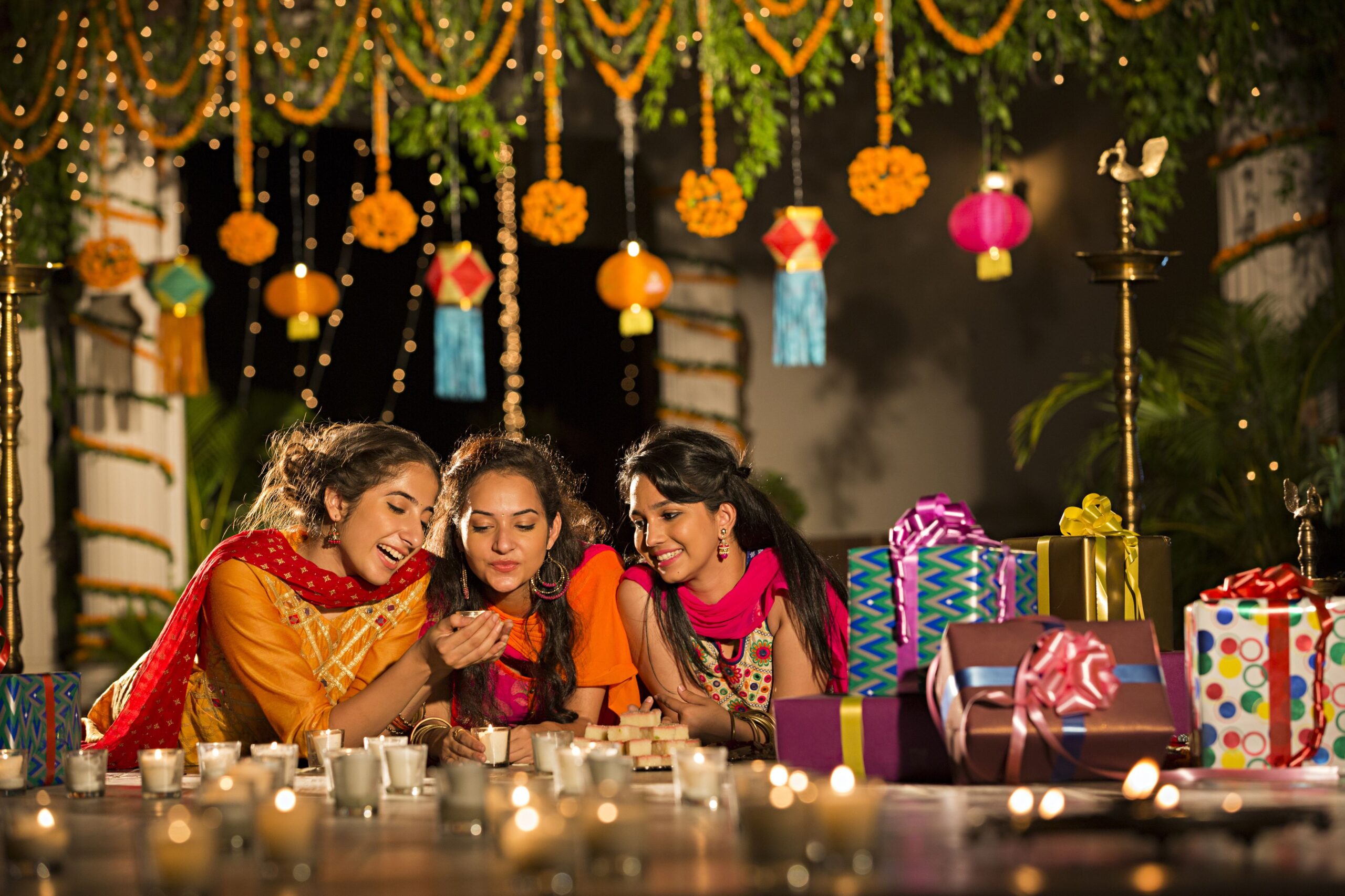
    Lighting diyas is one of the most iconic Diwali traditions. Oil lamps are placed at the entrance, windows, balconies, and puja room. The warm glow of diyas symbolizes knowledge and spiritual clarity.

    Rangoli designs created with colorful powders at the entrance invite positive energy and symbolize welcoming Goddess Lakshmi. Traditional motifs include lotus flowers, footprints of Lakshmi, and geometric patterns. The diya’s flame represents the victory of wisdom over ignorance.

    Decorating the home mindfully fosters a festive and sacred atmosphere. Each lamp lit during Diwali becomes a symbol of hope, faith, and divine presence.


    Traditional Offerings and Prasad

    Offerings made during Lakshmi Puja reflect gratitude and devotion. Common prasad includes sweets like laddoos, barfi, kheer, and dry fruits. Coins and currency notes are also placed before the deity as symbols of wealth.

    After the puja, prasad is distributed among family members and guests, symbolizing shared prosperity and unity. Offering homemade sweets enhances the purity of the ritual. Prasad represents blessings received and gratitude expressed.

    Sharing food strengthens bonds and spreads joy. In traditional Diwali celebrations, giving and sharing are as important as receiving blessings.


    Maintaining Spiritual Discipline During Diwali

    Traditional Diwali celebrations emphasize discipline and positivity. Families wake up early, chant prayers, and avoid negative speech or actions. Charity and donations are considered highly auspicious during this time.

    Helping the less fortunate reflects Lakshmi’s blessings in action. Donating food, clothes, or money brings spiritual fulfillment. Generosity during Diwali multiplies divine blessings and spreads collective happiness.

    Maintaining calmness, gratitude, and humility enhances the festival’s spiritual impact. Diwali is a time to elevate the soul through kindness and compassion.


    Beyond Rituals: Embracing the True Spirit of Diwali

    While rituals are essential, the deeper meaning of Diwali lies in transformation. It is a time to reflect on personal growth and overcome inner darkness such as anger, jealousy, and ego.

    Forgiveness and reconciliation are key aspects of traditional celebrations. Families strengthen relationships and begin anew with positivity. The real light of Diwali shines in hearts filled with love and harmony.

    By celebrating with devotion and awareness, Diwali becomes a life-changing spiritual event. Traditional Diwali is not about extravagance but about spiritual awakening and gratitude.


    Conclusion: Celebrating Diwali with Devotion and Authenticity

    Celebrating Diwali the traditional way reconnects us with ancient wisdom and sacred values. From cleaning the home and observing muhurat to performing Lakshmi Puja with sincerity, each ritual carries deep meaning.

    The festival reminds us that prosperity flows where purity, gratitude, and righteousness reside. By embracing authentic traditions, we preserve the spiritual essence of Diwali for future generations. True Diwali celebration is about illuminating the home, the mind, and the soul.

    May this Diwali bring peace, prosperity, and divine blessings into your life. Let every diya you light become a beacon of hope, faith, and spiritual awakening.
  • How Rama’s Return to Ayodhya Became the Festival of Lights: The True Story of Diwali

    How Rama’s Return to Ayodhya Became the Festival of Lights: The True Story of Diwali

    Introduction: The Eternal Significance of Diwali

    Diwali, known as Deepavali in Sanskrit, literally means “a row of lights.” It is one of the most sacred and widely celebrated festivals in India and among Hindu communities around the world. While today it is associated with glittering diyas, sparkling fireworks, festive sweets, and joyful family gatherings, its deepest roots lie in the epic narrative of Lord Rama described in the ancient scripture Ramayana. The return of Rama to Ayodhya after fourteen years of exile and his victory over Ravana became the spiritual foundation of what we now celebrate as Diwali.

    For devotees, Diwali is not simply a festival of material celebration but a spiritual reminder of righteousness, sacrifice, and divine justice. The lighting of lamps symbolizes the triumph of knowledge over ignorance and virtue over vice. Diwali represents the eternal victory of light over darkness, hope over despair, and dharma over adharma.

    To truly understand Diwali, we must revisit the sacred journey of Rama — a journey filled with trials, devotion, courage, and ultimate triumph. The story of Diwali is not just history; it is a living message for every generation.


    Ayodhya and the Promise of a Righteous King

    Ayodhya, the prosperous kingdom ruled by King Dasharatha, was known for its peace and righteousness. Rama, the eldest son of Dasharatha, was admired for his noble character, wisdom, and compassion. The people eagerly awaited his coronation as king. However, destiny had different plans.

    Due to a boon granted to Queen Kaikeyi in the past, Dasharatha was bound by promise to send Rama into exile for fourteen years and crown Bharata instead. Despite the injustice, Rama accepted the exile calmly, placing his father’s honor above his own comfort. His obedience demonstrated that true greatness lies in upholding truth, even at personal cost.

    This moment marked the beginning of a transformative journey. Rama’s exile was not a fall from grace but the unfolding of divine purpose.


    Fourteen Years of Exile: Trials and Spiritual Strength

    Rama’s exile was not merely a physical journey into the forest; it was a spiritual journey of endurance and faith. Accompanied by Sita and Lakshmana, he lived a life of simplicity, protecting sages and upholding righteousness wherever he went.

    The forest years symbolized life’s inevitable hardships. Rama faced challenges without bitterness or resentment. Sita’s unwavering support and Lakshmana’s loyalty reflected the strength of family bonds rooted in devotion. The exile teaches that dignity and integrity must remain intact even during adversity.

    These fourteen years shaped Rama’s destiny and prepared him for the greater battle ahead. Hardship became the path through which divine virtue was revealed.


    The Abduction of Sita: A Turning Point

    The peaceful exile was disrupted when Ravana, the powerful king of Lanka, abducted Sita through deception. Ravana’s act symbolized ego, pride, and misuse of power. It was not just a personal conflict but a cosmic battle between good and evil.

    Rama’s grief transformed into determination. With the help of Hanuman and the Vanara army led by Sugriva, he set out to rescue Sita. The building of the bridge to Lanka, known as Rama Setu, symbolized faith and teamwork overcoming impossibility. The quest to rescue Sita became a mission to restore moral balance in the world.

    This event marked the escalation from exile to epic confrontation. It showed that evil may challenge righteousness, but it cannot extinguish it.


    The Battle of Lanka and the Fall of Ravana

    The battle between Rama and Ravana was monumental. Ravana, though learned and powerful, allowed arrogance to dominate his wisdom. Rama, guided by dharma, fought not out of hatred but out of duty.

    With the guidance of sages and divine weapons, Rama ultimately defeated Ravana. His victory symbolized the destruction of ego and injustice. The battlefield became a sacred ground where righteousness triumphed. Rama’s victory was not just the defeat of a demon king, but the reaffirmation that virtue always prevails.

    The fall of Ravana teaches that knowledge without humility leads to downfall. The triumph in Lanka set the stage for the joyous return to Ayodhya.


    The Joyous Return to Ayodhya: The First Festival of Lights

    After completing fourteen years of exile and fulfilling his mission, Rama returned to Ayodhya with Sita and Lakshmana. The people of Ayodhya had long awaited his arrival, living in hope and devotion. When news spread of his return, the entire kingdom erupted in celebration.

    To welcome their rightful king, the citizens lit rows upon rows of oil lamps across streets, homes, and temples. The city shimmered with golden light, symbolizing collective happiness and relief. The lighting of diyas signified the end of darkness and the restoration of righteous rule.

    That night became the origin of Diwali. Every Diwali lamp lit today echoes the first lamps that illuminated Ayodhya in honor of Rama’s return.


    The Deeper Symbolism of Light and Darkness

    The story of Diwali is deeply symbolic. Darkness represents ignorance, fear, and negativity. Light represents wisdom, hope, and spiritual awakening. When the people of Ayodhya lit lamps, they symbolized the removal of sorrow and the welcoming of divine presence.

    The diya itself holds spiritual meaning. Its flame points upward, reminding us to rise above worldly limitations. The oil signifies devotion, and the wick represents the human soul. Lighting a diya is an act of igniting inner consciousness and divine awareness.

    Thus, Diwali becomes a metaphor for inner transformation. It teaches that even the smallest light of goodness can dispel immense darkness.


    The Role of Sita, Lakshmana, and Hanuman in the Celebration

    Diwali is not solely about Rama; it honors the collective strength of devotion and loyalty. Sita symbolizes purity and resilience. Her endurance during captivity reflects unshakable faith.

    Lakshmana’s unwavering support shows the power of selfless brotherhood. Hanuman embodies devotion and service without expectation. His courage and humility were instrumental in Rama’s victory. Together, they represent virtues that form the foundation of harmonious living.

    Their return to Ayodhya signified unity and restoration. Diwali celebrates the triumph of collective righteousness over individual arrogance.


    Rama Rajya: The Ideal Kingdom

    After returning to Ayodhya, Rama was crowned king, ushering in an era known as Rama Rajya — a period of peace, justice, and prosperity. Under his rule, the kingdom flourished with fairness and compassion.

    Rama Rajya represents the ideal governance where truth and justice prevail. Citizens lived without fear, guided by moral values. Diwali therefore symbolizes not just victory, but the establishment of harmony and ethical leadership.

    The concept continues to inspire societies seeking justice and equality. Rama’s reign reminds us that leadership rooted in virtue transforms nations.


    Modern Diwali: Tradition Rooted in Sacred History

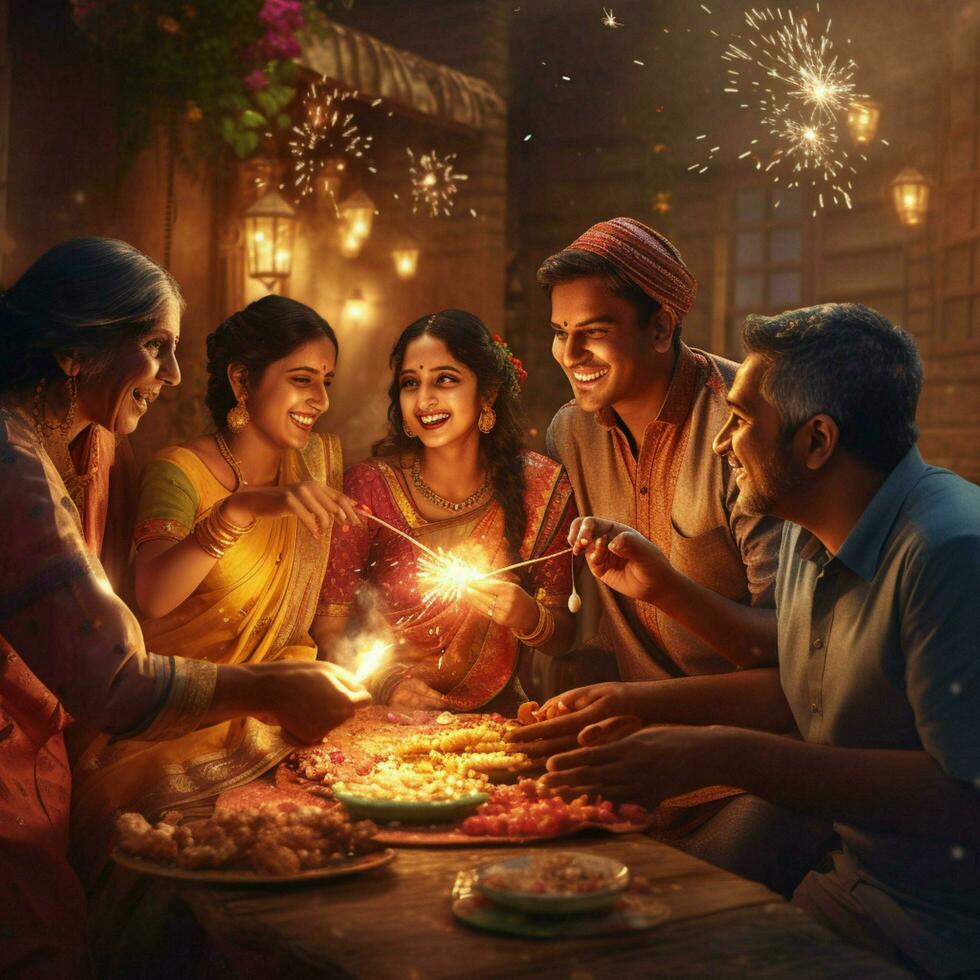
    Today, Diwali is celebrated over five days with rituals, prayers, and festivities. Homes are cleaned and decorated, symbolizing readiness to welcome positivity. Families perform Lakshmi Puja, seeking blessings for prosperity and well-being.

    Fireworks and sweets add joy to the celebration, but the spiritual essence remains central. The lighting of lamps continues to symbolize Rama’s return and the victory of dharma. Modern celebrations are vibrant expressions of an ancient spiritual story.

    Beyond material joy, Diwali encourages gratitude, forgiveness, and renewal. It invites us to cleanse our hearts and welcome inner illumination.


    Conclusion: The Everlasting Message of Diwali

    The true story of Diwali begins with exile, struggle, and faith, and culminates in triumphant return and joyful celebration. Rama’s journey teaches patience, integrity, and courage. His return to Ayodhya became a timeless symbol of hope and righteousness.

    Every diya lit during Diwali connects us to that sacred night when Ayodhya shone with devotion. The festival reminds us that darkness is temporary, but light is eternal. Diwali is not merely a festival of lamps; it is a celebration of the eternal victory of truth.

    As we celebrate Diwali each year, may we remember its deeper meaning. Let us illuminate not only our homes but also our hearts with compassion, wisdom, and unwavering faith in the triumph of good over evil.