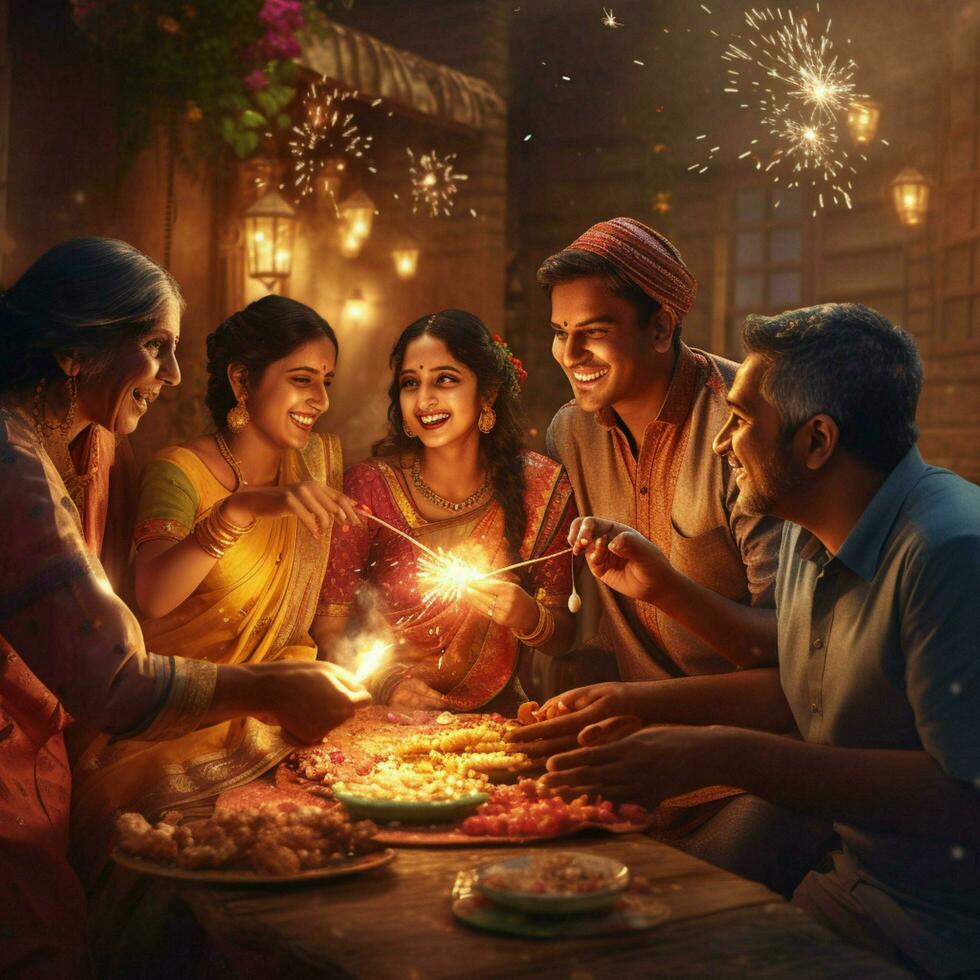
Introduction: The Sacred Essence of Traditional Diwali
Diwali, also known as Deepavali, is one of the most spiritually significant festivals in Hindu tradition. While modern celebrations often highlight fireworks, shopping, and sweets, the true essence of Diwali lies in devotion, purification, and divine blessings. The festival commemorates the return of Lord Rama to Ayodhya and also marks the worship of Goddess Lakshmi, the deity of wealth, prosperity, and abundance.
Celebrating Diwali the traditional way involves mindful preparation, observing auspicious timings (muhurat), performing Lakshmi Puja with devotion, and maintaining spiritual discipline. The rituals are designed to cleanse the home and heart, inviting positive energy and prosperity. Diwali is not merely about external light; it is about awakening inner illumination and gratitude.
By understanding the authentic Lakshmi Puja Vidhi and its spiritual significance, families can celebrate Diwali with deeper meaning. Traditional Diwali rituals connect us to ancient wisdom, divine grace, and the timeless victory of light over darkness.
Preparing for Diwali: Cleansing and Spiritual Readiness
Traditional Diwali celebrations begin days in advance with thorough cleaning of the home. This practice symbolizes the removal of negativity, clutter, and stagnant energy. It is believed that Goddess Lakshmi visits homes that are clean, organized, and filled with positivity.
Families repaint walls, decorate entrances, and create colorful rangoli designs to welcome prosperity. The entrance door is often adorned with torans made of mango leaves or marigold flowers. These decorations signify auspiciousness and joy. Cleaning the home is considered a sacred act of inviting divine blessings and spiritual renewal.
Preparation also includes mental purification — letting go of grudges, forgiving others, and cultivating gratitude. True readiness for Lakshmi Puja begins within the heart, not just within the home.
Understanding the Significance of Lakshmi Puja
Lakshmi Puja is the central ritual of Diwali, performed on the Amavasya (new moon night) of the Kartik month. On this night, the darkness of the sky symbolizes ignorance, and the lighting of lamps represents spiritual awakening. Goddess Lakshmi is worshipped along with Lord Ganesha, who removes obstacles.
Lakshmi represents prosperity, wealth, fortune, and abundance, but her blessings extend beyond material riches. She symbolizes harmony, well-being, and spiritual growth. Worshipping Lakshmi is not merely about wealth; it is about inviting balance, purity, and divine grace into life.
The puja strengthens faith and aligns the family with sacred vibrations. Lakshmi Puja is a sacred bridge between devotion and prosperity.
Lakshmi Puja Muhurat: Choosing the Auspicious Time
Performing Lakshmi Puja during the correct muhurat is considered highly important. The most auspicious time is during Pradosh Kaal (after sunset) when the new moon night begins. The exact timing varies each year according to the Hindu lunar calendar.
The ideal muhurat usually falls within a 1–2 hour window in the evening. It is believed that performing the puja during this sacred period maximizes spiritual benefits. Families often consult a panchang (Hindu almanac) for precise timing. Observing the correct muhurat aligns human action with cosmic energy and divine rhythm.
Lighting diyas before the muhurat and beginning the puja with focused devotion enhances its spiritual impact. Sacred timing transforms a ritual into a powerful spiritual experience.
Lakshmi Puja Vidhi: Step-by-Step Ritual Guide
To perform Lakshmi Puja traditionally, begin by bathing and wearing clean or new clothes. Prepare a clean altar in the northeast direction of the home. Place idols or images of Goddess Lakshmi and Lord Ganesha on a raised platform.
Spread a red or yellow cloth on the altar, as these colors symbolize prosperity and purity. Place kalash (a copper pot filled with water) with mango leaves and a coconut on top. Arrange offerings such as flowers, fruits, sweets, incense sticks, diya, turmeric, kumkum, rice grains, and coins. Every element in the puja setup represents abundance, devotion, and gratitude.
Begin by invoking Lord Ganesha to remove obstacles. Then chant Lakshmi mantras and offer flowers and sweets. Perform aarti with devotion and conclude with prayers for prosperity and harmony. The sincerity of devotion matters more than elaborate arrangements.
Importance of Lighting Diyas and Decorating with Rangoli
Lighting diyas is one of the most iconic Diwali traditions. Oil lamps are placed at the entrance, windows, balconies, and puja room. The warm glow of diyas symbolizes knowledge and spiritual clarity.
Rangoli designs created with colorful powders at the entrance invite positive energy and symbolize welcoming Goddess Lakshmi. Traditional motifs include lotus flowers, footprints of Lakshmi, and geometric patterns. The diya’s flame represents the victory of wisdom over ignorance.
Decorating the home mindfully fosters a festive and sacred atmosphere. Each lamp lit during Diwali becomes a symbol of hope, faith, and divine presence.
Traditional Offerings and Prasad
Offerings made during Lakshmi Puja reflect gratitude and devotion. Common prasad includes sweets like laddoos, barfi, kheer, and dry fruits. Coins and currency notes are also placed before the deity as symbols of wealth.
After the puja, prasad is distributed among family members and guests, symbolizing shared prosperity and unity. Offering homemade sweets enhances the purity of the ritual. Prasad represents blessings received and gratitude expressed.
Sharing food strengthens bonds and spreads joy. In traditional Diwali celebrations, giving and sharing are as important as receiving blessings.
Maintaining Spiritual Discipline During Diwali
Traditional Diwali celebrations emphasize discipline and positivity. Families wake up early, chant prayers, and avoid negative speech or actions. Charity and donations are considered highly auspicious during this time.
Helping the less fortunate reflects Lakshmi’s blessings in action. Donating food, clothes, or money brings spiritual fulfillment. Generosity during Diwali multiplies divine blessings and spreads collective happiness.
Maintaining calmness, gratitude, and humility enhances the festival’s spiritual impact. Diwali is a time to elevate the soul through kindness and compassion.
Beyond Rituals: Embracing the True Spirit of Diwali
While rituals are essential, the deeper meaning of Diwali lies in transformation. It is a time to reflect on personal growth and overcome inner darkness such as anger, jealousy, and ego.
Forgiveness and reconciliation are key aspects of traditional celebrations. Families strengthen relationships and begin anew with positivity. The real light of Diwali shines in hearts filled with love and harmony.
By celebrating with devotion and awareness, Diwali becomes a life-changing spiritual event. Traditional Diwali is not about extravagance but about spiritual awakening and gratitude.
Conclusion: Celebrating Diwali with Devotion and Authenticity
Celebrating Diwali the traditional way reconnects us with ancient wisdom and sacred values. From cleaning the home and observing muhurat to performing Lakshmi Puja with sincerity, each ritual carries deep meaning.
The festival reminds us that prosperity flows where purity, gratitude, and righteousness reside. By embracing authentic traditions, we preserve the spiritual essence of Diwali for future generations. True Diwali celebration is about illuminating the home, the mind, and the soul.
May this Diwali bring peace, prosperity, and divine blessings into your life. Let every diya you light become a beacon of hope, faith, and spiritual awakening.